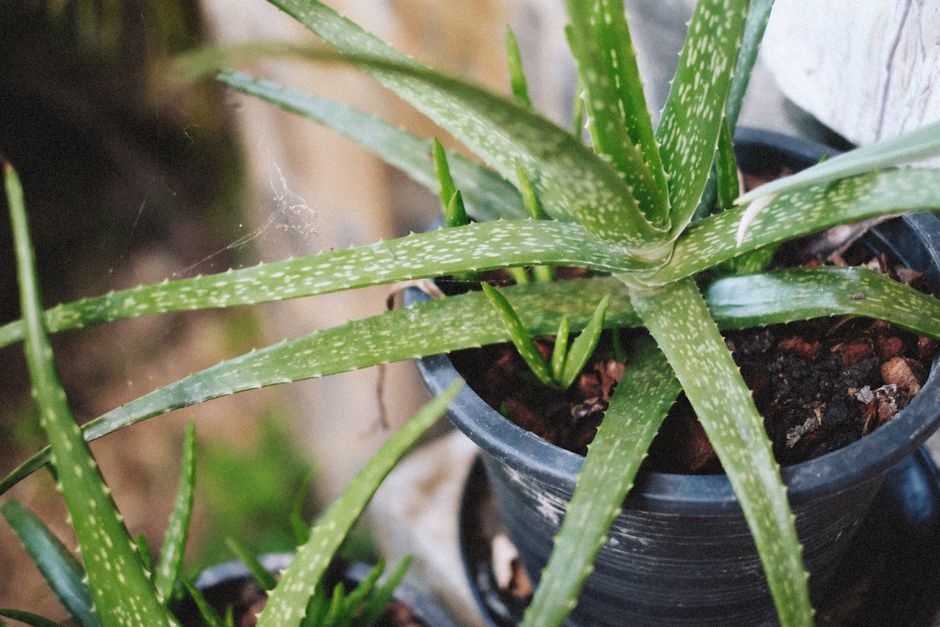
Aloe vera is one of the most popular houseplants, cherished for its low maintenance and medicinal applications. Many people keep aloe on their kitchen windowsill specifically because they can break off a leaf and apply the gel to a burn or scrape. But while aloe vera is safe for human use, it's toxic to dogs, cats, and other pets. The helpful plant you're using for your own injuries could cause serious problems for your animal companion.
If you have pets and aloe vera plants in your home, understanding the specific risks allows you to make informed decisions about whether to keep the plant and how to manage it safely.
What Makes Aloe Vera Toxic to Pets
The toxicity in aloe vera comes from latex—a yellow-brown compound found just under the plant's outer layer. The clear gel inside the leaves (the part humans use medicinally) is safe, but the latex is highly toxic to pets and causes gastrointestinal distress and electrolyte imbalances.
The problem: When a curious pet chews on or ingests an aloe vera leaf, they're likely to ingest both the latex and some gel. Even pets that just nibble on leaves rather than consuming large quantities can experience symptoms.
Cats are at particular risk because they'll sometimes chew on plants out of curiosity or boredom, and they're sensitive to many botanical toxins. Dogs that like to investigate every plant in your home are also high-risk. Small animals like rabbits and guinea pigs can be seriously affected even by tiny amounts.
You Might Also Enjoy
- 10 Common Houseplants That Are Toxic to Dogs and Cats
- Lily Toxicity in Cats: Why These Beautiful Flowers Can Be Deadly
- Sago Palm Toxicity: One of the Most Dangerous Plants for Dogs
- Creating a Pet-Safe Garden: Plants to Choose and Plants to Avoid
Recognizing Aloe Toxicity Symptoms
Symptoms typically appear within 6-12 hours of ingestion and include:
Gastrointestinal signs:
- Vomiting (sometimes with blood present)
- Diarrhea (often severe; sometimes bloody)
- Abdominal pain or cramping
- Loss of appetite
- Lethargy
Systemic signs:
- Electrolyte imbalances, particularly with potassium
- Tremors (in severe cases)
- Dehydration from fluid loss
In severe cases or with repeated exposure:
- Kidney damage
- Muscle weakness
- Heart arrhythmias (from electrolyte disturbances)
The severity depends on how much latex the pet consumed. A small nibble might cause mild diarrhea; a pet that consumed a substantial portion of a leaf might experience severe symptoms requiring hospitalization.
Veterinary Treatment
If your pet has ingested aloe vera:
-
Contact your veterinarian or emergency clinic. Severe cases need aggressive treatment.
-
Have information ready:
- Estimated amount of aloe consumed
- When ingestion occurred
- Your pet's weight
- Any symptoms observed
-
Expect supportive care:
- IV fluids to address dehydration and electrolyte imbalances
- Anti-nausea and GI protective medications
- Monitoring of electrolytes, particularly potassium
- Possible hospitalization for observation and treatment
Most pets recover fully with appropriate supportive care, but severe cases can involve kidney involvement and electrolyte disturbances that require intensive monitoring.
Prevention Strategies
Option 1: Remove the plant entirely. This is the simplest and safest approach if you have pets that might access it. Aloe vera is easy to propagate and replant, so if someone in your household loves having an aloe plant, they can maintain one in a room your pet never enters, or replace it when the pet is away.
Option 2: Restrict access completely. If you want to keep your aloe vera plant:
- Place it on a high shelf your pet cannot reach
- Keep it in a room with a closed door your pet doesn't enter
- Ensure it's not on furniture where jumping pets can reach it
- Supervise any access to the area where the plant is located
Option 3: Replace with pet-safe alternatives. If you want a low-maintenance succulent that's safe for pets, consider:
- Echeveria (flowering stonecrop)
- Haworthia
- Christmas cactus (safe for pets; non-toxic)
- Spider plants
- Boston ferns (non-toxic)
Can Pets Recover From Aloe Toxicity?
Most pets recover completely from aloe ingestion with appropriate veterinary care. The gastrointestinal tract is resilient, and with fluid support and medications, the inflammation and irritation typically resolve within a few days.
However, severe or repeated exposure can cause lasting kidney damage. Prevention is far superior to treatment, which is why removing the plant or completely restricting access is the best approach.
Special Considerations for Different Pets
Dogs: Curious dogs might investigate and chew on aloe plants, particularly if they're at nose level. Supervise areas where aloe is present and use barriers if necessary.
Cats: Cats are at particular risk because they may chew plants when bored or stressed. Indoor cats especially might find a houseplant interesting as enrichment, making safe alternatives particularly important.
Small animals (rabbits, guinea pigs, rats): These pets are more sensitive to botanical toxins. Even small ingestions can cause serious symptoms. Keep aloe completely away from these animals.
Exotic pets: Always research the safety of plants for your specific pet species before bringing them into your home.
The Reality of Plant-Pet Coexistence
If you love plants and have pets, you face a genuine choice: you can keep certain plants only in areas your pet cannot access, replace them with pet-safe alternatives, or skip the plants entirely. There's no shame in choosing to skip plants in favor of full house access for your pet.
Many pet owners find that the stress of worrying about plant toxicity outweighs the enjoyment of having that particular plant. It's perfectly reasonable to make that decision.
Bottom Line
Aloe vera is toxic to pets and has no safe role in homes with animals that might access it. While aloe's medicinal benefits for humans are valuable, the plant's presence creates an injury risk for your beloved companion.
If you want to keep aloe vera, do so only in areas your pet absolutely cannot reach. Otherwise, choose from the many pet-safe succulents and plants that provide greenery without toxicity concerns.
For a comprehensive list of pet-safe and toxic plants, consult the ASPCA's plant database or PetMD's toxicity guide.
Sarah Mitchell is a pet toxicology specialist based in Portland, Oregon, helping pet owners create safe home environments.