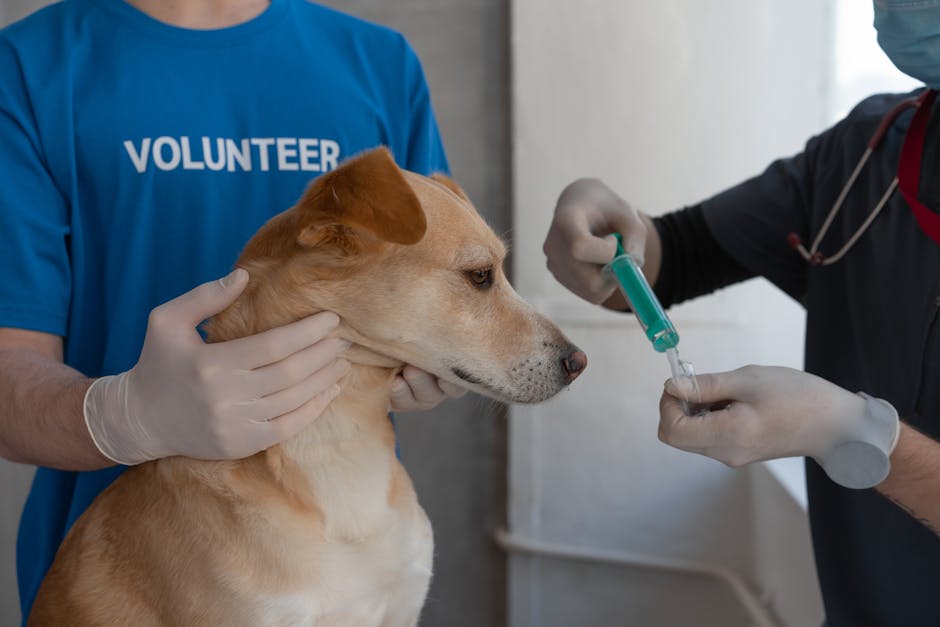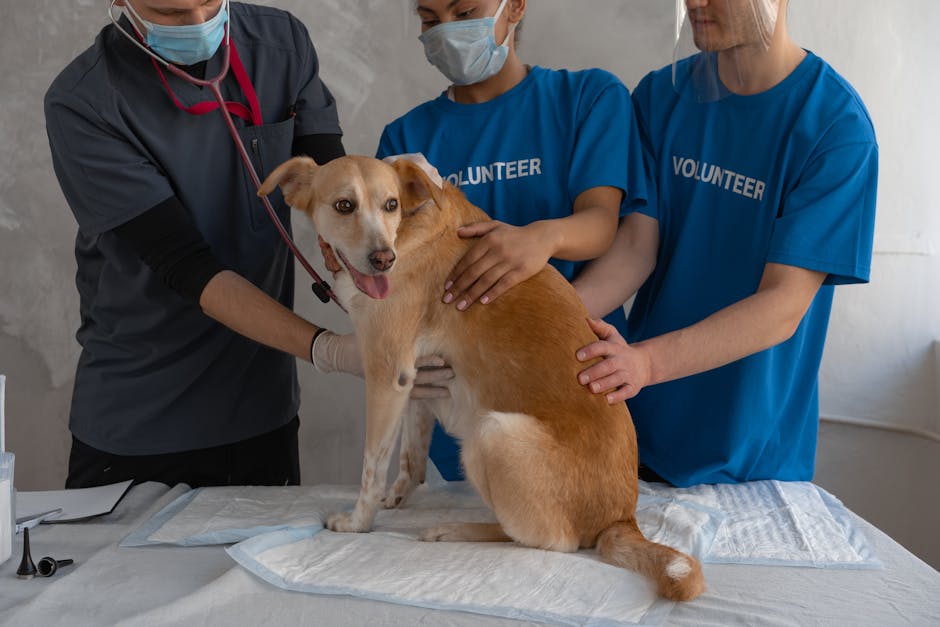
Your cat seems fine. Your dog is acting normal. Nothing appears wrong, so why schedule a veterinary wellness exam when there's nothing to address? This reasoning, while understandable, misses the core purpose of preventive care. The wellness exam isn't designed to address obvious problems—it's designed to find hidden ones before they become emergencies.
After years of watching pets whose early-stage diseases went undetected until they became serious—and seeing other pets whose conditions were caught early through routine exams and treated successfully—I've become firmly convinced that annual wellness exams are one of the most important health investments pet owners can make.
Your pet is hardwired to hide illness. Understanding this single fact makes the importance of wellness exams clear.
Why Pets Hide Illness
In the wild, animals that show weakness are targets for predators. Even though your cat or dog doesn't face predators in your home, millions of years of evolution have programmed them to hide signs of illness.
This instinct served them well in the wild—it made them less vulnerable. In your home, it creates a problem: by the time your pet shows obvious symptoms of illness, the condition is often already advanced.
Examples of this pattern:
- Kidney disease: Often asymptomatic until 75% of kidney function is lost. By the time owners notice symptoms, the disease is advanced.
- Diabetes: Many dogs show minimal signs until blood glucose becomes extremely elevated.
- Cancer: Often grows silently until a mass is palpable or symptoms appear.
- Dental disease: Can progress significantly before causing obvious pain.
- Hypertension: Causes no symptoms but damages organs silently.
Your pet won't tell you when something hurts mildly. She won't mention gradual energy loss or subtle appetite changes. She'll hide these signs until the condition is advanced.
You Might Also Enjoy
- Obesity in Pets: The Growing Health Crisis and How to Reverse It
- Pet First Aid Basics: How to Handle Emergencies Before Reaching the Vet
- Your Pet's First Vet Visit: What to Expect and How to Prepare
- How to Build a Pet First Aid Kit: Essential Supplies Every Owner Needs
What Happens During a Wellness Exam
A quality wellness exam is more thorough than most owners realize:
Physical examination:
- Listening to heart and lungs
- Palpating abdomen (feeling for lumps, swelling, pain)
- Examining eyes and ears
- Checking teeth and gums
- Assessing body condition and weight
- Checking for parasites or skin conditions
History discussion:
- Changes in behavior or activity level
- Appetite and thirst changes (even subtle ones)
- Bathroom habits
- Medication or supplement questions
- Preventive care needs
Assessment:
- Overall health status
- Identification of any concerns
- Recommendations for diagnostics if needed
Preventive care discussion:
- Vaccination status and needs
- Parasite prevention (fleas, ticks, heartworm, intestinal parasites)
- Nutritional assessment
- Exercise and enrichment appropriate for age/condition
Early Detection Examples
Let me share specific examples of conditions caught during routine wellness exams:
A seven-year-old dog presented for annual exam, acting completely normally. Physical exam revealed a heart murmur. Ultrasound identified early-stage heart disease. Medication was started immediately. The dog lived another five years with good quality of life instead of experiencing sudden cardiac crisis.
A five-year-old cat came in for wellness exam appearing healthy. Bloodwork showed elevated kidney values despite no symptoms. Dietary management was implemented. The cat's kidney disease progressed slowly over six years instead of rapidly degenerating.
A middle-aged dog had routine dental exam. Early dental disease was identified, professional cleaning was performed, and the diseased tooth was extracted before infection developed.
These are exactly the outcomes wellness exams provide—early intervention that extends life and improves outcomes.
The Age-Based Approach
Wellness exam frequency should increase with age:
Young adults (1-6 years): Annual exams sufficient for healthy pets. More frequent if ongoing health conditions exist.
Mature adults (7+ years): Many veterinarians recommend twice-yearly exams for pets over 7 since age-related conditions accelerate. Early disease is more common.
Senior pets (10+ years): Twice-yearly or more frequent exams, potentially with senior bloodwork panels annually.
The idea is that as pets age, conditions develop more frequently. More frequent monitoring catches them earlier.
Bloodwork and Diagnostics
Quality wellness exams for adult or senior pets often include bloodwork:
Annual or biennial bloodwork (depending on age) provides:
- Complete blood count (CBC): Checking for anemia, infection, other red/white blood cell issues
- Blood chemistry panel: Assessing kidney function, liver function, glucose, electrolytes
- Thyroid testing: Important for older pets, particularly cats
- Urinalysis: Checking kidney function, infections, diabetes
This baseline information becomes invaluable:
- It establishes normal values for your individual pet
- It identifies early disease before symptoms appear
- It guides treatment decisions if problems later develop
Bloodwork costs $150-400 but catches expensive, serious conditions early.
Weight Management
Wellness exams provide accountability for weight management. Many owners don't recognize their pets are overweight until a vet points it out.
Obesity affects approximately 40% of indoor cats and 30% of dogs. It's linked to:
- Diabetes
- Joint disease
- Heart disease
- Reduced lifespan
A vet who monitors weight through annual exams can intervene early with dietary recommendations before obesity becomes severe.
Vaccination and Parasite Prevention
Wellness exams ensure vaccinations and parasite prevention are current:
Dogs: Annual rabies boosters (depending on vaccine), leptospirosis, distemper, DHPP as appropriate. Heartworm prevention year-round. Flea, tick prevention.
Cats: Rabies booster, FVRCP as appropriate. Feline leukemia considerations. Parasite prevention.
These aren't optional—they prevent serious, sometimes fatal diseases. Wellness exams ensure they're not overlooked.
Dental Assessment
Dental disease is extremely common and often painful. Many pets suffer in silence.
Wellness exams include oral assessment. Professional dental cleaning and extractions prevent infection, pain, and systemic disease.
Dental disease is linked to systemic infections—bacteria from infected teeth can seed the heart, kidneys, and brain. Preventive dental care is health care, not cosmetics.
Cost-Benefit Analysis
The wellness exam cost ($100-300) might seem expensive as a routine expense. Consider the alternative:
Emergency treatment costs:
- Emergency visit: $500-1500
- Diagnostics: $500-3000
- Treatment for advanced disease: $2000-10,000+
- Possible euthanasia: Priceless in emotional cost
A single emergency stemming from undetected disease costs 5-50 times more than preventive care.
Additionally, early detection of conditions like heart disease, kidney disease, or cancer allows management that extends life. The additional years of quality time with your pet is worth far more than the exam cost.
The Role of Home Monitoring
Wellness exams are part of a larger picture that includes home monitoring:
Between exams, notice:
- Changes in appetite or thirst
- Changes in energy level
- Changes in behavior or mood
- Bathroom habit changes
- Mobility or activity changes
- Appearance changes (weight, coat, eyes)
Bring these observations to wellness exams. They guide diagnostic decisions and treatment planning.
Senior Pet Considerations
For senior pets, wellness exams become increasingly important:
Two-yearly exams allow:
- Early detection of age-related conditions (kidney disease, heart disease, arthritis, cognitive decline)
- Adjustment of medications or dietary interventions
- Assessment of quality of life
- Honest conversations about what treatment makes sense for your individual pet
Senior pets often develop multiple conditions simultaneously. Regular monitoring helps manage this complexity.
Building Relationships with Your Vet
Wellness exams create continuity of care. Your vet knows your pet's baseline, understands their individual quirks, and has established a relationship.
This relationship is valuable when problems do arise—your vet knows your pet's history and can make informed recommendations rather than treating a stranger.
Making It Happen
The barrier to wellness exams is often simply remembering to schedule:
- Mark your calendar annually for wellness exams
- Request appointment reminders from your vet's office
- Use phone reminders or calendar notifications
- Make wellness exams a routine part of pet care, not optional
The commitment is minimal—one appointment yearly (or twice yearly for senior pets). The return on investment is enormous.
When to Schedule
Young/healthy adult pets: Annual exam, typically scheduled when vaccines are due or at the same time yearly
Senior/older pets: Twice yearly, perhaps scheduled six months apart
Pets with health conditions: As recommended by your vet, often more frequently
The Bottom Line
Your pet can't tell you when something's wrong. Subtle, early-stage disease is invisible to owners. Wellness exams are your tool for detecting these hidden conditions before they become serious.
The investment in annual wellness exams—potentially life-extending, always valuable—is one of the best health decisions you can make for your pet.
Schedule your pet's wellness exam today. Early detection could quite literally extend your pet's lifespan and quality of life.
Sarah Mitchell is a pet care specialist based in Portland, Oregon, with expertise in preventive pet health care and chronic disease management.