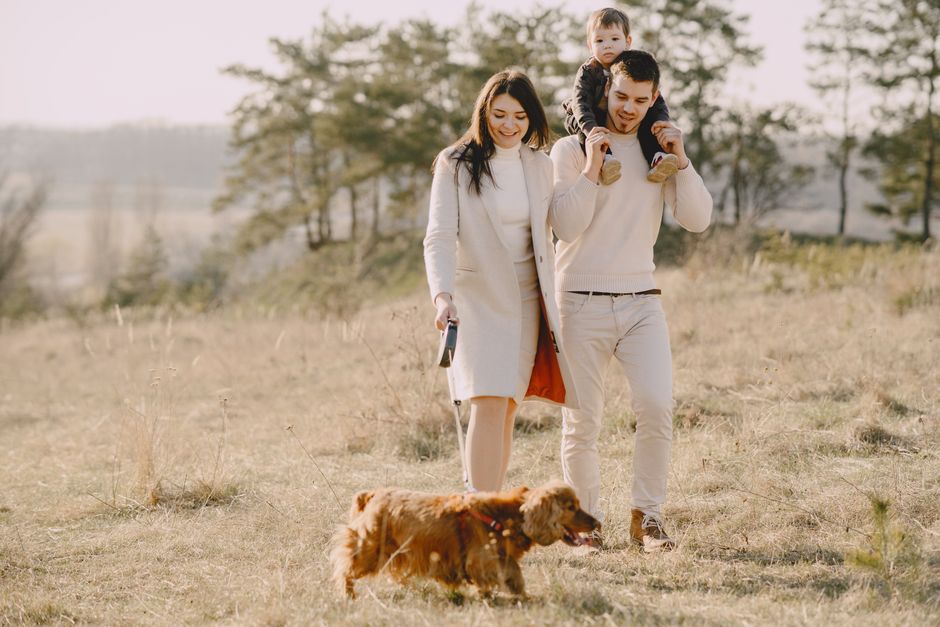
The decision to bring a dog into a household with young children is one of the most rewarding—and one of the most consequential—choices a parent can make. The right dog becomes a beloved family member and teaches your children about responsibility, empathy, and unconditional love. The wrong match, however, can create stress, safety concerns, and heartbreak for everyone involved.
I've worked with dozens of families navigating this decision, and the most common mistake is choosing based on appearance rather than temperament. A dog that looks cuddly might have a high prey drive, low patience threshold, or anxiety around children. Conversely, a breed that seems intimidating might be genuinely exceptional with kids.
What Makes a Family-Friendly Breed?
Before we discuss specific breeds, let's establish what actually matters when evaluating dogs for families with young children:
Tolerance for unpredictability: Kids are chaotic. They pull ears, poke eyes, fall on dogs, and scream without warning. Family dogs need to tolerate these disruptions without snapping or aggression.
Energy level appropriateness: A high-energy breed in a calm household—or vice versa—creates ongoing frustration. Your lifestyle matters as much as the breed's nature.
Size considerations: Larger dogs can accidentally knock children over during play. Smaller dogs can be injured by rough handling. Medium-sized breeds often strike the best balance, though individual temperament matters more than size.
Sociability: These dogs should genuinely enjoy human companionship, not merely tolerate it. They should seek interaction rather than preferring solitude.
Low bite inhibition incidents: The American Kennel Club reports that breeds with strong socialization histories and low recorded bite incidents are generally safer choices for families.
You Might Also Enjoy
- Adopting a Rescue Pet: What First-Time Owners Should Expect
- Allergy Shots for Pets: How Immunotherapy Can Help Your Dog or Cat
- The Best Foods for Senior Dogs: Nutrition After Age Seven
- The Best Puzzle Toys for Dogs Who Get Bored Easily
Golden Retrievers: The Quintessential Family Dog
It's cliché for a reason. Golden Retrievers consistently rank as the top family dog, and they earn this status through genuine temperament qualities rather than marketing.
Goldens are medium to large (55-75 pounds) with seemingly endless patience for children's antics. They were originally bred as hunting dogs, which means they have "soft mouths" and natural inhibition about biting—they were designed to carry birds without damaging them. This translates to remarkable gentleness.
Their intelligence makes them highly trainable, and their social nature means they actually want to be around you. Goldens need moderate to high exercise—30-45 minutes daily—which is excellent motivation for families to get outside together.
The tradeoffs: They shed extensively, require regular grooming, and can develop hip dysplasia. Responsible breeders screen for this condition using OFA (Orthopedic Foundation for Animals) certification. Ensure any breeder provides health clearances.
Labrador Retrievers: Sturdy and Enthusiastic
Labs are similar to Goldens but with slightly different energy profiles. They're more outwardly enthusiastic, often maintaining puppy-like energy into adulthood (which can be exhausting or wonderful depending on your perspective).
Labs excel with active families and are excellent swimmers, making them ideal if you have water-based recreation in your lifestyle. Their short coat is easier to maintain than the Golden's.
Labs also have the same soft-mouth breeding, making them naturally gentle with small children. They're food-motivated, which aids training, though this also means careful management of food around children is necessary.
Weight typically ranges from 55-80 pounds. The same hip dysplasia concerns apply—seek OFA-certified breeders.
Beagles: Compact and Sturdy
If your family prefers a smaller dog, Beagles are exceptional choices. Weighing 20-30 pounds, they're sturdy enough to handle energetic children without fragility concerns.
Beagles were bred for hunting in packs, which shaped their temperament into genuinely social animals. They love human companionship and pack mentality. They're naturally curious rather than aggressive, and their short coat requires minimal grooming.
Challenges: Beagles have significant prey drive (they'll chase small pets) and can be stubborn during training. They require consistent boundaries and clear leadership. They also howl—something to consider in noise-sensitive situations.
Boxers: Gentle Giants with Personality
Boxers occupy an interesting position: they're muscular and athletic (60-70 pounds), which intimidates many people, yet they're genuinely gentle and patient with children.
This breed is playful—sometimes annoyingly so—and maintains a puppy-like enthusiasm throughout their lives. They're natural clowns who can handle the rough-and-tumble play that kids enjoy. Their short coat requires minimal grooming.
The critical element: proper socialization. Boxers are protective and can become dog-aggressive if not properly socialized early. With solid training and socialization, however, they're exceptional family members.
Boxers can experience heart conditions (dilated cardiomyopathy), so health screening is important. Reputable breeders provide cardiac evaluations.
Collies: Intelligent and Protective
Made famous by Lassie, Collies are genuinely intelligent, trainable, and protective without being aggressive. They're medium to large (50-75 pounds) and have moderate exercise needs.
Collies' intelligence means they need mental stimulation, not just physical exercise. Interactive toys and training games are as important as walks. Their protective instinct makes them naturally alert to their children's safety without aggression toward guests.
The long-coated variety sheds extensively and requires regular grooming. Rough Collies and Smooth Collies have identical temperaments; the difference is coat maintenance.
Health considerations: Collies can inherit Collie Eye Anomaly (CEA). Responsible breeders perform eye screening through the Canine Eye Registration Foundation (CERF).
Mixed Breeds and Shelter Dogs
Some of the best family dogs come from shelters. Mixed breeds often have hybrid vigor—better health than some purebreds—and shelter staff can assess individual temperaments.
When adopting from a shelter, focus on:
- Individual personality assessment over breed guessing
- Dogs with documented history around children
- Dogs showing calm, confident demeanor rather than fearful or aggressive behavior
- Introducing any potential dog to your children in a controlled setting before adoption
Breeds to Approach with Caution
Certain breeds require experienced dog owners and careful evaluation for families:
Dalmatians: Despite their friendly appearance, Dalmatians can be hyperactive and have lower patience thresholds. They need experienced owners and significant exercise.
Akitas and Chow Chows: These breeds are protective and can be dog-aggressive. They require extremely experienced owners and careful socialization.
Pit Bulls and similar "bully" breeds: The stigma often exceeds the reality, but breed-specific legislation in some areas complicates ownership. Individual temperament varies widely. Never adopt one for a family without extensive vetting of individual dog's history.
Huskies and Malamutes: High prey drive and escape-artist tendencies make them challenging with small children and other pets.
For comprehensive breed information, the American Kennel Club provides detailed temperament profiles for recognized breeds.
The Role of Socialization and Training
No breed is automatically perfect with children. Even naturally gentle breeds need proper socialization and training. A Golden Retriever without training can jump on children and knock them over, causing injury.
Quality training should include:
- Exposure to children of various ages and behavior styles during puppyhood (8-16 weeks is critical)
- Explicit training on appropriate interaction (gentle mouth, no jumping, respecting boundaries)
- Teaching children how to interact safely with dogs
Health Screening Matters
Responsible breeders—whether you're getting a purebred or a shelter dog—should provide health clearances. The Orthopedic Foundation for Animals (OFA) maintains databases of screened dogs. Check health status before committing to any dog.
Shelter dogs should be vaccinated, microchipped, and ideally spayed/neutered before adoption.
Making the Decision
The perfect family dog combines:
- Natural patience and gentleness
- Energy level matching your lifestyle
- Size appropriate for your children and household
- Health screening from responsible sources
- Individual temperament assessment, not just breed assumptions
Consider a trial period if possible. Some rescues offer foster-to-adopt programs. Meeting your potential dog in various situations before final commitment reduces the risk of incompatibility.
The dog you choose will shape your children's childhood, teaching them about responsibility, empathy, and unconditional love. Taking time to choose wisely is one of the most important decisions you'll make for your family.
Sarah Mitchell is a pet care specialist based in Portland, Oregon, with experience helping families choose appropriate dog breeds and working with dogs in households with children.