A bored dog is a destructive dog. That's not an exaggeration—it's a documented behavioral pattern that veterinary behaviorists see repeatedly in their practices. When dogs lack mental stimulation, they're significantly more likely to engage in destructive behaviors: chewing furniture, digging holes, eating inappropriate items, and developing anxiety-related problems.
The good news? Mental enrichment through puzzle toys is one of the most effective, relatively simple ways to address boredom and destructive behavior. Yet many dog owners focus exclusively on physical exercise while neglecting mental stimulation. If you have a dog that's bored, destructive, or just not settling down despite regular walks, puzzle toys might be exactly what you need.
Why Dogs Need Mental Stimulation
Domesticated dogs still retain the problem-solving instincts of their wolf ancestors. In the wild, dogs spend significant portions of their day searching for food, solving problems, and navigating environmental challenges. A modern house-bound dog, by contrast, often has little opportunity to engage those instincts.
The Result of Inadequate Mental Stimulation:
- Destructive chewing and digging
- Excessive barking
- Anxiety and stress-related behaviors
- Pacing and restlessness
- Attempting to "find" things to do (often destructively)
- Aggression or reactivity
- Escape attempts
- Obsessive behaviors
Research from animal behavior specialists shows that dogs receiving adequate mental stimulation have:
- Better behavior overall
- Lower stress hormone levels
- Improved trainability
- Better sleep patterns
- Reduced anxiety and aggression
Mental stimulation is not a luxury—it's a necessity for canine psychological well-being.
The Difference Between Physical Exercise and Mental Exercise
Here's where many dog owners get confused: a tired dog is not necessarily a mentally satisfied dog. You can exercise a dog's body extensively and still leave their mind under-stimulated.
Physical exercise burns energy and reduces restlessness but doesn't engage problem-solving abilities. A dog can walk five miles and still be mentally bored.
Mental exercise engages the dog's brain, problem-solving abilities, and natural instincts. A 20-minute puzzle toy session can be more mentally tiring than an hour walk.
Ideal scenario: Combine physical exercise with mental stimulation. A dog that gets both regular walks AND puzzle toy engagement will be a well-balanced, satisfied pet.
Types of Puzzle Toys and How They Work
Food-Dispensing Puzzles These toys hide treats or kibble, requiring the dog to manipulate the toy to release food. Examples include the Kong Wobbler, IQ Treat Ball, and Nina Ottosson puzzles. Dogs must roll, shake, push, or maneuver the toy to receive rewards.
Benefits: Combines feeding with mental work, slows eating (beneficial for dogs that eat too quickly), encourages repeated play for the food reward.
Best For: Food-motivated dogs, dogs that need to slow their eating pace.
Sniff and Search Toys Toys with hidden pockets or compartments encourage dogs to use their natural scavenging instincts. Examples include sniff mats, scatter toys, and nosework games.
Benefits: Engages the dog's powerful sense of smell, provides calm, focused mental activity, mimics natural foraging behavior.
Best For: All dogs, particularly those that become anxious with faster-paced mental games.
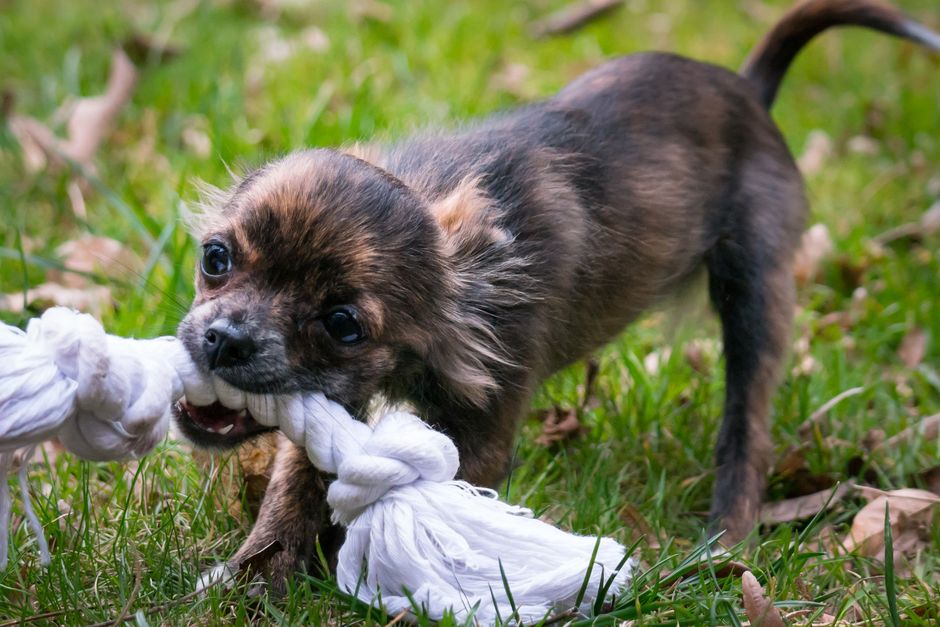
Interactive Toys Toys designed for interaction between dog and owner. Tug toys, rope toys, and games like flirt poles engage the dog's play drive while you participate.
Benefits: Strengthens bond between dog and owner, allows you to control difficulty level, provides interactive engagement.
Best For: Social dogs that enjoy bonding activities, good for training opportunities.
Puzzle Boards Flat boards with sliding pieces covering treats or kibble. Dogs must move pieces around to uncover the food. Examples include various commercial puzzle boards with different difficulty levels.
Benefits: Highly engaging mental work, clear problem-solving required, adjustable difficulty.
Best For: Intelligent dogs, dogs that enjoy tactile manipulation, dogs at intermediate to advanced puzzle-solving skill levels.
DIY Puzzle Options Homemade puzzle toys are incredibly effective and inexpensive. Muffin tins with kibble covered by tennis balls, towel rolls with treats wrapped inside, or cardboard boxes filled with shredded paper hiding treats all provide excellent mental engagement.
Benefits: Customizable, inexpensive, uses items you likely have at home.
Best For: Budget-conscious owners, dogs that destroy commercial toys, beginners learning what type of puzzles their dog enjoys.
Recommended Puzzle Toys by Difficulty Level
For Beginners (Simple Toys)
- Kong Wobbler - roll-to-dispense design, easy for dogs to figure out
- IQ Treat Ball - adjustable difficulty, good starting point
- Sniff Mat - hide treats in fabric, very low-pressure engagement
For Intermediate Dogs
- Nina Ottosson Level 1 or 2 Puzzles - classic puzzle boards with various difficulty levels
- StarMark Puzzle Toy - robust design with adjustable openings
- Outward Hound Hide & Slide Puzzle - sliding pieces hide treats, moderate difficulty
For Advanced Dogs
- Nina Ottosson Level 3 Puzzles - complex multi-step puzzles requiring sustained problem-solving
- Puzzle Feeder Bowls - require manipulation to access all food
- Multiple Puzzle Toys Combined - rotating various challenging puzzles to prevent habituation
For Destructive or Super Intelligent Dogs
- Nylabones or Bully Sticks (edible puzzles) - given under supervision, these occupy dogs for extended periods
- Snuffle Boxes - hide multiple treats throughout a box requiring sustained searching
- Food Dispensing Toys Filled with Frozen Treats - extend play time and engagement
Tips for Maximum Effectiveness
Rotate Toys Dogs habituate to toys. Keeping 4-5 puzzles in rotation and presenting a different one each day maintains novelty and sustained interest.
Supervise Initially When introducing a new puzzle toy, supervise to ensure the dog doesn't try to destroy it or accidentally consume plastic pieces. Some dogs aren't respectful of toy integrity.
Start Easy If your dog has never used puzzle toys, start with something simple like a sniff mat or basic treat ball. Frustration can discourage engagement.
Build Progressively Once your dog masters a puzzle, introduce slightly more challenging options. Progressive difficulty keeps mental engagement high.
Use Real Meals Rather than always using treats, use your dog's regular kibble in puzzle toys. This cuts calories while providing engagement—the food the dog eats anyway becomes part of playtime.
Create Routine Use puzzle toys as part of your daily routine. A 20-minute puzzle session while you shower or work provides consistent mental engagement.
Combine with Training Puzzle toys can be part of training sessions. Teaching your dog specific techniques to solve puzzles combines mental work with bonding.
Prevent Boredom with Difficulty Progression As your dog becomes skilled at puzzles, prevent habituation by introducing new types or higher difficulty levels.
The Cost-Benefit Analysis
Quality puzzle toys range from $15-$50, with some premium options higher. Compare this to:
- Repairing or replacing furniture destroyed by a bored dog
- Behavioral training needed to address destructive behavior
- Stress-related health issues from inadequate enrichment
The cost of puzzle toys is minimal compared to the cost of addressing problems caused by chronic boredom.
Special Considerations
For Senior Dogs Don't assume older dogs don't need mental stimulation. Cognitive enrichment is actually beneficial for aging dog brains. Choose puzzles that don't require intense physical manipulation, and include sniff-based toys that provide calm engagement.
For Dogs with Food Sensitivities Use the dog's regular kibble or specially approved treats rather than high-fat puzzle toy rewards.
For Destructive Dogs If your dog destroys toys, avoid puzzle toys with small parts that could be swallowed. Supervise and choose extremely durable options. Work with a behaviorist on the underlying destructive behavior while implementing puzzles as part of overall enrichment strategy.
For Anxious Dogs Sniff-based puzzles and slower-paced mental activities may be better than timed or competitive puzzles. The calming effect of scent work can actually reduce anxiety.
You Might Also Enjoy
- Enrichment Toys for Senior Dogs: Keeping Older Minds Sharp
- Are Squeaky Toys Safe for Dogs? What Every Owner Should Know
- Toy Safety for Puppies: What's Safe and What to Avoid
- The Best Chew Toys for Aggressive Chewers
Sources:
- American College of Veterinary Behaviorists. (2023). "Environmental Enrichment for Dogs." Retrieved from dacvb.org
- International Association of Canine Professionals. "Cognitive Enrichment and Mental Stimulation for Dogs."
- PetMD. "The Importance of Mental Stimulation for Dogs." Retrieved from petmd.com