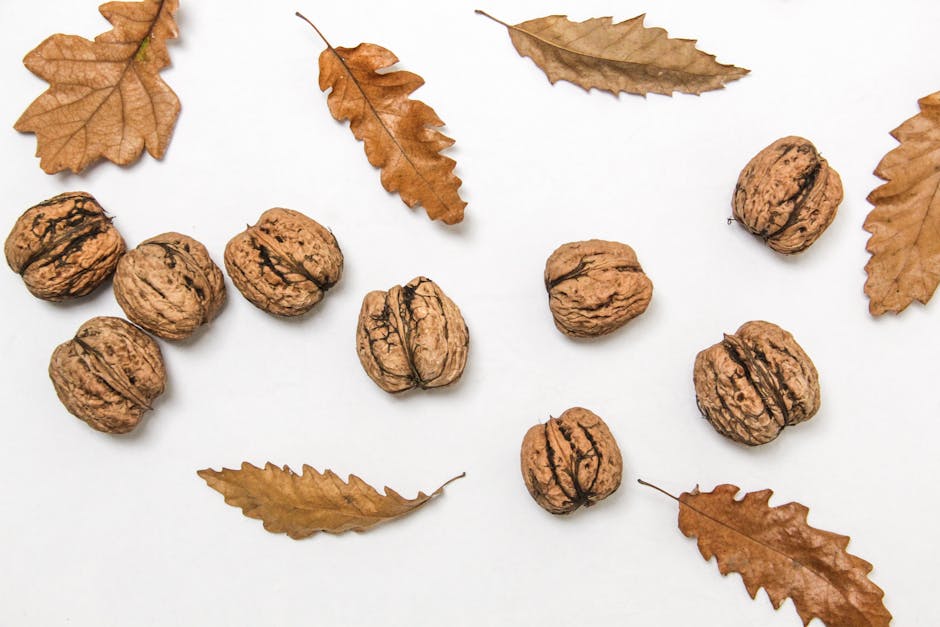
If you have a black walnut tree in your yard or live near one, you need to know about its toxicity to dogs. Black walnut toxicity isn't as widely recognized as chocolate toxicity, but it's a real veterinary concern that causes genuine illness in dogs every fall when the nuts drop.
The toxin is found primarily in black walnut nuts, particularly the hulls (the outer covering that falls to the ground in autumn). When dogs ingest the hulls or nuts, they can develop toxic reactions ranging from mild gastrointestinal upset to severe neurological symptoms.
The Toxic Compound
Black walnuts contain a compound called juglone, which is toxic to dogs (and some other species). Juglone concentration is highest in the hulls and shells but can also be found in the nut meat itself. The hulls are particularly problematic because they're readily accessible on the ground, resembling somewhat uninteresting objects that dogs might investigate, chew, or consume out of curiosity.
The toxic dose varies, but research suggests that ingestion of significant quantities of hulls or nuts can cause clinically significant toxicity. Interestingly, dogs seem more susceptible to black walnut toxicity than cats, though cats can also be affected.
Geographic Considerations
Black walnut trees (Juglans nigra) are native to eastern North America but are planted ornamentally throughout the country. They're particularly common in:
- Eastern United States
- Midwest
- Parts of the South
- Some western locations where they're cultivated
If you live in regions where black walnuts naturally grow or where they're planted as shade trees, you're at higher risk of having black walnut toxicity exposure with your dog.
What Makes Black Walnuts Particularly Dangerous
Easy Access Unlike some other toxic plants that dogs would need to intentionally consume, black walnut hulls fall to the ground and create an obvious hazard in yards with these trees. Dogs exploring their yards naturally encounter them.
Attractive to Dogs The dark, somewhat aromatic hulls seem to attract dog interest. Dogs may chew them, consume pieces, or swallow whole hulls, particularly young dogs that explore everything with their mouths.
Compound Toxicity Issues Additionally, black walnuts can develop mold growth (particularly aflatoxins) if they're stored improperly or left on the ground. Some dogs that consume black walnuts may be exposed to both juglone toxicity and mycotoxins from mold, compounding the health effects.
Symptoms of Black Walnut Toxicity
Black walnut toxicity in dogs can cause a range of symptoms, typically appearing within 30 minutes to a few hours after ingestion:
Gastrointestinal Symptoms
- Vomiting
- Diarrhea (sometimes bloody)
- Abdominal pain or discomfort
- Decreased appetite
- Excessive drooling
- Constipation (sometimes, after diarrheal phase)
Neurological Symptoms In more severe cases, particularly with large ingestions, dogs may show:
- Tremors
- Weakness or lethargy
- Difficulty walking or incoordination (ataxia)
- Seizures (in severe cases)
- Disorientation or behavioral changes
- Depression or decreased alertness
Dermatological Symptoms
- Skin irritation or dermatitis in areas that contacted the walnut material
- Allergic-type reactions (less common)
Systemic Symptoms
- Fever
- Lethargy
- Dehydration
- Stiffness or pain (particularly in limbs)
Severity Factors The severity of symptoms depends on:
- Amount ingested
- Size of the dog (smaller dogs more severely affected by same amount)
- Whether the material was hulls or nut meat (hulls more concentrated in toxin)
- Whether mold toxins are also present
- Time elapsed since ingestion
Timeline of Toxicity
First 30 minutes to 2 hours (acute onset phase) Initial gastrointestinal symptoms appear—vomiting and diarrhea often begin relatively quickly after ingestion.
2-6 hours Gastrointestinal symptoms may persist or worsen. Neurological symptoms may begin appearing in cases of larger ingestion.
6-24 hours Peak symptom severity typically occurs. Dogs may show significant lethargy, weakness, or neurological signs.
24-72 hours With supportive care, many dogs begin improving. Symptoms gradually resolve over days to a week.
Recovery Most dogs recover completely with appropriate veterinary care, though recovery time depends on severity of initial toxicity.
Diagnosis and Veterinary Evaluation
If you suspect your dog has ingested black walnuts, inform your veterinarian specifically about the black walnut exposure. Diagnosis is primarily clinical based on:
- History of black walnut exposure
- Symptoms consistent with toxicity
- Physical examination findings
- Laboratory work to assess organ function
There's no specific test for black walnut toxicity, so diagnosis relies on clinical presentation and exposure history. Blood work may be performed to assess organ function, particularly if neurological symptoms are present.
Treatment
There's no specific antidote for black walnut toxicity. Treatment is primarily supportive:
Gastrointestinal Decontamination If the dog is seen very soon after ingestion (within 2 hours), your vet might induce vomiting or perform gastric lavage to remove material from the stomach. Activated charcoal is generally not effective for black walnut toxins.
Supportive Care
- IV fluids to maintain hydration and support organ function
- Anti-vomiting medications to manage nausea
- Gastrointestinal protectants
- Pain management if needed
Monitoring Close observation for worsening neurological signs. Dogs with significant neurological symptoms may require hospitalization for monitoring and intervention.
Time Most dogs recover as the toxin is metabolized and eliminated from the body. Complete recovery typically takes days to a week.
Prevention: The Best Approach
Prevention is absolutely the best strategy for black walnut toxicity:
Tree Removal If you have a black walnut tree in your yard and have dogs, the most effective solution is removal. This eliminates the ongoing annual hazard. Hire a professional arborist—these are large trees requiring proper removal.
Restrict Access If tree removal isn't possible, restrict your dog's access to areas where nuts and hulls accumulate. This might mean:
- Fencing off the area under the tree
- Preventing unsupervised access to the yard during walnut season
- Keeping dogs indoors during peak nut-drop season
Regular Cleanup Aggressively collect and remove all black walnut hulls and nuts from accessible areas. This is labor-intensive but necessary if you're not removing the tree. Do this daily during walnut season to prevent accumulation.
Neighbor Awareness If a neighbor has a black walnut tree and your dog has access to their yard or shared areas, educate them about the toxicity and request that they manage the nuts in shared spaces.
Supervision During walnut season, never leave your dog unattended in areas where black walnuts might be present.
Special Considerations
Multiple Dogs If multiple dogs have yard access, all are at risk. One dog showing symptoms might mean others have also been exposed.
Puppies and Young Dogs Young dogs are particularly at risk because they're more likely to investigate and mouth unfamiliar objects.
Dogs with History of Pica Dogs that habitually eat non-food items are at higher risk and require even more vigilant prevention.
Prognosis
The prognosis for dogs with black walnut toxicity depends on the amount ingested and severity of symptoms. Most dogs recover completely with appropriate care, though neurological cases can occasionally have more prolonged recovery. Deaths from black walnut toxicity are rare but can occur with very large ingestions or if the dog also has significant mold toxin exposure.
The best outcome comes from preventing exposure entirely rather than managing toxicity after it occurs.
You Might Also Enjoy
- Cherry Trees and Dogs: Seeds, Bark, and Leaves All Pose Risks
- Chinaberry Trees: A Beautiful Backyard Tree That's Toxic to All Pets
- Horse Chestnut vs. Sweet Chestnut: Which Is Dangerous for Dogs?
- Mulberry Trees and Pets: Are the Berries Safe for Dogs to Eat?
Sources:
- ASPCA Animal Poison Control Center. "Black Walnut Toxicity in Dogs." Retrieved from aspca.org
- Merck Veterinary Manual. "Black Walnut Toxicity." Retrieved from merckvetmanual.com
- PetMD. "Black Walnut Toxicity in Dogs: Symptoms and Treatment." Retrieved from petmd.com