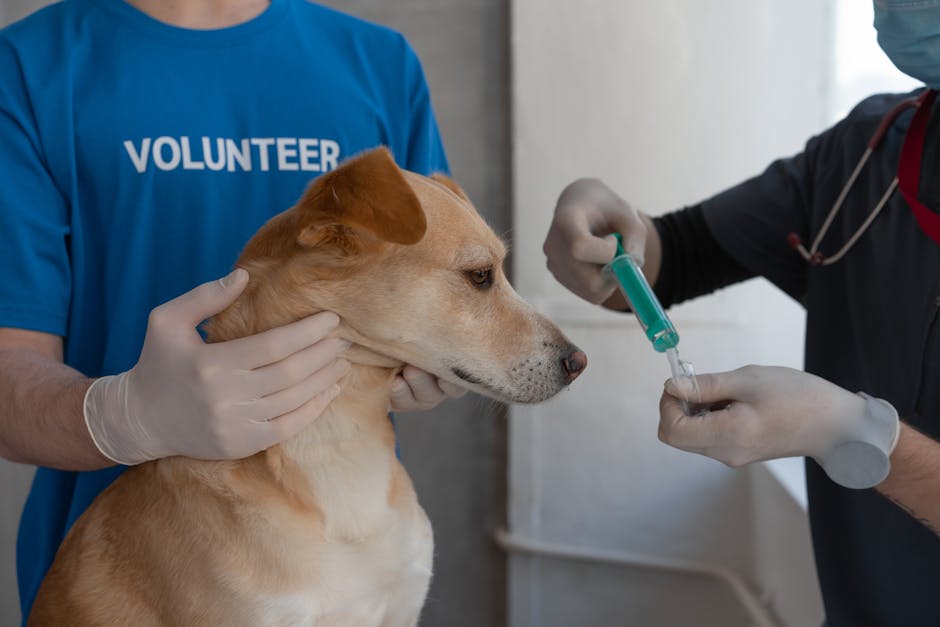
I'll never forget the afternoon Maggie was bitten by a snake in the backyard. We didn't know immediately what had happened—just that she had two small puncture marks on her leg and it was swelling rapidly. That drive to the emergency vet, knowing I should have been doing something to help but not knowing what, was terrifying.
After that incident, I assembled a comprehensive pet first aid kit. Not because snake bites are common, but because I realized I was unprepared for ANY emergency, common or rare.
A pet first aid kit is different from a human first aid kit. Your dog can't tell you where it hurts. You can't explain to them what you're doing. And some human supplies are actually toxic to pets. This guide covers what you genuinely need.
The Core First Aid Kit: What Actually Matters
Storage Recommendation: Use a waterproof container (plastic tackle box, waterproof bag, or medical supply case) that's clearly labeled and easy to access. Know where it is and make sure family members know too.
Bandaging and Wound Care
Gauze Pads (2x2 and 4x4 inches)
- Non-adherent pads for wounds
- Quantity: 20-30 pads
- Why: Absorb blood, protect wounds
Self-Adhesive Vet Wrap/Vetrap (Assorted Colors)
- Stretchy, sticky bandage that adheres to itself, not skin
- Quantity: 3-4 rolls
- Why: Secure bandages without causing skin damage
Elastic Bandages (ACE bandages)
- Quantity: 2-3 sizes
- Why: Compression for sprains, support for injured limbs
Hydrogen Peroxide (3% Solution)
- Quantity: One 16oz bottle
- Uses: Wound cleaning (though debate exists about effectiveness), inducing vomiting under vet guidance
- Important: Check expiration date; peroxide degrades over time
Antibiotic Ointment (Neosporin or Equivalent)
- Quantity: One tube
- Uses: Minor wound protection
- Caution: Some pets will lick it off; this is mostly cosmetic after cleaning
Sterile Saline Solution
- Quantity: One bottle (8-16oz)
- Uses: Flushing wounds, rinsing eyes
- Why: Gentler than tap water for sensitive tissues
Medications and Supplements
Over-the-Counter Medications (In Original Containers):
-
Diphenhydramine (Benadryl): Antihistamine for mild allergic reactions. Dose: 1mg per pound of body weight. Keep in original container with dosage visible.
-
Hydrocortisone Cream (1%): Mild topical steroid for itching, minor skin irritation. Not for serious infections.
-
Activated Charcoal (Powder): Toxin absorption if your pet ingests poison. Only use on vet guidance—not suitable for all poisons.
-
Electrolyte Solution (like Pedialyte): For mild dehydration. Useful if your dog has vomiting/diarrhea.
Important Medications (Prescription):
- Discuss with your vet if having certain medications on hand makes sense:
- Pain medication for acute injuries
- Anti-diarrhea medication
- Anti-nausea medication
- Prescribed antibiotics (useful if regular vet isn't available)
Examination and Monitoring Tools
Thermometer (Digital, Rectal)
- Quantity: 1, labeled specifically for the pet
- Normal pet temperature: 101-102.5°F
- Why: Fever indicator for serious conditions
Otoscope or Flashlight (LED)
- Illuminates wounds, eyes, ears for examination
- Quantity: 1
- Why: Proper inspection often reveals problems you can't see otherwise
Tweezers
- Quality: Stainless steel
- Quantity: 1 pair
- Uses: Removing splinters, ticks, foreign objects
Scissors (Blunt-Ended)
- Essential for cutting Vetrap without cutting skin
- Quantity: 1 pair, kept sharp
- Why: Safety; blunt ends prevent accidental injuries
Stethoscope
- Optional but useful for listening to heart rate/respiratory sounds
- Quantity: 1 (even an inexpensive one helps)
Disposable Gloves
- Latex-free preferred (some people allergic; some pets reactive)
- Quantity: 1 box
Specialized Supplies
Muzzle
- Size: Appropriate for your dog
- Why: Even friendly dogs may bite when in pain or afraid
- Important: Never use a muzzle that prevents panting or opening the mouth (dangerous in emergencies)
Leash and Collar (Backup)
- Emergency backup if regular leash/collar damaged
- Quantity: 1 complete set
CPR Face Shield/Pocket Mask
- For pet CPR (yes, this is a skill worth learning)
- Quantity: 1
Emergency Contact Information Card
- Include: Regular vet, emergency vet, poison control (888-426-4435), your cell, backup contact
- Keep: In the first aid kit AND posted on your fridge
Recent Photo of Your Pet
- In case of emergency loss/escape
- Include identifying marks, microchip number
Wound Management Alternatives
If You Want to Skip Some Items:
- Vet Wrap can replace most bandages if you master the technique
- Sterile saline can replace hydrogen peroxide for cleaning
- Self-adhesive gauze exists if you hate regular gauze
The above covers 80% of first aid situations. Beyond this, you're moving into specialized equipment that's useful but not essential.
You Might Also Enjoy
- Why Annual Wellness Exams Matter More Than You Think
- Common Signs of Dental Disease in Dogs and Cats
- How Pet Insurance Works: A Straightforward Guide for New Pet Owners
- Obesity in Pets: The Growing Health Crisis and How to Reverse It
What NOT to Include
Never Include These (They're Dangerous for Pets):
- Ibuprofen or Naproxen (toxic to dogs—causes GI bleeding)
- Acetaminophen/Tylenol (toxic to dogs—damages liver)
- Human bandages with strong adhesive (can damage skin)
- Essential oils (many are toxic to pets)
- Anything with Xylitol (deadly to dogs)
- Aspirin (in dogs, increases bleeding risk and GI upset)
Don't Bother Including:
- Antihistamine creams with topical anesthetics (dogs lick them off)
- Complex medications without specific guidance (stick to what your vet recommends)
- Human first aid supplies (most aren't appropriate for pets)
Seasonal and Situation-Specific Additions
Depending on your lifestyle, add:
If You Hike/Camp:
- Extra gauze and Vetrap
- Tweezers (for ticks, splinters)
- Paw balm (for pad protection and injury)
- Emergency dog booties (protect injured feet)
- Longer leash for secure restraint
If You Live in Tick/Flea Country:
- Tick removal tool (specialized forceps designed for tick removal)
- Extra tweezers
- Flea comb
If You Have a Senior Dog:
- Joint support supplements (if your vet recommends)
- Extra padding for cushioning in case of fall
If You Have a High-Energy/Athletic Dog:
- Extra gauze
- Compression bandages
- Anti-inflammatory supplements (discuss with vet first)
Building Your Kit: Step-by-Step
Week 1: Core supplies
- Gather all bandaging materials
- Purchase digital thermometer
- Create emergency contact card
Week 2: Medications and tools
- Get approved medications from your vet
- Purchase examination tools
- Add tweezers and scissors
Week 3: Specialized items
- Muzzle (properly fitted)
- CPR training (optional but recommended)
- Recent photos and backup ID
Week 4: Organization and storage
- Arrange everything in your chosen container
- Label clearly
- Show family members where it is
- Schedule a yearly review to replace expired items
Maintenance: Keep It Current
Every 6 Months:
- Check expiration dates (hydrogen peroxide especially degrades)
- Verify thermometer works
- Ensure medicines haven't been used/lost
- Replace any expired or damaged items
Annually:
- Complete kit review
- Update emergency contact information
- Replace any worn supplies
- Take a pet first aid course (knowledge matters more than supplies)
When to Use Your Kit vs. Call the Vet
Use Kit For:
- Minor cuts/scrapes
- Minor swelling
- Mild limping
- Cleaning wounds
- Temporary stabilization before vet visit
- Comfort care
Go to Vet Immediately For:
- Severe bleeding (apply pressure, go to vet)
- Suspected broken bones (stabilize, go to vet)
- Serious burns
- Inability to stand/walk
- Difficulty breathing
- Loss of consciousness
- Suspected poisoning
- Extreme pain
- Any condition lasting over a few hours
The Rule: When in doubt, call your vet. They can tell you whether to use first aid or come in.
The Most Important Part: Training
A first aid kit without knowledge is just supplies. Consider:
- Taking a pet CPR and first aid course (offered by Red Cross and other organizations)
- Watching instructional videos on basic wound care
- Discussing your kit with your vet (they can guide appropriate use)
- Practicing technique before you need it (bandaging on a willing dog is good practice)
My Kit's History
That first aid kit has been used for:
- Snake bite (emergency vet visit—kit didn't help, but I was prepared)
- Minor cuts from playing (bandaged at home)
- Suspected heat exhaustion (took her to vet; cool compress in kit helped)
- Splinter in paw (tweezers saved a vet visit)
- Minor allergic reaction (Benadryl dosing from kit info)
The kit costs maybe $50-75 to assemble. It's sat mostly unused for years. But having it meant I was prepared when that snake bite happened, and I could focus on getting Maggie to the emergency vet instead of panicking about what to do first.
Resources