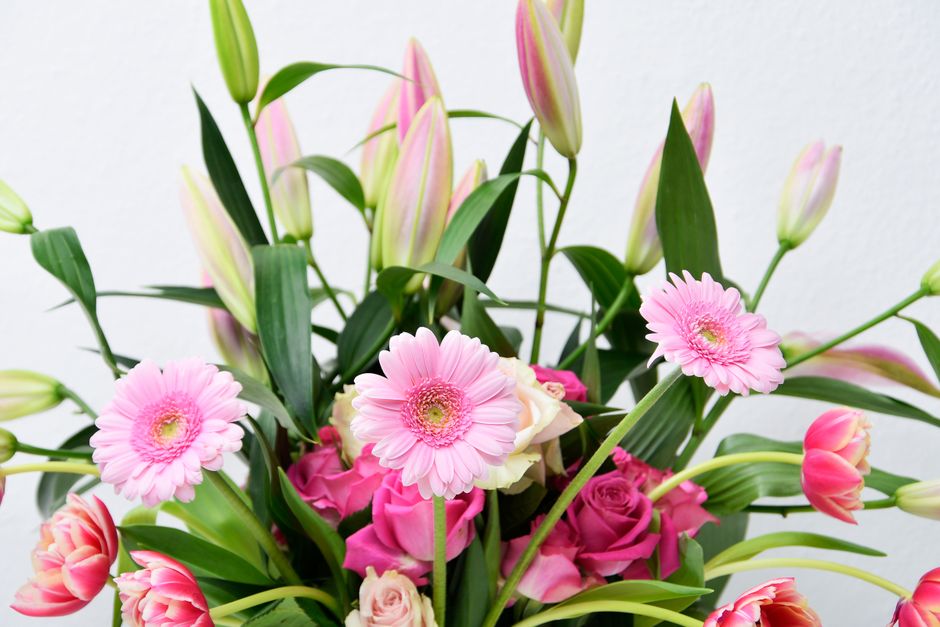
The houseplant renaissance has been great for interior decorating but challenging for pet owners. Many of the trendy plants filling Instagram-worthy shelves are toxic to dogs and cats. Lilies, sago palms, oleander, and dozens of other common plants pose serious health risks to pets that nibble or chew on them.
Understanding which common houseplants are toxic helps you make informed decisions about what plants you bring into your home and how to safely keep them away from curious pets.
The Most Dangerous Houseplants
Sago Palm (Cycad) Severity: Extreme toxicity. Even small ingestion can cause fatal liver failure. The sago palm is one of the most toxic plants for dogs and cats. All parts are poisonous, with the seeds being most concentrated in toxins. Ingestion of just a few seeds can cause vomiting, diarrhea, lethargy, and potentially fatal liver failure within days. Action: Do not keep this plant in homes with pets.
Lilies (Particularly True Lilies) Severity: Extreme toxicity for cats. All parts are dangerous, including pollen. Lilies are absolutely among the most dangerous plants for cats specifically. Even minor ingestion (2-3 leaves or petals) can cause acute kidney failure in cats. Dogs are less susceptible but should still avoid exposure. Action: Do not bring lilies into homes with cats. This includes Easter lilies, Asiatic lilies, Oriental lilies, and many bouquet arrangements.
Dieffenbachia Severity: Moderate to severe toxicity Also called "dumb cane," this popular houseplant contains calcium oxalate crystals that cause mouth pain, drooling, difficulty swallowing, and potentially airway swelling if ingested. Symptoms: Drooling, pawing at mouth, vomiting Action: Keep away from pets, or place on high shelves
Oleander Severity: High toxicity All parts of oleander are poisonous, containing cardiac glycosides that affect heart function. Symptoms: Vomiting, diarrhea, abdominal pain, irregular heartbeat, potential cardiac issues Action: Do not keep in homes with pets
Tulips and Daffodils Severity: Moderate toxicity (especially bulbs) The bulbs are most toxic, containing toxic compounds that affect the GI system and heart. Symptoms: Vomiting, diarrhea, abdominal pain, tremors, cardiac issues Action: Keep bulbs securely stored away from pets
Philodendron Severity: Moderate toxicity Like dieffenbachia, philodendrons contain calcium oxalate crystals. Symptoms: Mouth irritation, drooling, difficulty swallowing, vomiting Action: Keep away from pets, place on high shelves or hanging planters
Poinsettia Severity: Low to moderate toxicity Despite its reputation, poinsettia is rarely fatal. However, the sap can cause GI upset. Symptoms: Mild vomiting, diarrhea, mouth irritation Action: Monitor access but not as dangerous as reputation suggests
Peace Lily Severity: Low to moderate toxicity Despite its name, this is not a true lily and is not as acutely toxic as true lilies. However, it still causes oral irritation. Symptoms: Mouth pain, drooling, difficulty swallowing Action: Keep away from pets, though less critical than true lilies
Jade Plant Severity: Moderate toxicity The jade plant can cause GI upset and lethargy. Symptoms: Vomiting, diarrhea, lethargy, potential tremors Action: Keep away from pets
Aloe Vera Severity: Moderate toxicity While the inner clear gel is sometimes used medicinally, the latex (yellow sap) can cause GI upset. Symptoms: Vomiting, diarrhea, lethargy Action: Keep away from pets
Other Common Toxic Houseplants
Cactus Severity: Low (physical hazard > toxicity) The primary danger is physical injury from spines rather than toxicity. However, some species contain cardiac glycosides.
Kalanchoe Severity: Moderate toxicity Contains cardiac glycosides affecting heart function.
Foxglove Severity: High toxicity Severe cardiac effects from ingestion
Ivy (Many varieties) Severity: Moderate toxicity Causes GI upset and potentially skin irritation
Safe Plant Alternatives for Pet Owners
If you want houseplants but have pets, consider these safer options:
- Spider plants (safe for dogs and cats)
- Boston ferns (safe but may cause GI upset if large amounts eaten)
- African violets (safe)
- Bamboo palm (safe)
- Parlor palm (safe)
- Prayer plant (safe)
- Calathea (safe)
- Haworthia (safe)
- Christmas cactus (safe)
- Peperomia (safe)
These won't cause serious toxicity if nibbled, though you should still discourage chewing on any plants.
Prevention Strategies
Plant Placement Keep toxic plants on high shelves, in closed rooms, or in hanging planters out of reach of pets.
Physical Barriers Use plant stands with doors or enclosed plant displays to prevent access.
Supervision Monitor your pets' access to rooms with toxic plants. Many pets don't show interest, but some are drawn to plants.
Education Teach children about toxic plants and the importance of not encouraging pets to eat them.
Plant ID Know the common names and scientific names of any plants in your home. Many plants have multiple common names, causing confusion.
Ask Florists When receiving cut flowers, ask florists to exclude lilies and other toxic plants.
What to Do If Your Pet Eats a Toxic Plant
Don't Panic Contact your veterinarian or poison control (ASPCA Animal Poison Control: 888-426-4435) immediately. Many plant ingestions don't cause serious toxicity depending on amount.
Provide Information Have ready:
- Plant name (common and scientific if possible)
- Amount eaten (if known)
- Time of ingestion
- Pet weight and species
- Any symptoms observed
Monitor for Symptoms Depending on the plant, symptoms may appear immediately or take hours to develop.
Don't Induce Vomiting Don't induce vomiting without veterinary guidance. Some plants can damage tissue on the way back up.
Follow Vet Guidance Your vet or poison control will recommend whether monitoring at home is appropriate or if emergency care is needed.
The Reality of Plant Toxicity
Not all plant ingestions result in serious toxicity. Some plants are only toxic in large quantities. However, some (like sago palm and lilies in cats) are dangerous even in small amounts. The general principle is: why take the risk?
If you love plants, choose pet-safe options or keep toxic plants completely away from your pets. Your pet's safety is worth the trade-off in decor choices.
You Might Also Enjoy
- Lily Toxicity in Cats: Why These Beautiful Flowers Can Be Deadly
- Sago Palm Toxicity: One of the Most Dangerous Plants for Dogs
- Mushroom Toxicity in Dogs: The Backyard Danger You Might Be Missing
- Poinsettias and Pets: Are These Holiday Plants Really Dangerous?
Sources:
- ASPCA Animal Poison Control Center. "Toxic and Non-Toxic Plants." Retrieved from aspca.org
- Merck Veterinary Manual. "Toxicoses from Household Plants." Retrieved from merckvetmanual.com
- PetMD. "Toxic Houseplants for Dogs and Cats." Retrieved from petmd.com