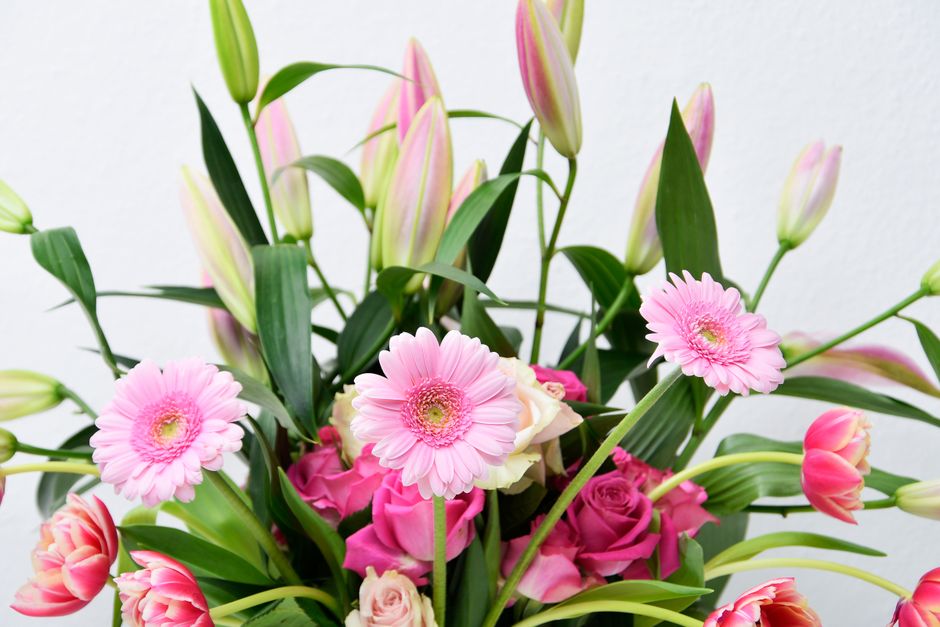
The new owner's question was straightforward: "What plants are safe for my backyard?" She'd just adopted a dog and wanted to create a beautiful, dog-friendly outdoor space. I knew immediately that many of her existing plants were problematic.
Her prized lilies? Toxic to cats (though she didn't have cats yet—good thing to know anyway). The rhododendrons? Poisonous. The sago palms? Extremely toxic. Even some of her "safe" plants posed hazards if the dog ate them excessively or got sick from the physical irritation.
Creating a truly pet-safe garden requires understanding which plants pose genuine risks and which are safe, as well as practical considerations like durability and maintenance.
Understanding Toxic Plants
Pet toxins from plants work through various mechanisms:
Cardiac glycosides: Found in plants like lilies and foxgloves, these affect heart function. Even small ingestions can be serious.
Oxalates: These create calcium crystals that irritate the mouth and digestive system (found in many ornamental plants).
Gastrointestinal irritants: Many plants cause vomiting and diarrhea. While uncomfortable, usually not life-threatening unless severe.
Systemic toxins: Some plants affect specific organs (like lilies affecting kidneys in cats).
Physical hazards: Some plants aren't toxic but cause problems through choking or physical irritation.
You Might Also Enjoy
- Spring Garden Dangers: Bulbs and Plants That Threaten Your Pets
- 10 Common Houseplants That Are Toxic to Dogs and Cats
- Lily Toxicity in Cats: Why These Beautiful Flowers Can Be Deadly
- Sago Palm Toxicity: One of the Most Dangerous Plants for Dogs
Highly Toxic Plants to Remove Immediately
These plants are dangerous enough that if you have them, seriously consider removal or at minimum preventing pet access:
Lilies
Lilies are extremely toxic to cats. Even small ingestions cause kidney failure. Not only the flowers but leaves, stems, and pollen are dangerous. Cats don't even have to eat the plant—ingesting pollen can be toxic.
While less toxic to dogs, they still cause GI upset. If you have lilies and any pets, remove them.
Sago Palms
Extremely toxic. Even small amounts cause liver failure. Highly dangerous for dogs, especially.
Foxglove
Cardiac glycosides cause heart problems. All parts are toxic.
Oleander
All parts highly toxic, causing cardiac and GI problems.
Azaleas and Rhododendrons
Grayanotoxins cause GI upset, cardiovascular problems, and neurological signs.
Yew
Highly toxic. Causes cardiac issues and sudden death.
English Ivy
While sometimes considered "mild," English ivy causes enough GI irritation that removal is wise if your pet is a chewer.
Dieffenbachia
Causes severe mouth irritation and difficulty eating or swallowing.
Moderately Toxic Plants (Use Caution)
These plants are problematic enough that preventing access is wise:
- Daffodils and narcissus: GI upset, cardiac problems
- Tulips and hyacinths: GI upset, especially bulbs
- Hydrangeas: GI upset
- Kalanchoe: Cardiac toxin
- Philodendron: Oxalate crystals causing mouth/GI irritation
- Aloe vera: Can cause GI upset
- Jade plants: GI upset and neurological signs
Plants to Avoid (Cause Minor Issues)
Even if not serious, these cause problems:
- Poinsettia: Mild GI irritation (not as dangerous as popular myth suggests)
- Peace lilies: Oxalate irritation
- Caladium: Oxalate crystals
- Croton: GI irritation
- Begonias: GI upset
Safe Ornamental Plants for Pet-Friendly Gardens
These plants are safe for pets to be around:
Shade-Tolerant Options
- Boston fern: Safe, adds softness
- African violet: Non-toxic, delicate but rewarding
- Prayer plant: Safe and attractive
- Parlor palm: Safe (different from sago palm), tropical feel
- Spider plant: Safe, though some dogs might chew it
- Cast iron plant: Nearly indestructible, safe
Sun-Loving Options
- Sunflowers: Safe flowers, cheerful
- Zinnias: Bright, colorful, safe
- Marigolds: Traditional, safe
- Impatiens: Shade or partial sun, safe
- Petunias: Colorful, safe
- Crape myrtle: Beautiful flowering shrub, safe
- Crepe jasmine: Fragrant, safe
Ground Covers and Edging
- Blue fescue: Safe, attractive texture
- Mondo grass: Safe, compact
- Clover: Safe (and some dogs enjoy grazing on it)
- Vinca/Periwinkle: Safe, spreads well
Trees (Generally Safe)
- Dogwood: Beautiful flowering tree, safe
- Magnolia: Lovely blooms, safe
- Crabapple: Fruit is safe (though flesh only, not seeds)
- Hawthorn: Safe, attractive berries
Practical Considerations Beyond Toxicity
Durability
Some pet-safe plants won't survive a dog that loves to dig or roll. Consider:
- Sturdy plants that withstand physical damage
- Raised beds for delicate plants
- Mulch that won't harm pets (avoid cocoa mulch, which is toxic)
- Avoid plants with thorns or sharp edges
Allergen Considerations
Some safe plants trigger allergies:
- Male ginkgo trees: Notoriously smelly, avoid
- High-pollen plants: Consider if your pet has allergies
- Grasses: Some pets are allergic to certain grass types
Choking Hazards
Even safe plants can be problematic if they create choking hazards:
- Silk floss tree: Safe but produces large seed pods
- Sweet gum tree: Produces spiky seed balls
- Tree seeds and nuts: Remove regularly to prevent choking
Designing a Functional Pet Garden
Beyond selecting plants, design matters:
Separate Garden Spaces
Create a dog area and a human area:
- Dog area: Durable, low-maintenance, pet-safe plants only
- Human area: Raised beds or fenced-off sections with lovely plants
- Use sturdy fencing (not plants) to separate if needed
Designated Digging Areas
Dogs that dig need appropriate outlets:
- Create a sandbox or designated digging area
- Plant pet-safe plants around it
- This redirects destructive digging from your other plants
Water Features
Safe water features are excellent:
- Shallow birdbaths (fun to splash in)
- Small ponds (supervise around water)
- Fountains (supervised access)
Patio and Path Design
Hard surfaces protect plants:
- Patios where pets play
- Mulched paths (use pet-safe mulch)
- Stepping stones rather than planted areas where dogs walk
Protecting Vulnerable Plants
If you love a specific safe plant but have an aggressive chewer:
- Protect with fencing: Small fence around the plant
- Raise with planters: Elevated planters are harder for dogs to access
- Use netting: Temporary netting during the plant's vulnerable stage
- Redirect behavior: Provide appropriate chew toys instead
Toxin Prevention Beyond Plants
Beyond ornamental plants, protect your pet from:
- Fertilizers: Many contain toxic chemicals. Use pet-safe options
- Pesticides: Avoid if possible; use pet-safe alternatives
- Mushrooms: Wild mushrooms are extremely dangerous. Remove immediately when found
- Compost: Keep closed—decomposing plants can be toxic
- Garden chemicals: Store safely away from pets
Seasonal Considerations
Different risks emerge seasonally:
Spring: Lilies, bulbs, toxins from fertilizers Summer: Yard treatments, mushrooms, excessive sun exposure Fall: Mushrooms increase, seed pods fall Winter: Toxic evergreen decorations (holly, mistletoe, ivy)
When Pets Ingest Plants
If you suspect ingestion:
- Identify the plant if possible
- Contact your vet or poison control
- Don't assume it's safe just because it's in your garden
- Bring a sample of the plant if you're unsure what it is
- Monitor for signs of toxicity (vomiting, diarrhea, lethargy, etc.)
Many plants cause delayed symptoms, so observation after exposure is important.
The Bottom Line
A pet-safe garden doesn't mean sacrificing beauty. It means making thoughtful choices about what grows there and how you design the space.
Remove the genuinely dangerous plants (lilies, sago palms, yew). Replace them with beautiful safe alternatives. Create durable areas where pets can safely play and explore. Design separated spaces if you want delicate plants humans enjoy but pets can't access.
Your garden can be both beautiful and safe. It just requires knowing which plants are friends to your pets and which are risky. With this knowledge, you can create a backyard that's genuinely pet-friendly—not just in theory, but in practice.
References