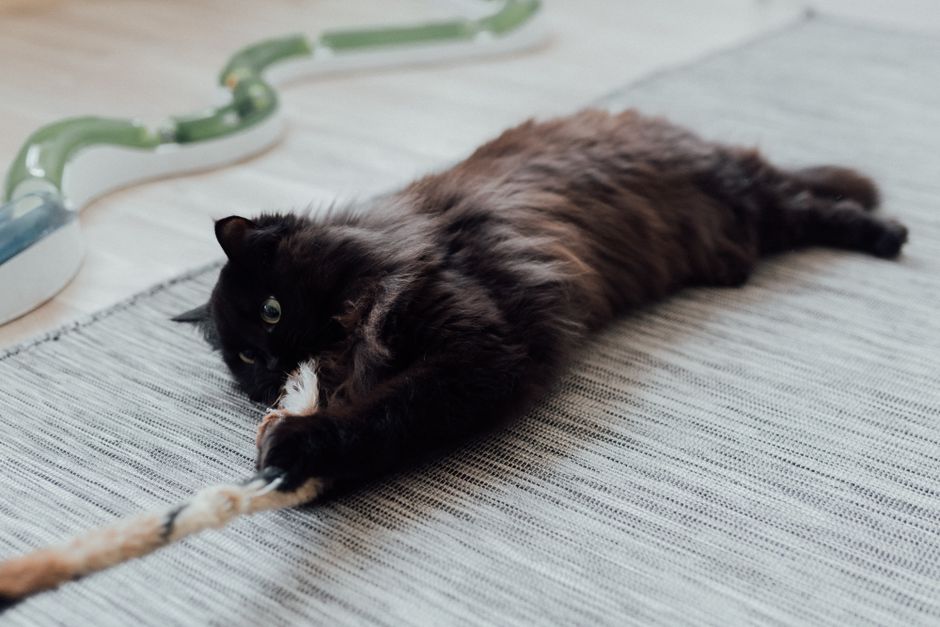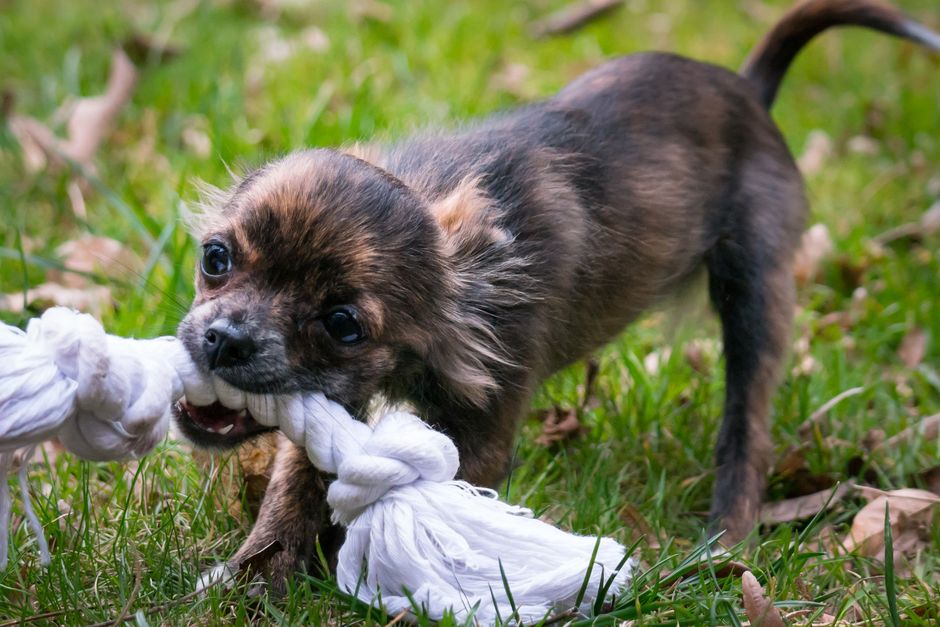
I've spent hundreds of dollars over the years on elaborate dog toys that my pets ignored, only to watch them have the time of their lives with a toilet paper tube stuffed with treats and paper towels. It taught me a valuable lesson: the best pet toys aren't always the most expensive ones. Sometimes they're things you already have at home.
As a pet care specialist, I've learned that pet enrichment doesn't require a hefty budget. With some creativity and basic household items, you can create engaging, safe toys that your dogs and cats will genuinely enjoy. Plus, there's something satisfying about making something for your pet instead of buying it.
Safety First: What To Avoid
Before I share specific DIY toy ideas, let's talk about what makes a safe DIY toy versus a hazardous one.
Never use:
- Small items that could become choking hazards
- Toxic materials (like lead paint or certain plastics)
- Items with sharp edges that could cut mouths or gums
- Long strings or elastics that could cause intestinal obstruction if swallowed
- Small plastic pieces that could break off and be ingested
- Anything coated with harmful chemicals
Always supervise your pet with new homemade toys, especially the first few times they play with them. Some pets are aggressive chewers and will destroy toys faster than others—what's safe for one pet might not be for another.
Regular inspection is essential. Check homemade toys frequently for wear and tear, and discard them if they start breaking apart.
You Might Also Enjoy
- The Best Chew Toys for Aggressive Chewers
- The Best Puzzle Toys for Dogs Who Get Bored Easily
- Cat Wand Toys: How to Use Them for Maximum Exercise and Bonding
- Enrichment Toys for Senior Dogs: Keeping Older Minds Sharp
DIY Dog Toys
The Classic Sock Toy
This is the simplest possible DIY toy, and surprisingly, many dogs love it.
What you need:
- Old socks (clean and intact)
- Optional: tennis ball or crumpled paper for stuffing
Instructions:
- Take 2-3 old socks
- Layer them and tie knots at each end
- For a sturdier version, stuff the center sock with crumpled paper before tying
- Toss to your dog
This creates a rope-like toy that's great for playing fetch or tug-of-war. The knots give your dog something to grab onto.
Safety note: Supervise play with this toy. If your dog tends to chew socks apart, this might not be appropriate—swallowing pieces of fabric can cause intestinal obstruction.
The Treat Dispenser Bottle
This is brilliant for dogs that need mental stimulation and positive reinforcement.
What you need:
- Empty plastic bottle (thoroughly cleaned)
- Small dog treats or kibble
- Optional: tape or a sock to wrap around it
Instructions:
- Clean an empty plastic drink bottle thoroughly
- Poke small holes in the bottle (just large enough for treats to fall through when rolled)
- Fill with treats or kibble
- Cap the bottle and give to your dog
- As your dog rolls and manipulates the bottle, treats fall out
The challenge and reward system keeps dogs engaged for extended periods. The plastic bottle makes noise when nudged, providing auditory feedback.
Safety considerations: Supervise your dog to ensure they don't chew apart the plastic bottle. If your dog is a bottle-chewer, skip this option.
The Tug Toy from Old T-Shirt
This is my favorite DIY toy for enthusiastic tuggers.
What you need:
- Old t-shirt (clean)
- Scissors
- Optional: tennis ball to anchor one end
Instructions:
- Cut the t-shirt into 4-5 strips, each about 2 inches wide and running the length of the shirt
- Bundle the strips together
- Tie a knot at one end
- Starting from the knot, braid the strips
- Tie another knot at the end, leaving frayed edges
This creates a braided tug toy that's durable, inexpensive, and fun for interactive play.
The Rope Toy from Fabric Scraps
Similar to the braid toy but faster to make.
What you need:
- Old fabric scraps or torn-up t-shirts
- Something to tie them together
Instructions:
- Gather several long fabric strips (2-3 inches wide)
- Tie them together at one end
- Braid them loosely (tight braids are harder to manipulate)
- Tie the other end
- You can curl the ends or leave them frayed
The various fabric textures provide sensory interest. This toy is particularly good for smaller dogs.
The Paper Towel Tube Shredder
Perfect for dogs that love to tear things apart.
What you need:
- Empty paper towel or toilet paper tubes
- Optional: treats, shredded paper, or catnip
Instructions:
- Take an empty cardboard tube
- Crumple up some paper and loosely stuff it inside
- Add a few small treats or a pinch of catnip
- Fold the ends partially closed (don't seal them completely)
- Let your dog shred it
This toy is essentially a disposable enrichment activity. Dogs that love to tear and destroy get an outlet for that impulse in a safe, inexpensive way. The entire tube is digestible in small amounts, though you'll want to supervise to prevent excessive consumption of the cardboard.
Note: Save this for dogs that you know can handle a little paper consumption safely. Puppies or dogs with sensitive guts might not be appropriate candidates.
DIY Cat Toys
The Catnip Sock
Cats often prefer simple toys packed with high-value rewards.
What you need:
- Old sock
- Dried catnip
- Needle and thread (or just tie it closed)
Instructions:
- Fill an old sock with dried catnip
- Tie the opening closed (or sew it shut for durability)
- Offer to your cat
The combination of the soft texture and catnip scent is usually irresistible to cats. This toy is small and easy for cats to bat around and carry.
The Crumpled Paper Ball
Sounds simple, but cats go crazy for this.
What you need:
- Paper (newspaper, tissue paper, or paper bags)
- Optional: tape to keep it together
Instructions:
- Crumple paper into a loose ball (not too tight)
- If desired, secure with a bit of tape
- Toss for your cat to chase and bat around
The crinkly sound and unpredictable rolling movements trigger prey drive. Many cats prefer this to expensive toys.
The Feather Wand
This interactive toy keeps cats engaged for extended play sessions.
What you need:
- Stick or dowel rod
- String or yarn
- Feathers (or fabric scraps) to tie to the end
Instructions:
- Tie a length of string to the end of a stick
- Attach feathers or fabric scraps to the end of the string
- Wave the stick to make the feathers "dance"
- Let your cat pounce and chase
This simulates prey and triggers hunting behavior. It's great for interactive play between you and your cat.
Safety note: Don't leave this toy out unsupervised—the string presents a choking/intestinal obstruction risk if your cat chews and swallows it. Use it for supervised play, then put it away.
The Ping Pong Ball in a Bathtub
This requires nothing except what you likely already have.
What you need:
- Ping pong ball (or any small ball that won't flush down the drain)
- Bathtub with minimal water (just enough for slight buoyancy)
Instructions:
- Fill your bathtub with just an inch or two of water
- Toss the ping pong ball in
- Let your cat bat it around
The ball bounces unpredictably, mimics prey behavior, and the water adds a sensory element. Many cats are fascinated by the combination.
Safety consideration: Empty the water immediately after play. Don't leave a bathtub full of water with a ball unattended.
The Toy Ball Filled with Crumpled Paper
Similar to the paper ball but contained in fabric.
What you need:
- Small mesh bag or old t-shirt sewn into a ball shape
- Crumpled paper or plastic bags to stuff it
- Needle and thread
Instructions:
- Create a fabric ball (or use a small mesh bag)
- Stuff with crumpled paper or plastic grocery bags
- Seal it closed
- Offer to your cat
The crinkly sounds and soft texture appeal to most cats. This is more durable than a loose paper ball.
Multi-Pet Toys (Dogs and Cats Can Both Enjoy)
The Braided Toy (Adapted for All Sizes)
The braided toy described above works for both dogs and cats—just adjust the size. Smaller braids for cats, larger braids for dogs.
The Ball in a Sock
Simple but effective for all pets.
What you need:
- Old sock
- Small ball (tennis ball for dogs, smaller ball for cats)
- Scissors
Instructions:
- Place a ball in a sock
- Fold the sock around it and secure with a knot
- Offer to your pet
The ball gives it shape and texture; the sock adds softness and provides a grabbing point.
Enrichment Toys (Mental Stimulation)
The Toilet Paper Tube Puzzle Feeder
This combines play with feeding for extended engagement.
What you need:
- Several empty toilet paper tubes
- Shallow box or tray
- Treats or kibble
Instructions:
- Arrange empty toilet paper tubes standing upright in a shallow box
- Fill the tubes and surrounding box with treats or kibble
- Let your pet figure out how to extract the treats
This requires your pet to problem-solve and use their nose or paws to retrieve rewards. It's excellent mental enrichment.
The Egg Carton Treat Puzzle
Similar concept, using materials most homes have.
What you need:
- Empty egg carton
- Treats or kibble
Instructions:
- Place treats in some (or all) of the cups of an egg carton
- Close the carton
- Let your pet figure out how to access them
Both dogs and cats enjoy working to access rewards. The egg carton is completely edible if eaten in small amounts, though supervise to prevent excessive consumption.
Tips for DIY Toy Success
Know your pet's preferences. Some dogs love tug toys; others prefer chase toys. Some cats are motivated by catnip; others prefer feathers. Watch what your pet naturally gravitates toward and design toys accordingly.
Rotate toys frequently. Having too many toys available at once reduces their novelty value. Rotate which toys are available to maintain interest.
Supervise initial play. The first time your pet plays with a homemade toy, watch them carefully. Some pets are gentler with toys than others, and individual pet habits matter more than general recommendations.
Replace toys regularly. Homemade toys wear out faster than commercial toys. Replace them as needed rather than trying to extend their life beyond safety limits.
Combine toys with play. The most engaging toys are often those used for interactive play between you and your pet. A simple braided toy becomes incredible fun when you're playing tug-of-war together.
Cost-Benefit Reality
The real benefit of DIY toys isn't necessarily saving money—though you certainly can. The real benefit is having readily available enrichment using materials you already have. When your dog or cat is bored at 9 PM on a Tuesday, you can quickly make a toy rather than wishing you'd bought one.
Plus, there's something satisfying about your pet loving something you made for them. That battered braided t-shirt toy that your dog returns to again and again? That's a win.
Final Thoughts
Your pets don't require expensive, elaborate toys. They require engagement, mental stimulation, and opportunities to express natural behaviors. Homemade toys made from household items often do this better than commercial alternatives.
Start simple. Pick one or two DIY toys that appeal to you and your pet's personality. Make them safe, supervise play, and pay attention to what your pet genuinely enjoys. You might find that your pets prefer these simple, homemade options to anything money can buy.
What's your favorite DIY pet toy? Have you made any creative toys from household items? Share your ideas in the comments—I'd love to hear what works for your pets.
Sarah Mitchell is a certified pet care specialist and author of Pawprint Journals. She lives in Portland, Oregon with her golden retriever, two rescue cats, and an impressive collection of indoor plants.