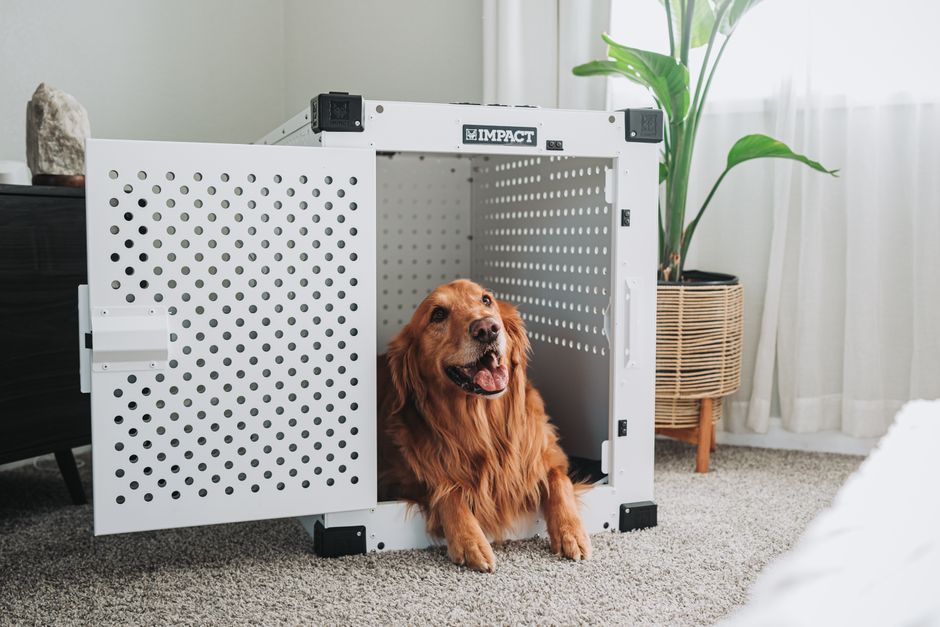
A friend brought a diffuser with eucalyptus oil to my house. Within an hour, Pepper was showing signs of distress—excessive drooling, difficulty breathing, tremors. I immediately called poison control, then rushed her to the emergency vet. They confirmed it: she was reacting to the eucalyptus oil dispersing through the air.
That terrifying experience taught me that essential oils aren't just potential toxins if ingested. Airborne vapors can poison pets, especially cats. Yet many people don't realize this risk. The essential oils industry heavily markets diffusers as wellness tools, rarely mentioning the pet toxicity concerns.
This is information every pet owner needs to understand.
Why Pets Are Vulnerable to Essential Oils
Essential oils are volatile, concentrated plant compounds. Here's why they're particularly dangerous for pets:
Cats Lack Critical Liver Enzymes: Cats are missing glucuronyl transferase, an enzyme that humans and dogs use to metabolize certain compounds in essential oils. This makes cats particularly vulnerable to oils like tea tree, eucalyptus, and peppermint.
Airborne Toxicity: Unlike food toxins (which require ingestion), essential oil vapors can be absorbed through the lungs and skin. Your pet doesn't need to drink the oil to be poisoned.
Concentration is High: Essential oils are 50-100 times more concentrated than the plant material. A single drop represents a significant dose of active compounds.
Pets Can't Leave: If a diffuser is running in your home, your cat or dog breathing the air all day accumulates exposure. They can't step outside to get fresh air the way you can.
Dogs Are Also Vulnerable (Though Less Than Cats): Dogs have better metabolic capacity than cats, but they're still vulnerable to concentrated essential oils, especially when airborne.
You Might Also Enjoy
- 10 Common Houseplants That Are Toxic to Dogs and Cats
- Lily Toxicity in Cats: Why These Beautiful Flowers Can Be Deadly
- Mushroom Toxicity in Dogs: The Backyard Danger You Might Be Missing
- Sago Palm Toxicity: One of the Most Dangerous Plants for Dogs
The Most Dangerous Essential Oils for Pets
Oils to Completely Avoid (Highly Toxic)
Tea Tree Oil
- Toxins: Terpineol, 1,8-cineole, p-cymene
- Effects: Skin irritation, neurotoxicity, tremors, paralysis
- Timeline: Can develop within hours
- Danger: Toxic through ingestion, absorption, and inhalation
- Risk Level: CRITICAL—even small amounts can cause problems
Eucalyptus Oil
- Toxins: 1,8-cineole (the primary culprit)
- Effects: Respiratory depression, tremors, muscle weakness, seizures
- Timeline: Hours to 24 hours
- Danger: Primarily through inhalation; diffused form is significantly dangerous
- Risk Level: CRITICAL—this is what poisoned Pepper
Peppermint Oil
- Toxins: Menthol, pulegone (in some species)
- Effects: Respiratory depression, muscle tremors, seizures
- Timeline: Hours
- Danger: Inhalation and ingestion
- Risk Level: CRITICAL—especially for cats
Citrus Oils (Lemon, Lime, Orange, Grapefruit)
- Toxins: Limonene, linalool
- Effects: Tremors, weakness, lethargy, vomiting
- Timeline: 1-3 hours
- Danger: Ingestion and skin absorption (cats groom themselves)
- Risk Level: CRITICAL—especially concentrated oils
Pine Oil
- Toxins: Pinene, limonene
- Effects: Respiratory irritation, nervous system depression, tremors
- Timeline: Hours
- Danger: Primarily inhalation
- Risk Level: CRITICAL—diffusing is particularly dangerous
Ylang Ylang Oil
- Toxins: Complex volatile compounds
- Effects: Respiratory depression, weakness, muscle tremors
- Timeline: Hours to 24 hours
- Danger: Inhalation
- Risk Level: CRITICAL
Lavender Oil
- Toxins: Linalool, linalyl acetate
- Effects: Tremors, lethargy, drooling, respiratory depression
- Timeline: Hours
- Danger: Ingestion and inhalation (though inhalation is lower risk than ingestion)
- Risk Level: VERY HIGH—especially concentrated oils
Very Dangerous Oils (Avoid)
- Cinnamon
- Clove
- Thyme
- Wintergreen
- Nutmeg
- Anise
- Juniper
- Bergamot
- Grapefruit
- Lemongrass
Oils with Lower Risk (But Still Use Caution)
- Frankincense (lower risk, but still proceed cautiously)
- Cedarwood (lower risk, but not completely safe for cats)
- Chamomile (lower risk, but can cause contact dermatitis)
Honestly? The safest approach is avoiding all essential oils around pets. There are so few truly safe options that using any in a home with pets creates unnecessary risk.
Symptoms of Essential Oil Toxicity
Symptoms vary based on which oil and exposure method, but watch for:
Respiratory Signs:
- Difficulty breathing
- Rapid breathing
- Wheezing
- Coughing
Neurological Signs:
- Tremors (especially in muscles)
- Muscle weakness
- Loss of coordination
- Seizures
- Weakness or lethargy
Gastrointestinal Signs:
- Drooling (excessive)
- Vomiting
- Diarrhea
Dermatological Signs:
- Redness or irritation on the skin
- Burns on paw pads (from concentrated oil)
- Hair loss from excessive licking
Other Signs:
- Difficulty walking
- Depression
- Rapid heart rate
- Hypothermia (low body temperature)
The tricky part: symptoms can appear slowly with chronic airborne exposure, making the connection to the diffuser less obvious.
What to Do If Your Pet Is Exposed
Immediate Actions:
-
Remove the source immediately. Turn off the diffuser, open windows, increase ventilation.
-
Call poison control: ASPCA Animal Poison Control (888-426-4435) or Pet Poison Helpline (855-764-7661). Describe the oil and exposure method.
-
Bathe your pet if appropriate: If the oil contacted skin (which it will if airborne long-term), rinsing can help remove it. Use lukewarm water and mild soap. Dry thoroughly.
-
Don't induce vomiting unless poison control specifically recommends it. Some oils are more harmful coming back up.
-
Contact your veterinarian: Even if your pet seems fine, call. Some essential oil toxicities have delayed symptoms.
At the Vet:
- Bring the oil bottle (so they know exactly what you used)
- Provide timeline of symptoms
- Describe how the oil was used (diffuser, topical, ingestion)
- Follow all monitoring recommendations
Treatment: Supportive care including oxygen therapy if needed, IV fluids, activated charcoal (if ingestion, given early), and symptomatic treatment (anti-seizure medications if seizuring, etc.).
Safe Alternatives to Essential Oils
If you want your home to smell good:
Safe Options:
- Unscented products (no fragrance needed)
- Pet-safe candles (unscented, or with light natural scents only)
- Opening windows for fresh air (free and safe)
- Non-toxic plants for natural air purification (spider plants, Boston ferns, prayer plants)
- Baking soda for odor absorption (safe, non-toxic)
What NOT to Use as "Alternatives":
- Plug-in air fresheners (often contain essential oil vapors)
- Scented candles with essential oils
- Scent diffusers of any kind
- Products marketed as "natural" (often contain essential oils)
- Aromatherapy anything
The Diffuser Question
Should you avoid diffusers entirely if you have pets? Honestly, yes. The risk isn't worth it. But if you insist on using a diffuser:
Never Diffuse Toxic Oils: Restrict to oils that are lower risk (frankincense, perhaps), used in short bursts (15 minutes maximum), in well-ventilated rooms your cat can leave, at the lowest mist setting.
Better Yet: Don't diffuse. The benefit of pleasant smell isn't worth the potential for poisoning your cat or dog.
Critical Rule: Never use essential oils topically on your pet, regardless of "natural" claims or online recommendations. This is a major source of toxicity.
What About "Pet-Safe" Essential Oils?
Products marketing "pet-safe essential oils" deserve skepticism. The reality:
- Most oils have some risk, especially for cats
- "Pet-safe" usually means "lower risk at low concentrations," not "completely safe"
- Cats' vulnerability to certain compounds makes truly safe oil very limited
If a product claims to be pet-safe, ask:
- Exactly which oils are in it?
- What concentration?
- What toxicological studies support the safety claim?
Most can't answer these questions with confidence. That's your sign to skip it.
Pepper's Recovery
Pepper recovered fully from her eucalyptus exposure after an ER visit, IV fluids, oxygen therapy, and overnight monitoring. She was terrified, I was traumatized, and my friend felt guilty.
All of this was preventable if I'd simply refused to have the diffuser running in my home.
If you have pets, your fragrance options are limited. That's okay. Your pet's safety matters more than your home's smell.
Emergency Resources
- ASPCA Animal Poison Control: 888-426-4435 (24/7)
- Pet Poison Helpline: 855-764-7661 (24/7)
- Emergency Vet: Have the number ready
Resources