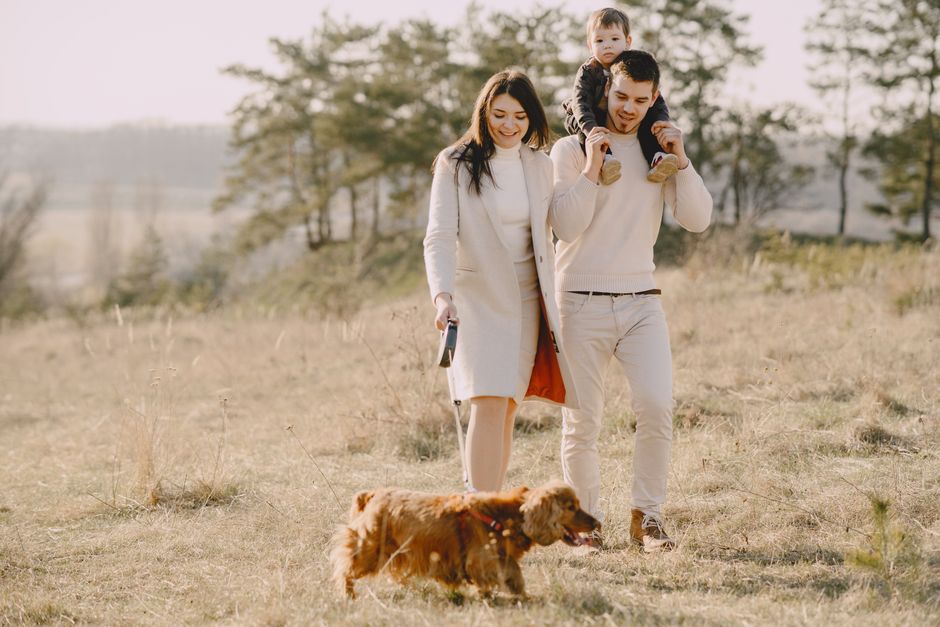
The transition happened faster than we expected. One day I was the center of my dog's universe. The next day, there was a screaming, attention-demanding tiny human, and I was suddenly last in the pecking order. My sweet Golden Retriever went from sleeping in my room to sleeping in a crate in the hall. Her routine completely changed. Her primary human (me) was suddenly unavailable for afternoon walks. Everything she'd known became different.
Looking back, I wish I'd known how to prepare her. Instead, we managed the chaos of a baby and a confused, stressed dog simultaneously. But I learned, and now I counsel every soon-to-be parent on pet transitions—because with preparation, it doesn't have to be chaotic.
A new baby is one of the most significant transitions in a household. Your pet, who has been part of the family and perhaps the center of attention, suddenly becomes secondary. The good news is that with intentional preparation starting months before the baby arrives, most pets adjust beautifully.
Why Pets Struggle with Baby Arrival
Your pet isn't selfish or jealous. They're experiencing genuine stress from massive environmental changes:
-
Routine disruption: Walks happen at different times. Sleep schedules shift. Meal times change. Pets thrive on predictability, and sudden changes cause anxiety.
-
Attention reduction: Weeks before, you had time to play, pet, and interact. Suddenly, you're exhausted, busy with a baby, and less available. Your pet notices.
-
New smells and sounds: Babies cry (loudly), smell different, and create sounds pets have never experienced. This can be frightening.
-
Environmental changes: The nursery is off-limits. New furniture appears. Your bedroom might be off-limits now. Spaces that were accessible become restricted.
-
Loss of identity: Your pet was "the baby" of the family. Now there's an actual infant. Their role has fundamentally changed.
These aren't behavioral problems to fix—they're legitimate stress responses to massive life changes.
You Might Also Enjoy
- Adopting a Rescue Pet: What First-Time Owners Should Expect
- The Best Dog Breeds for Families with Young Children
- Companion Pets for Seniors: Finding the Right Match for Golden Years
- The Emotional Benefits of Pets for People Living Alone
Pre-Baby Preparation Timeline
Ideally, start preparing 2-3 months before the baby arrives.
3 Months Before
Update routines gradually:
- If walks happen at 9am daily, start gradually shifting to 8am, then 7:30am, simulating the schedule you'll have with a baby
- Adjust feeding times
- Change nap schedules
Make these changes gradually (over weeks, not days) so they don't shock your pet.
Exposure to baby sounds:
- Download baby crying, cooing, and fussing sounds
- Play these at low volumes while you're bonding with your pet
- Gradually increase volume over weeks
- Pair these sounds with positive experiences (treats, affection)
- Your goal is to create a positive association: "baby sounds" = "good things happen"
Establish restricted zones:
- If the baby's room will be off-limits, start closing the door now
- Teach your pet that closed doors mean "don't enter"
- Practice having them stay out of areas while you're still home
- Don't make this punitive; redirect to acceptable areas
2 Months Before
Establish crate comfort (if applicable):
- If your pet will crate while baby-sleeping or during chaotic times, ensure the crate is positive
- Feed meals in the crate with the door open
- Close the door for brief periods while you're home
- Never use the crate as punishment
- Build positive associations extensively
Practice attention reduction:
- Deliberately reduce interaction for short periods
- Ignore your pet while you're doing other things (simulating the divided attention that comes with a baby)
- Build their tolerance for not being the constant focus
- Reward calm behavior during times you're deliberately less available
Introduce new routines:
- If the baby will nap at certain times and you'll need your pet to be quiet, practice quiet times now
- Reward your pet for calm behavior during designated "quiet hours"
- Create positive associations with these times
6-8 Weeks Before
Arrange for help:
- Identify friends or family who can help with pet care postpartum
- Arrange dog walkers or pet sitters if needed
- Your availability will be severely limited; you need a backup plan
- Don't rely entirely on your partner; if they're also overwhelmed, the pet suffers
Baby furniture practice:
- Set up the nursery furniture (crib, changing table, etc.)
- Let your pet explore with supervision
- Teach boundaries (jumping in crib = off-limits)
- Use calm, consistent corrections, not punishment
Final 2-4 Weeks
Visit the hospital/birth center:
- Many hospitals allow pets to visit the maternity ward to experience the baby
- If available, use this opportunity to introduce your pet to your baby before coming home
- Keep it calm and positive
Introduce baby-scented items:
- Bring home blankets or clothing with baby scent before the baby
- Let your pet smell these items
- This gradual scent introduction is less shocking than the baby's sudden arrival
Final routine solidification:
- Ensure all new routines are established and your pet is comfortable
- Continue exposure to baby sounds
- Maintain exercise and enrichment
Managing the Arrival: First Weeks
First Contact
When you bring the baby home:
- Have someone else handle your pet initially
- Allow your pet to smell the baby at a distance (not forced closeness)
- Keep initial interactions brief and calm
- Don't force interaction; allow curiosity
Your pet might seem uninterested. This is fine. They'll adjust to the baby's presence gradually.
Maintaining Pet Routines
Even when everything is chaotic:
- Keep feeding times consistent
- Maintain walking schedules (even shorter walks are better than skipped ones)
- Establish quiet bonding time with your pet
- Consistency reduces stress
Use this pre-arranged help. This isn't the time to completely neglect your pet because you're overwhelmed with the baby.
Managing Negative Behaviors
Accidents in the house: Often regressive behavior from stress. Don't punish. Return to basics with house-training. Increase outdoor time. It usually resolves in weeks as the pet adjusts.
Destructiveness: Anxiety-driven. Increase exercise, provide enrichment (puzzle toys, chews), ensure adequate attention. Consider anxiety medication if severe.
Aggression or resource guarding: This is more serious. Work with a trainer. Never leave unsupervised interactions between dogs and the baby.
Excessive attention-seeking: Normal but manageable. Ignore desperate attempts for attention. Reward calm behavior. Provide designated play/attention times.
Specific Considerations by Pet Type
Dogs
Dogs often struggle more visibly than cats with baby transitions because they're typically more attention-focused.
- Maintain walks even if shorter
- Use baby time as crate/quiet time training (this is positive)
- Create a "baby-free zone" where your dog can retreat
- Manage interactions carefully (teach gentle behavior around the baby)
- Consider group training classes to maintain mental stimulation
Cats
Cats often cope better than dogs but suffer silently.
- Ensure litter boxes remain accessible in quiet locations
- Keep vertical spaces available (cat trees, shelves)
- Don't restrict the baby's room completely if the cat lived there before
- Provide quiet retreat spaces away from the baby
- Maintain feeding locations and routines
Safety Considerations
Beyond emotional adjustment, ensure physical safety:
- Never leave your pet and baby alone together unsupervised
- Teach the baby (as they grow) to respect the pet
- Establish boundaries: baby's toys are baby's, not the pet's
- Ensure your pet has escape routes (they might need space from the baby)
- Watch for stress signals from the pet that might escalate toward the baby
Managing Your Own Expectations
You will be exhausted. Your pet might regress. The early weeks are chaotic. This is normal.
Give yourself and your pet grace. Most pets adjust within 2-4 weeks. Some take longer. Consistency and patience matter more than perfection.
Also, remember that reduced personal time with your pet isn't forever. As the baby becomes less demanding and routines solidify, you can gradually increase pet interaction and enrichment.
Long-Term Benefits
Pets that successfully adjust to babies often become wonderful companions to the growing child. Dogs teach responsibility. Cats teach respect for boundaries. Pets provide unconditional love during the chaotic child-rearing years.
Many pet owners report that their child and pet become best friends, and the pet transition—as hard as it was—led to something beautiful.
The Bottom Line
A new baby doesn't mean losing your beloved pet. It means transitioning your pet into a new role in your family. With preparation starting months ahead, consistent routines, adequate help, and patience, your pet can adjust beautifully.
My Golden Retriever eventually became my daughter's devoted guardian. She'd wait outside the nursery, sleep by the crib, and later become my daughter's constant companion. But that didn't happen by accident. It happened because I spent months preparing her for the change.
Start now. Be intentional. Your pet's smooth transition will make those early baby months far less chaotic.
References