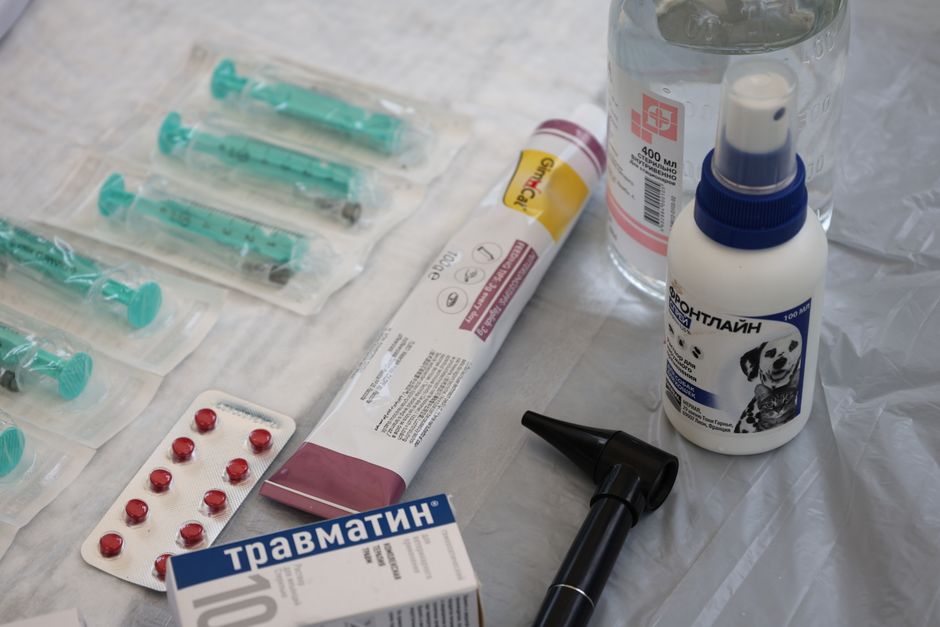
Maggie hates pills. Always has. Even wrapped in peanut butter, swimming in wet food, or disguised as a treat—she somehow knows. It's like she can sense when something is medically necessary and makes it her mission to reject it.
After years of struggling with medication administration, I've learned that successful pill concealment isn't about trickery. It's about understanding your pet's preferences, timing, and having multiple strategies in your arsenal. What works for one pet fails completely for another, so flexibility is essential.
Why Food-Based Medication Administration Works
When your veterinarian prescribes medication, they typically have two administration options: direct dosing (pill in the mouth) or food-based concealment. Food-based is almost always preferable because:
Benefits:
- Less stressful for the pet (no struggle or restraint)
- More reliable dosing (pill gets swallowed intact)
- Easier on your relationship with your pet
- Can be given at scheduled meal times naturally
- Lower risk of injury to you or your pet during administration
The challenge is that pets, especially cats, become suspicious when their food tastes different. Some medications are bitter. Some pills are bulky. Some pets are just inherently suspicious of food tampering.
You Might Also Enjoy
- DIY Catnip Treats Your Cat Will Go Crazy For
- Cat Treats That Are Actually Good for Your Feline's Health
- The Best Training Treats for Dogs: Small, Tasty, and Effective
- Frozen Dog Treats for Summer: Easy Recipes to Beat the Heat
The Best Pill-Hiding Foods
High-Adhesion Foods (Pills Stick Effectively)
Wet Cat/Dog Food:
- Highly palatable
- Moisture helps pill dissolve into the food
- Pills "stick" well to chunky varieties
- Con: Some pets inspect wet food carefully
Wet Food Strategy: Mix pill into the center of a small portion (1-2 tablespoons for dogs, 1 tablespoon for cats). Serve in a clean bowl immediately. Don't leave it sitting—medication can dissolve and taste off.
Peanut Butter (Xylitol-Free):
- Sticky texture holds pills effectively
- Most dogs find it irresistible
- Easy to portion
- Con: Very high fat (use sparingly)
- Warning: Verify no xylitol (toxic to dogs)
PB Strategy: Place pill in a small amount (teaspoon to tablespoon), roll into a ball, and offer immediately. Follow with a few non-medicated "clean" peanut butter balls to confuse the issue.
Cream Cheese or Soft Cheese:
- Texture holds pills well
- Less intense flavor than peanut butter (better for cats)
- Easy to portion into small balls
- Cleaner than peanut butter (doesn't stick to teeth)
Cheese Strategy: Form into a small ball around the pill. For particularly suspicious pets, offer 2-3 clean cheese balls before and after the medicated one.
Meat Pâté or Liverwurst:
- Extremely smelly and attractive to most dogs
- Meat-based appeals to cats
- High palatability
- Sticky texture
- Con: Can stain teeth/mouth with red discoloration
Meat Strategy: Mix pill into a tablespoon, offer immediately. Follow with regular food to disguise the medicinal taste.
Lower-Adhesion but Palatable Foods
Plain Chicken or Turkey (Cooked, Unseasoned):
- Digestible and safe
- Can be formed into small balls around pills
- Less messy than peanut butter
- Con: Pill doesn't "stick" well; need to compact tight
Poultry Strategy: Form ground/shredded cooked chicken tightly around pill. Offer quickly before your pet can inspect it carefully.
Egg (Scrambled or Hard-Boiled):
- Easy to digest
- Most pets enjoy it
- Good for sensitive stomachs
- Con: Pill doesn't adhere well to crumbly texture
Egg Strategy: Scramble with pill mixed throughout, or wrap pill in soft scrambled egg formed into a compact ball.
Tuna or Salmon (Canned in Water):
- Highly aromatic (very appealing)
- Easy to mix
- Can be formed into small portions
- Con: Smelly; may stain light-colored pets
Fish Strategy: Drain completely, mix pill throughout, offer immediately. The strong smell masks medication taste.
Plain Yogurt (Unsweetened, No Xylitol):
- Good for upset stomachs
- Palatable
- Probiotics can aid digestion
- Con: Pill doesn't stick well; can separate
Yogurt Strategy: Thicken with a bit of canned pumpkin (also good for digestion). Form into a ball or use a small dog treat as a "vehicle."
The "Pill Pocket" Alternative: Homemade Pill Vessels
Commercial pill pockets work for some pets. For those they don't, create homemade versions:
Pill Meatballs:
- Ground cooked chicken or beef
- Mix with a small amount of peanut butter, cream cheese, or wet food
- Compact tightly around pill
- Serve immediately
Treat-Wrapped Method:
- Use a small training treat, create a pocket on one side
- Insert pill into pocket
- Seal the pocket with peanut butter or soft cheese
- Serve immediately
The Multi-Treat Strategy (Deception Approach)
Many pets learn that certain foods mean medication. Combat this:
- Offer 2-3 non-medicated treats first to lower suspicion
- Give the medicated treat in the middle
- Follow with 2-3 more non-medicated treats
This "pill sandwich" approach confuses pets about which treat contains medication.
Example:
- Clean peanut butter ball
- Medicated peanut butter ball
- Clean peanut butter ball
Your pet focuses on the peanut butter reward, not analyzing each one for foreign objects.
The Timing Factor
When you give medication matters:
With Meals: Give medicated food at regular meal times when your pet expects to eat. The context of "food time" makes them less suspicious.
Between Meals: If your pet eats scheduled meals, give medication at a consistent time (e.g., always after breakfast). Consistency creates expectation.
Hungry Pets: Give medicated food when your pet is genuinely hungry—they're less likely to inspect carefully.
Avoid Recent Treats: Don't give medicated food right after they've eaten treats or food. They need genuine appetite.
Cats: The Medication Interrogators
Cats are notoriously difficult. Their sense of smell is superior to dogs', and they're inherently suspicious of food modifications.
Cat-Specific Strategies:
Temptation Method:
- Offer a tiny piece of something incredibly desirable (cooked chicken, tuna, salmon)
- Let them eat that clean piece
- Immediately offer the medicated portion
- Follow with another clean piece
The Pill Crusher Option (If Approved): Ask your vet if the medication can be crushed. If yes:
- Crush pill and mix thoroughly into a small amount of something aromatic
- Liverwurst, tuna, or meat pâté work well
- Mix thoroughly so the powder is distributed
- Serve in a small bowl immediately
Pill Gun Alternative: If food-based methods truly fail, ask your vet about pill guns—devices that allow you to place pill in the cat's mouth without using fingers. Less traumatic than forced medication.
Foods to Absolutely Avoid
Never Hide Pills In:
- Chocolate (toxic to pets)
- Grapes/raisins (toxic, especially to dogs)
- Onion-containing foods (toxic)
- Xylitol-containing foods (highly toxic)
- Human medications or supplements (dangerous interactions)
- Anything your pet is allergic to
Also be cautious with:
- Excessive salt (kidney issues)
- Excessive fat (pancreatitis risk)
- Foods with garlic or chives (toxic)
Special Considerations for Specific Medications
Some medications have particular requirements:
Antibiotics: Often bitter. Masking flavors (peanut butter, liverwurst) are crucial. Your vet may recommend specific foods.
Thyroid Medications: Often need to be given on an empty stomach or with minimal food. Follow your vet's guidance precisely.
Joint Supplements: Often in capsule form; easy to hide in fatty foods that help absorption.
Behavioral Medications: Can have side effects; consistency in food base helps monitor tolerance.
Always follow your veterinarian's specific instructions about food interactions.
When Food-Based Doesn't Work
Some pets simply refuse medicated food regardless of strategy. Options:
-
Ask your vet for different medication form: Liquid? Smaller pill? Different medication altogether?
-
Pill gun/pet piller: Device that places pill far back in throat, minimizing your pet's ability to spit it out.
-
Compounding pharmacy: Some pharmacies can compound medications into different forms (flavored liquids, smaller pills, treats) that your pet might accept.
-
Direct administration: You and your vet can learn proper pill administration directly in the mouth.
-
Fasting before pill time: An extremely hungry pet might swallow medicated food without inspection.
The Reality of Chronic Medication
If your pet requires long-term medication, consistency matters enormously. Finding a method that works and sticking with it creates routine that reduces stress for everyone.
Track what works. Note successful vehicles. Some of Maggie's conditions require ongoing medication, and I now have a formula that works: cream cheese balls given at 8 AM, mixed with two clean cream cheese balls, offered right after I pour her morning water.
It's not trickery. It's routine. And routine is what makes medication administration bearable.
Resources