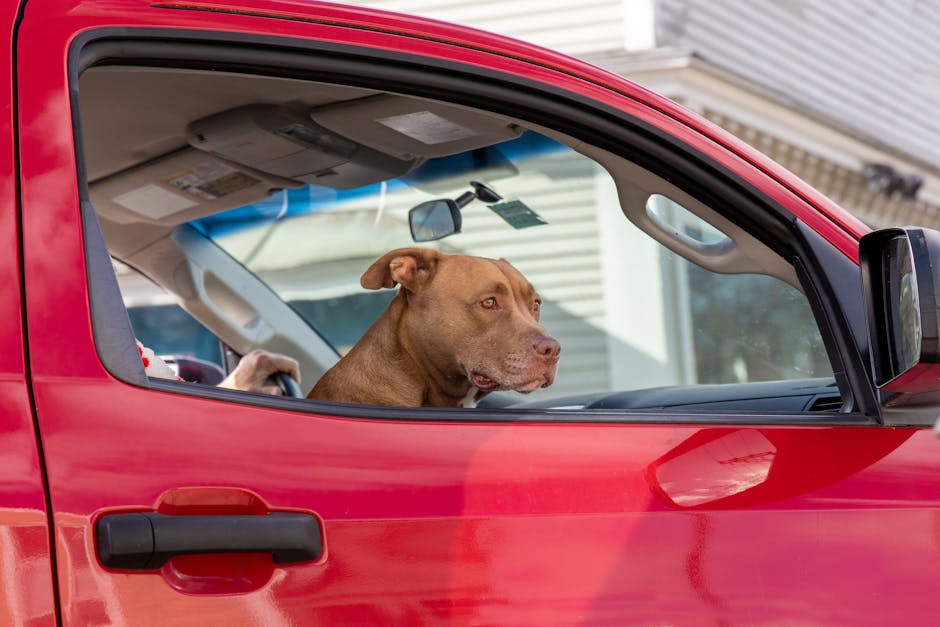
The first time I traveled with Maggie for the holidays, I learned the hard way that pet travel requires serious preparation. Arriving at my parents' house three hours away, I'd forgotten her travel bowls, forgotten to scout a local vet, and failed to mention to my parents that she gets anxious in new environments.
That was a stressful holiday. Now, years later, I've refined my approach. Holiday travel with pets absolutely requires more planning than traveling solo, but the planning pays off tremendously in reduced stress for everyone.
Starting the Planning Process (4-6 Weeks Prior)
Successful pet travel begins long before you leave home.
Veterinary Preparation:
Schedule a vet appointment 4-6 weeks before travel:
- Current health check ensuring your pet is fit for travel
- Update vaccinations if needed
- Get a copy of vaccination records (required for flights and some accommodations)
- Discuss travel anxiety—does your pet need medication?
- Request a health certificate if flying (required by airlines and some states)
- Get prescriptions filled for any medications needed during travel
Identification Updates:
- Microchip registration current with accurate contact information
- Update your pet's ID tag with a phone number where you'll be reachable
- Take recent clear photos (in case your pet gets lost)
- Research local animal shelters and vets at your destination
Training and Preparation:
- If your pet hasn't traveled before, start practice trips: first a short drive, then longer ones
- Practice crate time if flying (many dogs and cats get anxious in travel carriers)
- Desensitize to the car or carrier gradually (15 minutes at first, building up)
- Ensure your pet is reliably responding to recall commands
You Might Also Enjoy
- Adopting a Rescue Pet: What First-Time Owners Should Expect
- The Best Dog Breeds for Families with Young Children
- Companion Pets for Seniors: Finding the Right Match for Golden Years
- The Emotional Benefits of Pets for People Living Alone
Car Travel: The Most Common Holiday Pet Transport
Road trips are common during holidays—visiting family, driving to ski vacations, heading to pet-friendly destinations.
Before You Leave:
-
Service your car: Check brakes, coolant, tire pressure. Pet emergencies happen; don't add mechanical failure.
-
Secure Your Pet:
- Use a crash-tested harness or carrier (not just loose in the car)
- Never leave a pet unattended in a parked car (heat/cold danger)
- Front seat airbags can injure pets—use the back seat
-
Pack the Pet Travel Kit:
- Food and water (in sealed containers with labels)
- Portable food/water bowls
- Medications and first aid supplies
- Pee pads or litter box (portable, collapsible options exist)
- Leash, collar, harness
- Recent photos of your pet
- Vaccination records
- Favorite toy or comfort item
- Paper towels and cleaning supplies (for accidents)
During the Drive:
- Stop every 2-3 hours for bathroom breaks and stretching
- Never leave your pet alone in the car, even with windows cracked
- Keep your pet's routine as consistent as possible (feeding times, exercise)
- Use calming supplements or medication if your vet recommended them
- Avoid feeding just before driving (motion sickness)
Duration-Specific Guidance:
- Under 4 hours: One bathroom break is usually sufficient
- 4-8 hours: Stop every 2-3 hours
- 8+ hours: Break it into two days if possible (safer for you and less stressful for your pet)
Flying: More Complicated But Possible
Flying with pets requires significantly more planning.
Know the Rules:
- Most airlines allow one pet in the cabin (usually limited to small dogs, cats, and small rabbits)
- Cabin pets pay a fee ($100-$200 typically, non-refundable)
- Pet must fit in an airline-approved carrier that fits under the seat
- In-cabin pets must stay crated during flight (for safety)
- Large pets fly in cargo, which is stressful and risky (consider driving or boarding instead)
The Carrier Requirement:
- Purchase an airline-approved carrier well in advance
- Have your pet practice spending time in it (feed meals in it, leave door open at home)
- Practice wearing the carrier (let them walk around in it)
- Size must be exact—too large and it won't fit under the seat; too small causes distress
Documentation:
- Health certificate from your vet (valid for 10 days, must get close to travel date)
- Vaccination records
- Microchip registration confirmation
- Airline pet declaration (usually online)
Arrival at the Airport:
- Arrive 2+ hours early (more than standard, due to pet documentation)
- Keep your pet in the carrier until the last possible moment
- Use the airport's pet relief area if available
- Have your vet's contact information for destination and backup vet
During Flight:
- Bring familiar-smelling items in the carrier (blanket from home)
- Don't overmedicate—drowsy pets can have breathing issues at altitude
- Bring pee pads in case your pet has an accident
- Your pet must stay in the carrier—no walking them around
Accommodations: Finding Pet-Friendly Lodging
Research Early:
- Not all pet-friendly hotels accept all pets
- Some charge per pet per night ($25-$50 typically)
- Some have breed restrictions (especially for dogs)
- Book early—holiday season fills pet-friendly rooms quickly
When Booking:
- Confirm the pet policy matches your pet's needs
- Ask about nearby dog parks or relief areas
- Check if they provide water bowls, pee pads
- Confirm no additional fees apply
At the Hotel:
- Request a ground-floor room (easier for bathroom breaks)
- Set up your pet's familiar items immediately (bed, toys, litter box)
- Put the "Do Not Disturb" sign up (prevents housekeeping from opening doors)
- Identify the closest relief area before settling in
- Never leave your pet unattended in the room, even briefly
Alternative Accommodations:
- Airbnb: Filter for pet-friendly properties; read reviews carefully
- Vacation rentals: Often more pet-friendly than hotels
- Boarding facilities: If you prefer, board your pet and visit pet-friendly areas without the pet (reduces stress)
Keeping Your Pet Calm and Safe During Travel
Anxiety Management:
- Ask your vet about calming supplements (L-theanine, pheromone products)
- Prescription anti-anxiety medication (trazodone, acepromazine) takes effect in advance
- Keep routine consistent (feeding, exercise times)
Behavioral Strategies:
- Exercise your pet before travel (burn excess energy)
- Use a white noise app in hotels/accommodations (masks unfamiliar sounds)
- Stick to familiar commands and routines
- Bring comfort items (favorite toy, blanket with home scent)
Health Monitoring:
- Watch for signs of stress (panting, drooling, refusing food)
- Monitor bathroom habits (constipation is common with travel stress)
- Keep all medications on hand and documented
- Know where the nearest emergency vet is at your destination
Special Considerations for Cats
Cats handle travel worse than dogs, generally. They're territorial and disrupted by environment changes.
Cat-Specific Tips:
- Use Feliway (cat pheromone) spray in carriers and accommodations
- Bring the cat's own litter box (or disposable ones) to accommodate familiar litter scent
- Never let a cat explore new environments unsupervised
- Provide vertical space (cat trees if traveling long-term)
- Allow longer adjustment time at new locations
Special Considerations for Senior Pets
Older pets find travel harder.
Adjustments:
- More frequent bathroom breaks
- Easier access in/out of cars (consider pet ramps)
- Familiar pain medications for arthritis if needed
- More time to adjust to new environments
- Consider boarding instead of traveling (sometimes less stressful)
Holiday-Specific Stress Factors
Christmas/Winter Holiday Stressors:
- Busy houses full of family/guests
- Rich foods tempting your pet
- Wrapped presents (potential hazards)
- Decorations (some are toxic)
- Changed routines and schedules
Managing Holiday Chaos:
- Establish a safe, quiet space for your pet in busy households
- Keep feeding routine consistent despite social distractions
- Don't let guests feed your pet inappropriate foods
- Secure decorations that are toxic or choking hazards
- Maintain exercise routine even amid social obligations
The Pre-Travel Checklist
Two Weeks Before:
- Confirm all reservations
- Verify vaccination records current
- Schedule vet appointment if needed
- Order any new supplies (carriers, travel bowls, medications)
One Week Before:
- Get health certificate if flying
- Fill medications
- Practice with carriers/harnesses
- Review hotel pet policies and location of relief areas
Day Before:
- Pack pet supplies in dedicated bag
- Confirm travel route/timing
- Take final photos of your pet
- Prepare carrier with familiar items
- Feed lighter meal to reduce car sickness
Day Of:
- Light breakfast several hours before travel
- Last bathroom break before departure
- Update ID tags
- Load pet supplies last (so they're easily accessible)
- Don't leave any pet supplies behind
The Reality of Pet Travel
Holiday travel with pets is more complicated than leaving them home. You'll spend more money, more time planning, and more effort managing them while traveling.
But I wouldn't trade the experience. Watching Maggie enjoy new environments, explore new parks, and bond with extended family makes the extra planning worthwhile.
Start with what feels manageable. Your first pet travel might be a 2-hour car trip. That's fine. Build up as your pet gets more confident and you develop your travel routine.
The goal isn't perfect holiday vacations. It's sustainable travel that keeps your pet safe, reasonably calm, and included in family time.
Resources