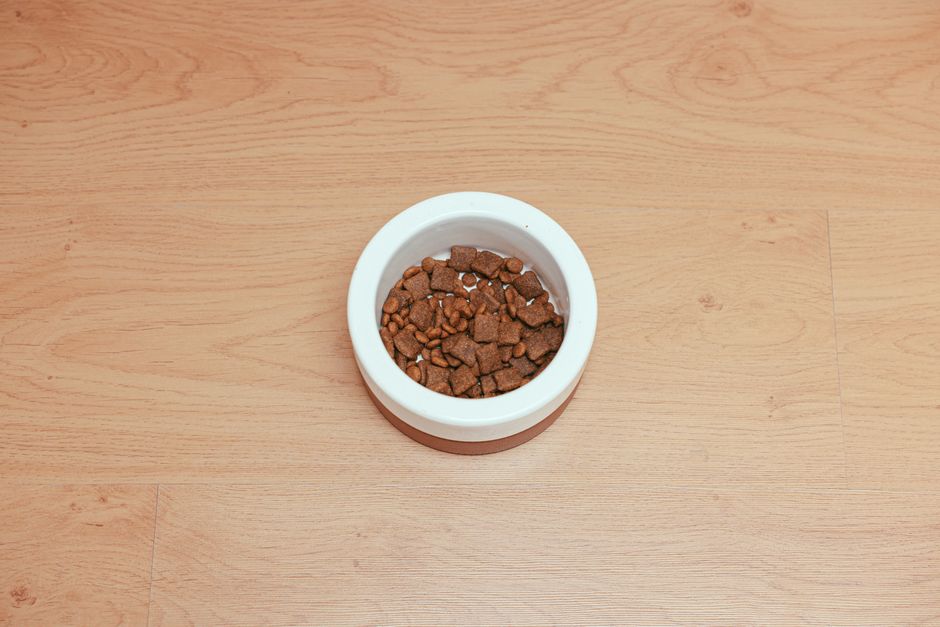
The question I hear most often from concerned cat owners is: "Can I make my cat's food at home?" The honest answer is both yes and no. Yes, you can. No, it's not as simple as cooking some chicken and adding vegetables.
As a pet care specialist, I've encountered countless well-intentioned owners who started making homemade cat food with genuine care—only to create nutritional imbalances that caused serious health problems over time. The tragedy is that these problems are entirely preventable with proper knowledge and planning.
Why Homemade Cat Food Appeals to Pet Owners
I understand the appeal. You control every ingredient. You know exactly what your cat is eating. There's no mystery about sourcing, recalls, or quality. For owners whose cats have specific health issues or food sensitivities, homemade diets can sometimes solve problems that commercial foods exacerbate.
But here's the uncomfortable truth: cats are obligate carnivores with extremely specific nutritional requirements. Their ancestors ate whole prey—muscle meat, organs, and bones. They evolved to extract specific nutrients from that diet. Creating a nutritionally balanced homemade cat food requires understanding what those specific requirements are.
The Nutritional Complexity of Cat Diets
This is where many homemade cat food projects fail. Most recipes people find online—even some published in books—have significant nutritional gaps.
Cats require:
- Protein: 30-40% of calories from complete, high-quality animal proteins
- Taurine: An essential amino acid found only in animal tissue; cats cannot synthesize it themselves
- Arachidonic acid: An omega-6 fatty acid found mainly in animal fats
- Vitamin A: Cats cannot convert beta-carotene to vitamin A, so they need preformed vitamin A from animal tissue
- Specific minerals: Calcium, phosphorus, magnesium, potassium, sodium
- B vitamins: Particularly thiamine, which is lost during cooking
The critical issue: a recipe that seems nutritionally complete based on muscle meat alone will be dangerously deficient in several areas. You need organ meats for certain nutrients, proper vitamin supplementation, and careful mineral balance.
According to research published in the Journal of Feline Medicine and Surgery, over 95% of homemade cat food recipes—including those from pet cookbooks and popular websites—contain at least one significant nutritional deficiency. Many contain multiple deficiencies.
You Might Also Enjoy
- Why Your Cat Is a Picky Eater and What to Do About It
- Wet Food vs. Dry Food for Cats: Which Is Actually Better?
- The Best Foods for Senior Dogs: Nutrition After Age Seven
- Can Cats Eat Onions? Why Alliums Are Toxic to Felines
What You Need to Know About Taurine
I need to give taurine its own section because it's that important. Cats cannot synthesize taurine; they must obtain it from their diet. Taurine deficiency causes dilated cardiomyopathy—a heart disease that can be fatal.
In the 1980s, before taurine was added to commercial cat foods, taurine deficiency was a major cause of feline heart disease and blindness. When taurine was added to commercial diets, these problems virtually disappeared. Then, in the 2000s, some cats on homemade diets developed taurine deficiency again.
The lesson: you cannot rely on taurine content in muscle meat alone. Even organ meats contain variable amounts of taurine depending on the source and handling.
If you make homemade cat food, you absolutely must:
- Include taurine supplementation (typically 200-500mg per day for an adult cat)
- Have the recipe formulated by a veterinary nutritionist
- Have your cat's blood taurine levels checked periodically
The Safest Approach: Working with a Veterinary Nutritionist
Honestly? This is the approach I recommend to anyone seriously considering homemade cat food. Your veterinarian can refer you to a board-certified veterinary nutritionist (Diplomate of the American College of Veterinary Nutrition, or ACVN).
A veterinary nutritionist will:
- Evaluate your cat's specific health status and nutritional needs
- Create a customized recipe appropriate for your cat's age, weight, and health conditions
- Include all necessary supplements (taurine, vitamins, minerals)
- Provide detailed preparation instructions
- Recommend periodic follow-up testing
Yes, this costs money—typically $300-500 for the consultation and recipe development. But compare that to the cost of treating dilated cardiomyopathy or other nutritional disease, and it's actually economical.
The BalanceIT.com website is a resource created by veterinary nutritionists to help people formulate balanced homemade pet diets. They provide micronutrient supplements specifically formulated for homemade diets, along with recipes they've reviewed for nutritional adequacy.
If You Find a Recipe Online: How to Evaluate It
If you're going to use a recipe from the internet or a cookbook, here's how to assess its quality:
Red flags that indicate an unbalanced recipe:
- No mention of taurine supplementation
- No mention of calcium supplementation
- Uses only muscle meat without organ meats
- Lacks detailed vitamin and mineral information
- Doesn't specify proportions or amounts
- Claims to be balanced without citing nutritional analysis
- Emphasizes "natural" over "balanced" (these aren't the same thing)
Better signs:
- Includes taurine supplementation
- Lists calcium-to-phosphorus ratio (should be roughly 1.2:1)
- Includes organ meats (liver, heart, kidneys) in specific proportions
- Provides detailed nutritional analysis
- Includes cooking instructions that don't destroy heat-sensitive nutrients
- Recommends regular veterinary monitoring
- Suggests periodic blood work to verify adequacy
Basic Homemade Cat Food Framework
If you're going to attempt homemade cat food, here's a basic framework. But please—work with a veterinary nutritionist to refine it for your specific cat.
Basic proportions for cooked diet:
- 50-80% muscle meat (chicken, turkey, beef, or fish)
- 5-10% organ meat (liver, heart, kidney)
- 5-10% fat (from the meat or added animal fat)
- 5-10% vegetable matter (optional; cats are obligate carnivores and don't require vegetables)
- Supplements: taurine, vitamins, minerals
Preparation basics:
- Cook meat thoroughly to eliminate pathogens
- Use low-purine meats if your cat has urinary health issues
- Cool before serving
- Store in airtight containers in the refrigerator (typically 2-3 days) or freeze
- Rotate protein sources to ensure dietary variety
Sample simplified recipe (still requires veterinary nutritionist review):
Per day for a 10-pound cat:
- 4 oz cooked muscle meat (chicken or turkey)
- 0.5 oz cooked organ meat (liver)
- 0.25 tsp fish oil
- 1/8 tsp salt
- 250mg taurine supplement
- Veterinary-formulated micronutrient supplement (per directions)
This is still just a framework—your cat's specific needs may differ significantly.
Raw vs. Cooked: The Safety Consideration
Some people advocate for raw homemade cat food (raw muscle meat, organs, and bones). While cats are evolutionarily adapted to eat raw prey, raw diets introduce food safety risks:
- Bacterial contamination: Raw meat can harbor E. coli, salmonella, and other pathogens
- Parasites: Raw meat may contain parasites
- Unbalanced nutrition: It's actually harder to create a balanced raw diet than a cooked one
- Household contamination: Raw meat handling increases food safety risks for the human household too
The Merck Veterinary Manual recommends cooking meat for homemade pet diets to eliminate foodborne pathogens. While raw feeding advocates argue that evolution favored this diet, modern food production doesn't match what wild cats would have encountered.
I recommend cooked homemade diets over raw—they're safer for both your cat and your household while still allowing nutritional customization.
When Homemade Diets Make Sense
Despite the complexity, there are legitimate situations where homemade cat food is beneficial:
Food allergies and sensitivities: If your cat reacts to multiple commercial diet proteins or has difficulty tolerating standard ingredients, a precisely formulated homemade diet using limited proteins can help identify and manage the problem.
Chronic kidney disease: Cats with CKD often benefit from controlled phosphorus, potassium, and sodium, which you can customize in a homemade diet.
Diabetes: Some cats with diabetes benefit from high-protein, low-carbohydrate diets that can be carefully formulated at home.
Picky eaters: A very small number of cats prefer freshly prepared food over commercial options.
For these situations, the time and cost investment in working with a veterinary nutritionist is absolutely worthwhile.
The Monitoring Reality
If you make homemade cat food, you can't just make it once and forget about it. Ongoing monitoring is essential:
- Annual veterinary exams to assess overall health
- Periodic blood work to check for nutritional imbalances (particularly taurine, calcium, phosphorus, and kidney function)
- Weight monitoring to ensure your cat maintains appropriate weight
- Appetite and energy level tracking
Some cats develop problems slowly. A taurine deficiency might take months to cause cardiomyopathy. A calcium deficiency might cause skeletal issues that don't appear until years later. Regular monitoring catches problems early.
The Bottom Line
Making homemade cat food is possible, but it's not simple. It's not cheaper than quality commercial food (once you factor in supplements and veterinary consultation). It's not automatically healthier than high-quality commercial diets formulated by nutritionists.
What it is: A tool for managing specific health situations when done properly with professional guidance.
If you want to make homemade cat food, do it with full awareness that you're taking on responsibility for precise nutritional formulation. Work with a veterinary nutritionist. Supplement properly. Monitor regularly.
If those steps seem like too much work—and I wouldn't blame you if they do—then a high-quality commercial cat food is genuinely the best choice. Modern commercial diets formulated by nutritionists are far more balanced than almost any homemade recipe, regardless of the source.
Are you feeding homemade cat food? How did you approach nutritional balance? I'd love to hear about your process in the comments.
Sarah Mitchell is a certified pet care specialist and author of Pawprint Journals. She lives in Portland, Oregon with her golden retriever, two rescue cats, and an impressive collection of indoor plants.