The naming confusion around chestnuts—horse chestnuts versus sweet chestnuts—causes genuine problems for dog owners trying to protect their pets. To make it worse, these trees often grow in similar environments, and many people don't know the distinction. But the difference in toxicity is profound: horse chestnuts are toxic to dogs and can cause serious poisoning, while sweet chestnuts are essentially non-toxic.
If you have chestnuts falling in your yard or neighborhood, correctly identifying which type determines whether you need to be vigilant about preventing your dog's access or whether you can relax.
Horse Chestnuts: The Toxic One
Horse chestnuts (Aesculus hippocastanum) contain aesculin, a glycoside compound that's toxic to dogs. Both the nuts and the leaves contain the toxin, but the nuts are the primary concern since dogs find them attractive.
Identifying horse chestnuts:
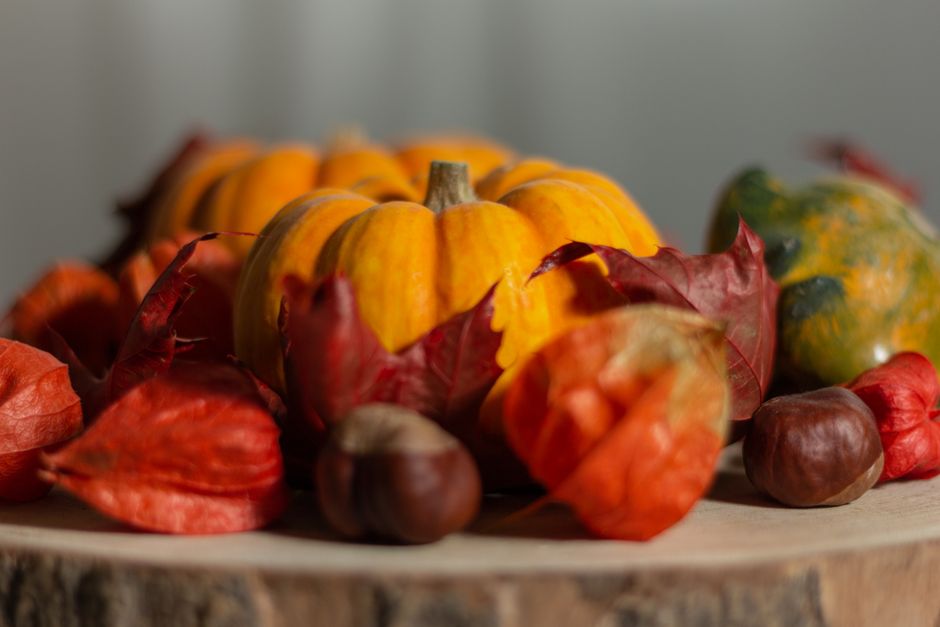
- Appearance: Large, glossy, dark brown nuts (called conkers) approximately 1-2 inches in diameter
- Outer covering: Smooth, round nut encased in a spiky green husk with a distinctive pattern (looks somewhat like a partially opened medieval mace)
- Leaf shape: Compound leaves with 5-7 large leaflets arranged like fingers on a hand
- Tree height: 50-80 feet, large ornamental tree
- Geographic range: Common in northeast U.S., Europe, increasingly planted as ornamental in temperate climates
- Flowering: Large, showy white or pink flowers in spring
- Timing: Nuts fall in autumn, husks split to reveal the brown nuts
The spiky husks and glossy brown nuts are visually distinctive once you know what to look for.
You Might Also Enjoy
- Black Walnut Trees and Dogs: Understanding the Toxicity Risk
- Cherry Trees and Dogs: Seeds, Bark, and Leaves All Pose Risks
- Chinaberry Trees: A Beautiful Backyard Tree That's Toxic to All Pets
- Mulberry Trees and Pets: Are the Berries Safe for Dogs to Eat?
Symptoms of Horse Chestnut Toxicity in Dogs
Symptoms typically appear within 1-6 hours of ingestion:
Gastrointestinal signs:
- Vomiting
- Diarrhea
- Abdominal pain
- Loss of appetite
Neurological signs:
- Tremors
- Weakness or incoordination
- Rear limb paralysis (in severe cases)
- Seizures (rare but possible)
Systemic signs:
- Excessive salivation
- Dilated pupils
- Hypothermia or fever
The severity depends on quantity consumed. A dog that chews on one nut might experience mild symptoms, while consumption of multiple nuts causes more severe signs.
Sweet Chestnuts: The Non-Toxic Alternative
Sweet chestnuts (Castanea sativa) are completely different plants, despite the confusing name similarity. They're safe for dogs and cause no toxicity concerns.
Identifying sweet chestnuts:
- Appearance: Smaller than horse chestnuts, typically ½ to 1 inch diameter
- Outer covering: Shiny brown nuts encased in a spiky husk that's denser and more uniform than horse chestnut husks
- Leaf shape: Long, narrow, lance-shaped leaves with serrated edges (look like willow-type leaves, not compound hand-like leaves)
- Tree height: Often smaller than horse chestnuts, 30-60 feet typical
- Geographic range: Less common in landscaping; more common in southern U.S. and Europe
- Flowering: Much smaller, less showy flowers than horse chestnuts
- Nuts: Edible; humans have eaten them for centuries
- Timing: Nuts fall in autumn, husks open to reveal nuts
The key distinguishing feature: sweet chestnut leaves are long and narrow, while horse chestnut leaves are compound and hand-like.
How to Tell Them Apart: Side-by-Side Comparison
Horse Chestnut:
- Compound leaves (multiple leaflets per leaf)
- Leaves arranged like fingers on a hand
- Leaflets have serrated edges
- Large, glossy, smooth nuts
- Spiky husks with distinct pattern (looks like a mace)
- Large showy flowers
Sweet Chestnut:
- Simple leaves (single leaf per stem)
- Long, narrow, lance-shaped
- Heavily serrated leaf edges
- Smaller, dull-finish nuts
- Dense, uniform spiky husk
- Small, inconspicuous flowers
What to Do If Your Dog Ingests Horse Chestnuts
If you suspect your dog ate a horse chestnut nut or leaves:
-
Contact your veterinarian immediately. Don't wait for symptoms—early intervention prevents severity.
-
Have information ready:
- Estimated number of nuts or leaves consumed
- Time of ingestion
- Your dog's weight
- Any symptoms observed
-
Expect decontamination if caught early:
- Inducing vomiting within 2-4 hours of ingestion
- Activated charcoal to bind toxins
-
Supportive care:
- IV fluids if needed
- Anticonvulsants if seizures occur
- GI supportive medications
Prevention: Managing Horse Chestnut Exposure
If horse chestnuts grow in your yard or nearby:
- Restrict access: Keep your dog away from areas where nuts are falling
- Clean regularly: Rake and remove fallen nuts and husks
- Supervise outdoor time: Keep your dog in sight during walks near horse chestnut trees
- Consider removal: If horse chestnuts are in your own yard, professional removal eliminates the risk
If you suspect a neighborhood tree is a horse chestnut, confirm identification before walking your dog nearby. Just because a tree produces nuts doesn't make them automatically toxic—correct identification is essential.
The Sweet Chestnut Advantage
If you love the appearance of chestnut trees but want a safer option, sweet chestnuts provide similar aesthetic beauty without toxicity concerns. They're edible for humans and entirely safe for pets.
Alternatively, other ornamental trees provide similar visual appeal without toxicity: oak trees, beech trees, or various evergreens, depending on your climate and preferences.
The Bottom Line
Horse chestnuts are toxic to dogs, but sweet chestnuts are not. If you encounter chestnuts in your environment, correctly identify which type determines your management strategy.
Learn to recognize the key differences: compound hand-like leaves mean horse chestnut (toxic); long narrow leaves mean sweet chestnut (safe). When in doubt, consult a local nursery or arborist for identification.
Your vigilance in identifying trees in your pet's environment is an essential safety measure that prevents poisoning emergencies.
For more information about toxic plants and trees, consult the ASPCA's plant database.
Sarah Mitchell is a toxicology specialist and environmental safety consultant based in Portland, Oregon, helping pet owners identify and manage outdoor hazards.