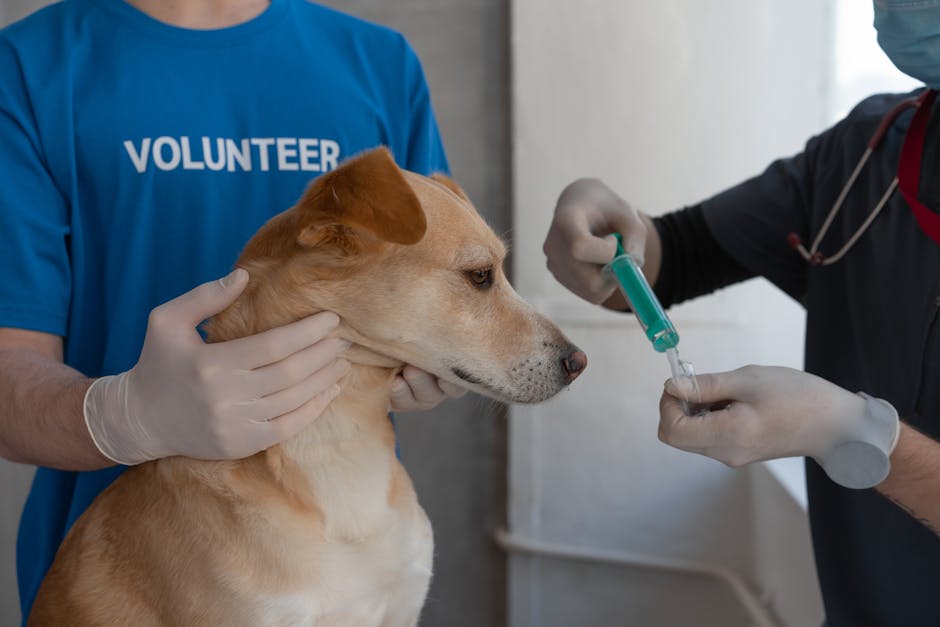
When my friend Sophie rushed her golden retriever to the emergency vet last year with a bloat emergency, she faced a $4,500 bill. She was devastated—not just because her pup was sick, but because that expense took a serious toll on her family's budget. If only she'd had pet insurance, things might have looked very different.
I've counseled countless pet owners through this exact scenario, and it's one of the biggest reasons I recommend exploring pet insurance options before disaster strikes. But here's the thing: pet insurance isn't a one-size-fits-all product. Understanding how it works, what it covers, and what it doesn't is absolutely essential before you buy.
How Pet Insurance Actually Works
Unlike human health insurance where you get a deductible, copay, and the insurer handles payments directly with providers, pet insurance works differently—and this distinction matters.
Most pet insurance plans operate on a reimbursement model. Here's the process:
- You pay the full vet bill upfront
- You submit a claim to your insurance company with receipts and invoices
- The insurer reviews the claim and reimburses you a percentage of eligible expenses
This means you need cash available at the vet's office. Some practices offer payment plans, but you're ultimately responsible for getting that credit.
Understanding Premiums, Deductibles, and Coverage Percentages
Three numbers determine your actual out-of-pocket costs: your monthly premium, your annual deductible, and your reimbursement percentage.
Premiums vary wildly based on your pet's age, breed, location, and the plan you choose. In 2024, average monthly premiums ranged from $20 for basic young-dog coverage to $150+ for senior pets with comprehensive plans. The younger you insure your pet, the lower your lifetime premiums will be, since many insurers won't cover pre-existing conditions.
Deductibles work like auto insurance—you pay this amount out of pocket before coverage kicks in. Common options are $250, $500, or $1,000 annually. Higher deductibles mean lower monthly premiums.
Reimbursement percentages typically range from 70% to 90%, meaning you still pay 10-30% of covered claims. Some plans offer 100% reimbursement but charge correspondingly higher premiums.
Let me give you a practical example: Say your cat needs a $2,000 dental cleaning. With a $500 annual deductible, 80% reimbursement, and you've met your deductible:
- You pay: $500 (deductible) + $400 (20% coinsurance) = $900
- Insurance pays: $1,100
What Pet Insurance Actually Covers
This is where things get complicated. Most plans cover:
- Accidents and illnesses: Broken bones, infections, cancer, diabetes, allergic reactions
- Medications: Both prescription and over-the-counter medications prescribed by your vet
- Diagnostic tests: X-rays, blood work, ultrasounds, MRIs
- Surgical procedures: Including emergency surgery
- Hospitalization and specialist care: Emergency clinics and board-certified specialists
However, virtually all plans specifically exclude:
- Pre-existing conditions: Any condition your pet had before the policy started (and sometimes for a waiting period after enrollment)
- Routine care: Vaccinations, annual exams, nail trims, flea prevention (though some plans offer optional add-ons)
- Breeding-related issues: Pregnancy, spaying, neutering (though spay/neuter can often be covered through preventive add-ons)
- Behavioral problems: Training costs and behavior modification typically aren't covered
Some plans also have breed-specific exclusions. For example, a plan might exclude hip dysplasia coverage for German Shepherds or heart conditions for Boxers, since these breeds are predisposed.
Annual and Lifetime Limits Matter More Than You'd Think
When comparing plans, check if there are annual caps or lifetime caps on what you can claim. A plan might reimburse 80% of bills, but if your policy caps reimbursement at $10,000 annually, a serious chronic illness could exceed that quickly.
Some insurers no longer offer lifetime caps, which is consumer-friendly. Others impose them, so you absolutely need to know your plan's limits. For a pet with a chronic condition like diabetes or Cushing's disease, unlimited coverage could save thousands over your pet's lifetime.
When Pet Insurance Actually Saves Money
Pet insurance makes financial sense when:
- Your pet is young and you lock in lower premiums for years
- Your pet is a breed prone to expensive genetic conditions (bulldogs, retrievers, large breeds)
- You want financial protection against emergency surgery costs
- You can consistently cover the upfront costs and submit claims promptly
The math doesn't usually work if:
- Your pet is already elderly (premiums become prohibitively expensive)
- Your pet has multiple pre-existing conditions (limiting what's covered)
- You're unlikely to seek veterinary care due to cost concerns (because insurance only helps after you've paid)
Finding the Right Plan for Your Situation
Start by determining what coverage matters most to your situation. Are you worried about emergency surgeries? Chronic disease management? Cancer treatment? Your priorities should drive your plan selection.
Compare at least three insurers. Major providers include Nationwide, Healthy Paws, Embrace, and ASPCA Pet Health Insurance, but there are many others. Each has different coverage structures and exclusion lists.
Check independent reviews on sites like ConsumerAffairs and Google, but remember that people often post when they've had claims denied. Read about why denials happened—sometimes it's because people didn't understand their policy.
Finally, ask your veterinarian which insurers they work with most. Some vets have better experience submitting claims for certain companies, which could make your life easier.
You Might Also Enjoy
- Why Annual Wellness Exams Matter More Than You Think
- How to Build a Pet First Aid Kit: Essential Supplies Every Owner Needs
- Common Signs of Dental Disease in Dogs and Cats
- Obesity in Pets: The Growing Health Crisis and How to Reverse It
Resources and Next Steps
For comprehensive information about pet insurance options and ratings, check The Zebra's pet insurance guide, which offers detailed comparisons. The ASPCA also provides consumer information about coverage considerations.
If you're still on the fence, consider getting quotes from 2-3 insurers for your specific pet. Most companies provide estimates based on your pet's age, breed, and location. Seeing concrete numbers for your situation often clarifies whether it's the right financial choice.
Pet insurance won't prevent illness or injury, but it can prevent financial catastrophe when your beloved companion needs expensive care. For many pet owners, that peace of mind alone is worth the investment.
Sarah Mitchell is a pet care specialist and veterinary advisor based in Portland, Oregon, with over 10 years of experience helping pet owners make informed healthcare and financial decisions.