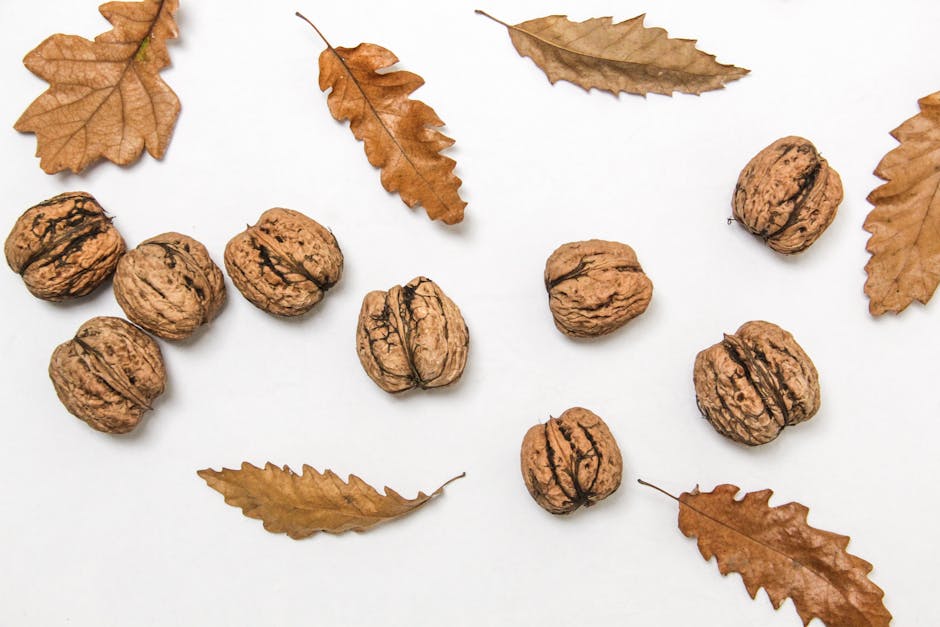
Fall arrives with vibrant foliage, cooler temperatures, and the explosion of acorns covering yards across America. For dog owners, this seasonal shift brings a genuine hazard many don't consider: acorn toxicity. I've seen otherwise healthy dogs hospitalized in autumn, all because their owners didn't realize that the little nuts their dogs were snacking on could cause serious kidney damage.
Acorn toxicity isn't one of the most famous pet poisons, so it often catches owners off guard. But if you have oak trees on your property or frequent areas where oak trees grow, understanding acorn toxicity is essential knowledge.
The Science of Acorn Toxicity
Acorns contain tannic acid—a naturally occurring compound that provides the acorn's bitter taste and serves protective functions for the tree. Tannic acid is hepatotoxic and nephrotoxic, meaning it damages the liver and particularly the kidneys.
The severity of toxicity depends on:
- Species of oak: Some oak species contain higher tannin concentrations than others. White oak acorns contain less tannin than red oak, but both can cause problems.
- Quantity consumed: A single acorn is unlikely to cause serious toxicity. Repeated consumption or consumption of numerous acorns significantly increases risk.
- Individual dog factors: Smaller dogs are affected more severely than large dogs from the same quantity. Dogs with pre-existing kidney or liver disease are at higher risk.
- Processing: Raw acorns are more toxic than partially processed acorns (older acorns that have begun decomposing have reduced tannin content, though this doesn't make them safe).
The ASPCA Animal Poison Control Center treats many acorn toxicity cases yearly, particularly in regions with abundant oak trees.
You Might Also Enjoy
- Black Walnut Trees and Dogs: Understanding the Toxicity Risk
- Chinaberry Trees: A Beautiful Backyard Tree That's Toxic to All Pets
- Yew Trees and Pets: One of the Most Toxic Trees in Your Neighborhood
- Apple Trees and Pets: When a Backyard Favorite Becomes a Hazard
Symptoms of Acorn Toxicity
Acorn toxicity doesn't manifest immediately. Dogs might consume acorns over several days or weeks before symptoms appear. This delayed onset makes the connection between acorns and illness less obvious to owners.
Early signs (24-72 hours after consumption):
- Vomiting
- Diarrhea (often watery and dark-colored)
- Constipation (alternating with diarrhea)
- Abdominal pain
- Lethargy and depression
- Loss of appetite
Progressive symptoms (if exposure continues untreated):
- Bloody diarrhea
- Dehydration
- Increased thirst and urination (indicating kidney involvement)
- Weight loss
- Pale gums (suggesting liver involvement)
If your dog shows any combination of these symptoms during fall and has access to areas with acorns, contact your veterinarian immediately. Don't wait for the symptoms to worsen.
Diagnosis and Treatment
Diagnosing acorn toxicity can be tricky because the symptoms overlap with many other conditions. Veterinarians rely on:
- Clinical history: Did the dog have access to acorns?
- Blood work: Elevated kidney and liver enzyme levels
- Urinalysis: Examining kidney function markers
- Abdominal ultrasound: In some cases, to rule out other causes
Treatment is largely supportive since there's no antidote for tannic acid. Management includes:
- IV fluids: Supporting kidney function and correcting dehydration
- Anti-nausea medication: Managing vomiting
- Dietary management: Easy-to-digest foods
- Monitoring: Bloodwork tracking kidney and liver function
- Rest: Minimizing stress on the system
Mild cases might resolve with outpatient management and careful monitoring. Severe cases involving kidney failure require hospitalization and intensive care, potentially costing thousands of dollars.
Most dogs recover from mild acorn toxicity with early treatment. Severe cases with established kidney damage may have lasting effects on kidney function.
Yard Management: The Best Prevention
The most effective approach is preventing access to acorns. This requires seasonal vigilance during fall—specifically September through November in most regions, though timing varies by location and oak species.
Strategies:
- Rake and remove acorns: This is the most effective but labor-intensive approach. Rake acorns regularly—ideally twice weekly during peak fall season. Don't leave acorns accumulating on the ground.
- Prevent access to affected areas: If you have oak trees on your property, restrict your dog's unsupervised access during fall. Supervise yard time and direct your dog away from areas where acorns accumulate.
- Netting: In some cases, placing netting under oak trees prevents acorns from accumulating on the ground, though this is impractical for large trees.
- Trim low branches: This is a long-term solution but reduces acorn accessibility for dogs.
For dogs living near public parks or forests with many oak trees, it's particularly important to maintain constant supervision during fall walks. A dog can consume acorns quickly if motivated to do so.
Recognizing Problematic Dogs
Some dogs are acorn-magnets—they have intense interest in small objects and snack on whatever they find. If your dog falls into this category:
- Extra vigilance during fall is essential
- Teach a strong "leave it" command
- Consider muzzle training to prevent snacking on items during walks
- Keep your dog on-lead in areas with acorns
Dogs with pica (compulsive eating of non-food items) are at particular risk. If your dog has pica, discuss behavioral management with a veterinary behaviorist and manage the environment aggressively.
Other Oak Tree Hazards
Acorns aren't the only oak-related hazard:
Oak leaves: Fresh oak leaves also contain tannins and can cause toxicity if consumed in quantity. This is less common than acorn toxicity since leaves are less palatable.
Oak wood: If you burn oak wood in a fireplace or outdoor fire, don't allow dogs to eat wood or charcoal from the fire. Charcoal toxicity is different from tannin toxicity but is equally serious.
Regional Considerations
Oak species vary by region, and tannin content differs:
Eastern regions: White oak, red oak, and black oak are common. White oak acorns have lower tannin content but remain toxic.
Western regions: Various oak species exist depending on specific location. California Live Oak and other species are common in the West.
Check what oak species grow in your region and their acorn production patterns. Your local extension office or cooperative extension service can provide specific information about local oak species and typical acorn seasons.
When to Contact a Veterinarian
Call your veterinarian or an emergency clinic immediately if:
- Your dog consumed a large quantity of acorns
- Your dog shows any symptoms of acorn toxicity
- You're uncertain whether your dog consumed acorns but they're displaying gastrointestinal symptoms during fall
For toxicity questions after hours, the ASPCA Animal Poison Control Center operates 24/7. They can assess your specific situation and advise on emergency care needs. A consultation fee applies but may be worth the expert guidance.
Long-Term Monitoring
If your dog previously consumed acorns or was treated for acorn toxicity, monitor them more carefully during subsequent falls. Some damage to kidney function may have occurred, even if the dog seemed to recover fully.
Annual bloodwork becomes more important if your dog has a history of acorn consumption. Early detection of kidney issues allows for dietary and medical management that can slow progression.
The Bottom Line
Acorn toxicity is preventable through environmental management. If you have oak trees on your property or live in an area with abundant oak trees, fall yard maintenance should include regular acorn removal. Supervise your dog during fall months, particularly if they have a tendency to snack on ground items.
Most acorn toxicity cases are preventable. Your awareness and proactive management are the best protection for your canine companion.
Sarah Mitchell is a pet care specialist based in Portland, Oregon, with expertise in seasonal pet hazards and toxic plant identification for pet owners.