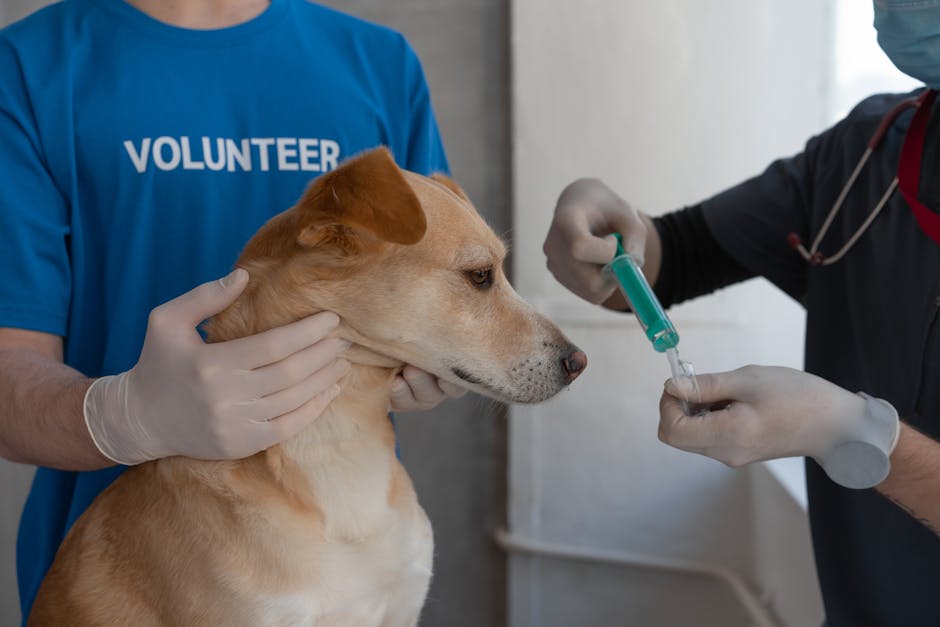
I started taking a pet obesity screening approach at my practice several years ago, and the results were staggering. Out of 100 consecutive dog and cat visits, 58 were overweight or obese. That stat aligns with national data showing that more than half of dogs and cats in the United States are above a healthy weight.
This isn't a vanity issue. Obesity in pets is a genuine medical crisis causing documented suffering and premature death. Yet many owners don't recognize their overweight pet as being at risk. They see a chunky dog and think "he just likes food." They see a round cat and think "she's got a big frame." In reality, that dog is probably experiencing joint pain, reduced lifespan, and metabolic dysfunction. That cat might develop diabetes.
Understanding the seriousness of pet obesity and the concrete steps to reverse it can literally add years of healthy life to your companion.
The Scope of the Problem
According to the Association for Pet Obesity Prevention (APOP), approximately 56% of dogs and 60% of cats in the US are overweight or obese. These aren't subjective assessments—these are animals whose weight clearly exceeds what would be healthy for their breed, age, and frame.
What's more concerning is that obesity in pets isn't stable. The trend is worsening. As owners' understanding of pet nutrition has stagnated while portion sizes and treat availability have increased, pet obesity has become epidemic.
Why Pet Obesity Matters: The Health Consequences
Pet obesity isn't just about appearance. It's a genuine disease state with documented health consequences:
Reduced Lifespan
Studies on Labrador Retrievers (a breed with good obesity data) show that overweight dogs live on average 2.5 years less than their lean counterparts. A healthy-weight dog living to age 12 might only reach age 9.5 if overweight. That's years of life lost.
Cats show similar patterns. Obesity shaves years off their lifespan through multiple mechanisms.
Joint Disease and Arthritis
Excess weight forces joints to carry loads they weren't designed for. An overweight 60-pound dog is asking their joints to support a 70-pound frame. This accelerates osteoarthritis, leads to chronic pain, and reduces mobility.
Diabetes
Obesity is the primary risk factor for Type 2 diabetes in cats. Overweight cats develop insulin resistance. Some research suggests as much as 90% of cats with feline diabetes are overweight. Remarkably, weight loss can actually reverse diabetes in some cats, sending them into remission without ongoing medication.
Heart Disease
The heart has to work harder to pump blood through extra tissue. Overweight pets often develop cardiac disease earlier and more severely than lean pets.
Respiratory Problems
Extra abdominal and thoracic fat compresses the lungs and airway. Overweight pets have reduced exercise tolerance, pant more, and are at higher risk for respiratory distress.
Cancer
Obesity is linked with increased cancer risk in pets. Overweight dogs have higher rates of certain cancers, and the association is strong enough that weight management is considered a cancer prevention strategy.
Immune Dysfunction
Obesity impairs immune function. Overweight pets have more infections, slower recovery from illness, and poorer vaccine response.
Reduced Quality of Life
Beyond specific diseases, overweight pets simply have worse quality of life. They play less, move less, sleep more, and experience less of the joy that makes pet ownership rewarding.
You Might Also Enjoy
- Why Annual Wellness Exams Matter More Than You Think
- Pet First Aid Basics: How to Handle Emergencies Before Reaching the Vet
- Your Pet's First Vet Visit: What to Expect and How to Prepare
- How to Build a Pet First Aid Kit: Essential Supplies Every Owner Needs
Why Obesity Develops in Pets
Straightforward Caloric Excess
Most pet obesity comes down to simple math: pets consuming more calories than they expend. Modern pet foods are often energy-dense (calorie-rich), treats are abundant and easy to give, and many pets have reduced activity.
Underestimation of Treat Calories
Many owners don't realize how many calories treats contribute. A dog getting one biscuit daily might be getting 50-100 extra calories. Over a year, that's 18,000-36,000 extra calories—equivalent to gaining 5-10 pounds.
Free-Feeding and Portion Loss
Leaving food out all day or not measuring portions means pets eat until satiated, often overeating. Some dogs will eat until they're uncomfortable if food is continuously available.
Metabolic Changes
After spaying or neutering, dogs and cats have reduced metabolic rates. Many owners don't adjust portions after these surgeries, contributing to weight gain.
Medical Conditions
Hypothyroidism (in dogs), Cushing's syndrome, and other endocrine conditions can predispose to obesity. These should be ruled out before attributing all weight gain to diet.
Owner Guilt and Food as Affection
Many owners use food as a primary way to show love or manage behavior. Giving treats becomes a way to bond. This emotional component is real and worth acknowledging.
Assessing Whether Your Pet Is Overweight
Rather than relying on weight charts (which vary by breed and individual), use these body condition scoring methods:
Visual Assessment
Looking at your pet from above:
- Ideal: You see a distinct waist between ribcage and hips
- Overweight: The waist is indistinct or bulging outward
- Obese: No waist definition, prominent abdominal bulging
Palpation (Touch) Assessment
Running your hands along the ribcage:
- Ideal: You can feel ribs easily with gentle pressure but not see them prominently
- Overweight: Ribs are difficult to feel; there's a thick fat layer
- Obese: Ribs are impossible to feel; there's prominent abdominal fat
Professional Assessment
Your veterinarian can score your pet's body condition on a 9-point scale. A score of 4-5 is ideal; 6-7 is overweight; 8-9 is obese.
The Weight Loss Plan: How to Actually Do It
Weight loss in pets isn't complicated, but it requires commitment and honesty about food intake.
Step 1: Accurate Calorie Counting
Determine your pet's ideal weight (work with your vet). Calculate daily caloric needs for that weight, then feed about 80-90% of that amount while losing weight.
Most dogs need roughly 30 calories per pound of ideal body weight. A 30-pound dog ideally needs about 900 calories daily. If trying to lose weight, feed 720-810 calories daily.
Track everything: meals, treats, table scraps, rawhides, dental chews. It all counts.
Step 2: Diet Modification
Option 1: Reduce Portions of Current Food
- Measure food with a scale or measuring cup
- Feed smaller portions at each meal
- No free-feeding; specific meal times
Option 2: Switch to a Weight Management Diet
- Prescription or commercial weight management diets are formulated lower in calories and higher in fiber
- They provide satiety with fewer calories
- Often recommended for pets losing significant weight
Option 3: Increase Fiber Without Increasing Calories
- Adding canned pumpkin or green beans to meals increases volume without many calories
- Fiber promotes satiety
Step 3: Exercise Increase
Increasing activity is essential, but approach gradually, especially with overweight pets. Joint stress is an issue.
For Dogs:
- Start with short, slow walks (10-15 minutes daily)
- Gradually increase duration over weeks
- Add play sessions
- Swimming or hydrotherapy is excellent if available (no joint stress)
For Cats:
- Increase interactive play with toys
- Use laser pointers, feather wands, balls
- Climbing and jumping activities
- Even 10-15 minutes of active play daily makes a difference
Step 4: Treat Management
This is often the hardest part. Treats should constitute no more than 10% of daily calories.
For a 30-pound dog eating 720 calories daily, treats should be under 72 calories. That's about 1-2 small training treats, not handfuls of biscuits.
Better yet:
- Use low-calorie treats (carrot sticks, green beans, plain cooked chicken)
- Reserve treats only for training
- Eliminate "just because" treats
- Make treats count toward daily caloric intake
Step 5: Monitoring and Adjustment
- Weigh your pet every 2-4 weeks
- Expect 1-2% of body weight lost per week (a 50-pound dog losing 1-2 pounds weekly)
- If weight isn't decreasing, calories need to be further reduced
- Celebrate milestones
Timeline and Realistic Expectations
Weight loss in pets, like in humans, is gradual. A 50-pound dog at ideal weight of 35 pounds needs to lose 15 pounds. At 2 pounds weekly, that's 7.5 weeks. More commonly, it's 10-20 weeks. During this time, owners must remain committed.
The good news: Once pets start losing weight and their activity increases, they feel better. Many owners report their pets become more playful, interactive, and energetic as weight decreases. This reinforces the motivation.
Medical Considerations
Before starting weight loss:
- Have your vet rule out thyroid disease (in dogs) or other metabolic conditions
- Ensure your pet's joints can handle increased exercise
- Discuss medications or conditions that might affect weight loss
- Some pets benefit from L-carnitine supplements during weight loss
- Prescription diets might be recommended for severe obesity
Managing the Emotional Component
Many owners struggle with the guilt of restricting food. Your pet asking for treats or food doesn't mean they're starving—it means they want food. There's a difference. Learning to say no to food requests (while providing attention, play, and other forms of affection) is a crucial emotional shift.
Remember: You're not depriving your pet. You're extending their life and improving their quality of life. That's love.
The Success Stories
Overweight pets that successfully lose weight often transform. A chunky dog that couldn't jump on furniture regains the ability. A round cat stops struggling to move and starts playing again. Arthritic pain decreases. Health markers improve. Owners consistently report that their pet seems years younger after weight loss.
These transformations are real. They're not just about appearance—they're about reclaiming years of health and mobility.
The Bottom Line
Pet obesity is preventable and largely reversible. It's also one of the most impactful health interventions you can make as a pet owner. Unlike genetic diseases or conditions requiring expensive treatment, weight loss is fundamentally about commitment to portion control and exercise.
It's not complicated. It's not expensive. It's just requires honesty about food intake and consistency in implementation.
Your overweight pet isn't destined to a shortened life. They're just carrying extra weight that can be reduced. Start today. Talk with your vet. Count calories. Increase activity. Be patient.
Your pet will thank you—with years of additional healthy, active life.
References