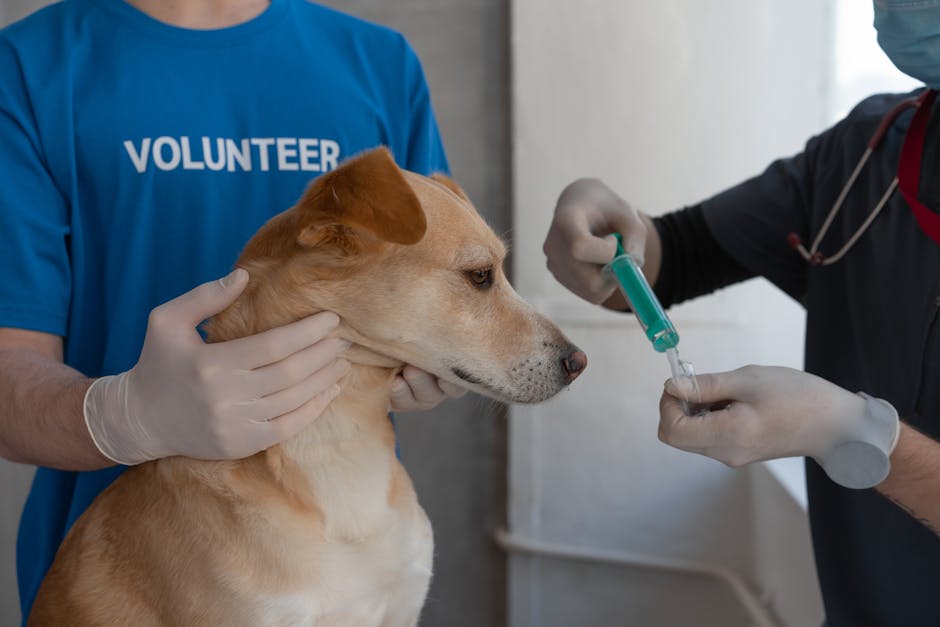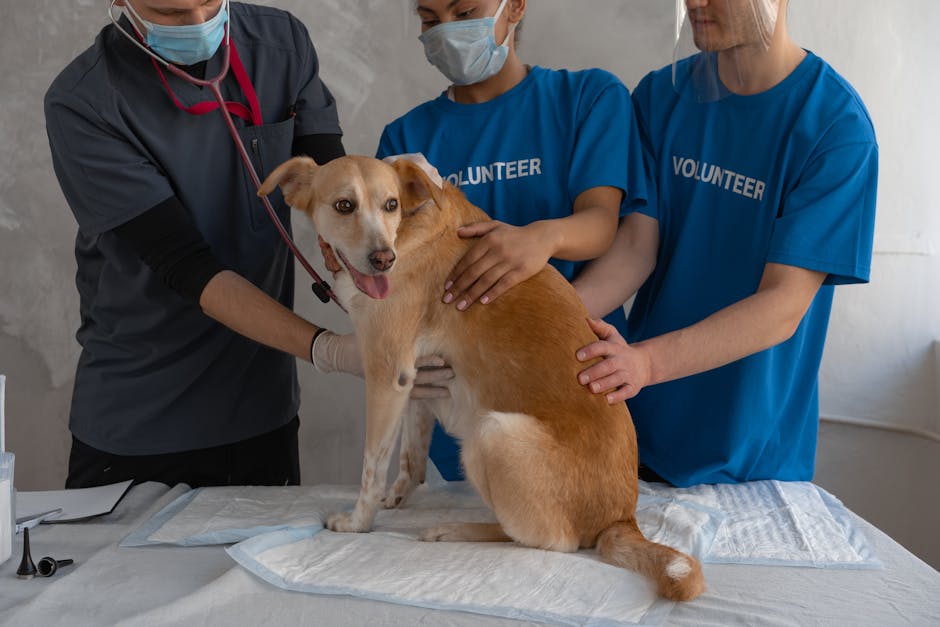
The emergency happens without warning: your dog collapses, your cat stops breathing, your pet is bleeding profusely. Those first five minutes—before you reach the veterinary clinic—could determine whether your pet survives. Knowing basic first aid isn't optional for pet owners. It's essential.
I'm not suggesting you become a veterinarian. Rather, understanding how to keep your pet stable, control bleeding, and perform CPR could literally save your pet's life. These aren't theoretical skills—they're practical knowledge that changes outcomes in genuine emergencies.
Essential First Aid Supplies
Before emergencies happen, assemble a pet first aid kit. Keep it in an easily accessible location and familiarize your household with its location.
Your kit should include:
- Bandaging materials: Gauze pads, self-adhesive wrap, medical tape
- Antiseptic supplies: Saline solution (for flushing wounds), antiseptic wipes
- Medications: Antibiotic ointment, hydrocortisone cream
- Tools: Tweezers (for splinters, ticks), blunt scissors, thermometer
- Supplies: Gloves, muzzle (discussed below), leash, carrier for cats
- Documentation: List of emergency vet contact information, your pet's medical history, recent photos
Keep this kit regularly maintained. Check expiration dates quarterly and replace used items.
You Might Also Enjoy
- Why Annual Wellness Exams Matter More Than You Think
- Obesity in Pets: The Growing Health Crisis and How to Reverse It
- Your Pet's First Vet Visit: What to Expect and How to Prepare
- How to Build a Pet First Aid Kit: Essential Supplies Every Owner Needs
Controlling Bleeding
Uncontrolled bleeding is immediately life-threatening. Your goal is stopping the bleeding before your pet goes into shock.
For minor bleeding (small cuts):
- Gently clean the wound with saline solution
- Apply direct pressure with clean gauze for 5-10 minutes
- Once bleeding stops, apply antibiotic ointment
- Cover with a bandage if possible
For severe bleeding:
- Call your veterinary emergency clinic immediately
- Apply direct, firm pressure with clean gauze
- Don't remove gauze to check the wound—this disrupts clotting. Add more gauze on top if blood soaks through
- Maintain pressure for at least 15 minutes (longer for severe bleeding)
- Once bleeding slows, wrap the area gently but firmly to maintain pressure
- Keep your pet still and calm
- Transport to emergency care
For arterial bleeding (spurting blood):
- Elevate the injured area if possible
- Apply firm, sustained pressure
- If pressure alone doesn't work, you may need to apply a tourniquet above the wound (between the wound and the heart). Use something thin but strong (not a cord that cuts off circulation completely). You have about 2 hours maximum before tissue damage occurs from lack of circulation.
- Transport immediately to emergency care
Assessing Responsiveness and Breathing
In unconscious pets, you need to assess breathing quickly:
- Look for chest rise and fall
- Feel for breath by placing your hand near the nose/mouth
- Listen for breathing sounds
If your pet is unresponsive but breathing:
- Place in recovery position: lying on their side with the head slightly extended
- Monitor breathing and pulse
- Transport to emergency care
- Don't give food or water (could cause aspiration)
If your pet is unresponsive and not breathing, proceed to CPR.
Pet CPR: When and How
CPR for pets differs from human CPR. You're performing chest compressions and rescue breathing.
Recognizing when CPR is needed:
- Pet is unresponsive
- Pet is not breathing
- Pet has no detectable pulse
Finding the pulse:
- For dogs: Inside the hind leg where the femoral artery crosses the thighbone
- For cats: Inner thigh or inside the front leg
Performing CPR:
- Place your pet on a firm surface with the right side down
- Place the heel of one hand over the widest part of the chest
- Place your other hand on top
- Compress the chest firmly and rapidly at a rate of 100-120 compressions per minute
- Push hard enough to compress the chest by about one-third of its depth
- After 30 compressions, give two rescue breaths (if you're trained and comfortable)
- Close the mouth, seal your mouth around the nose, and blow gently
- Continue CPR for at least 20-30 minutes or until you reach emergency care
Call emergency services during CPR—don't stop to make the call. CPR alone doesn't revive pets; it maintains circulation until professional treatment begins.
Managing Choking
A choking pet needs rapid intervention:
- Try to open the mouth and look for the obstructing object
- If visible and easily accessible, remove it
- Don't push the object deeper
- Perform abdominal thrusts (Heimlich maneuver):
- For dogs: Stand behind, place fists just behind the ribcage
- Push firmly up and forward 5-6 times
- Check if the object dislodges
- Transport immediately to emergency care if unsuccessful
Never spend more than a minute attempting removal. Proceed to emergency care quickly if the object doesn't dislodge.
Treating Shock
Shock (hypovolemic shock from blood loss, septic shock from infection, etc.) is immediately life-threatening. Signs include:
- Rapid, weak pulse
- Pale gums
- Lethargy and unresponsiveness
- Shallow breathing
- Cold limbs
Managing shock:
- Call emergency services immediately
- Keep your pet warm with blankets
- Elevate the hind legs slightly (unless spinal injury is suspected)
- Don't give food or water
- Transport immediately
- Minimize stress and handling (this worsens shock)
Fractures and Immobilization
If you suspect a fracture:
- Minimize movement of the injured area
- Apply cold compress if available (reduces swelling)
- For limb fractures: Gently wrap with padding and support with a makeshift sling or splint
- For spinal injuries: Keep the spine as straight as possible during transport. Don't allow the pet to jump or move excessively
- Transport carefully to emergency care
Severe Burns and Wounds
For severe burns:
- Cool the burn with cool (not ice-cold) water for 10-15 minutes
- Don't apply ice directly (causes additional tissue damage)
- Apply sterile bandaging
- Transport to emergency care
- Don't apply creams or ointments (interferes with treatment)
For puncture wounds or deep lacerations:
- Clean gently if possible
- Don't close or suture yourself (risk of infection)
- Bandage loosely if it's bleeding
- Transport to emergency care
- Deep wounds often require surgical closure
Poisoning and Toxin Exposure
If you suspect poisoning:
- Call the ASPCA Animal Poison Control Center (24/7)
- Have information ready: what substance, how much, when
- Follow guidance from the poison center
- If directed to seek veterinary care, transport immediately
- Don't induce vomiting unless specifically directed (some toxins cause more damage coming up)
- Bring the suspected toxin or its container to the veterinary clinic
Heat Stroke and Hypothermia
Heat stroke (overheating):
- Excessive panting, drooling, lethargy
- Immediately move to shade
- Apply cool (not ice-cold) water to the body
- Offer small amounts of cool water to drink
- Transport to emergency care
Hypothermia (dangerous cold):
- Shivering, lethargy, unresponsiveness
- Move to a warm location
- Warm gradually with blankets
- Don't apply direct heat (can damage tissue)
- Offer warm (not hot) beverages
- Transport to emergency care
Muzzling and Handling Injured Pets
An injured pet might bite, even if it normally doesn't. Protection is important.
For dogs, an emergency muzzle can be made from a rope or strip of cloth:
- Loop the material around the muzzle
- Cross it under the jaw
- Bring the ends behind the head and tie
Don't muzzle if the pet is having difficulty breathing or is vomiting (risk of aspiration).
For cats, use a carrier when possible to prevent handling stress.
Transportation to Emergency Care
Before emergencies happen:
- Know where your nearest 24-hour emergency veterinary clinic is located
- Have their address and phone number saved in your phone
- Plan a route there
- Keep your pet's carrier (for cats) in an accessible location
During transport:
- Keep your pet calm and secure
- Don't allow movement during transport (prevents shock worsening)
- Have someone call ahead so the clinic expects you
- Bring medical information if available
- Drive safely (reckless driving risks everyone's safety)
When to Seek Emergency Care
Contact emergency services if:
- Loss of consciousness
- Difficulty breathing
- Uncontrolled bleeding
- Suspected poisoning
- Severe trauma (hit by vehicle, severe falls)
- Inability to urinate or defecate
- Severe vomiting or diarrhea
- Seizures
- Collapse or inability to stand
When in doubt, err on the side of emergency care. Your veterinarian would rather evaluate your pet and find nothing serious than miss a genuine emergency.
Formal Training Opportunities
While reading about first aid helps, hands-on training is invaluable. Many veterinary schools, animal rescue organizations, and the Red Cross offer pet first aid certification courses.
These courses teach:
- CPR and rescue breathing with practice on models
- Hands-on bandaging and wound management
- Recognition of emergencies
- Communication with emergency veterinarians
Taking a formal course dramatically increases your confidence and competence in actual emergencies.
The Bottom Line
Pet first aid isn't about replacing veterinary care. It's about keeping your pet alive during those critical moments before reaching professional help.
Investing time now in learning and preparing for emergencies could save your pet's life. Assemble your first aid kit, learn CPR, identify your emergency clinic, and feel confident that you can respond effectively if tragedy strikes.
Your pet can't call for help. That responsibility falls entirely to you.
Sarah Mitchell is a pet care specialist based in Portland, Oregon, with certification in animal first aid and emergency response training.