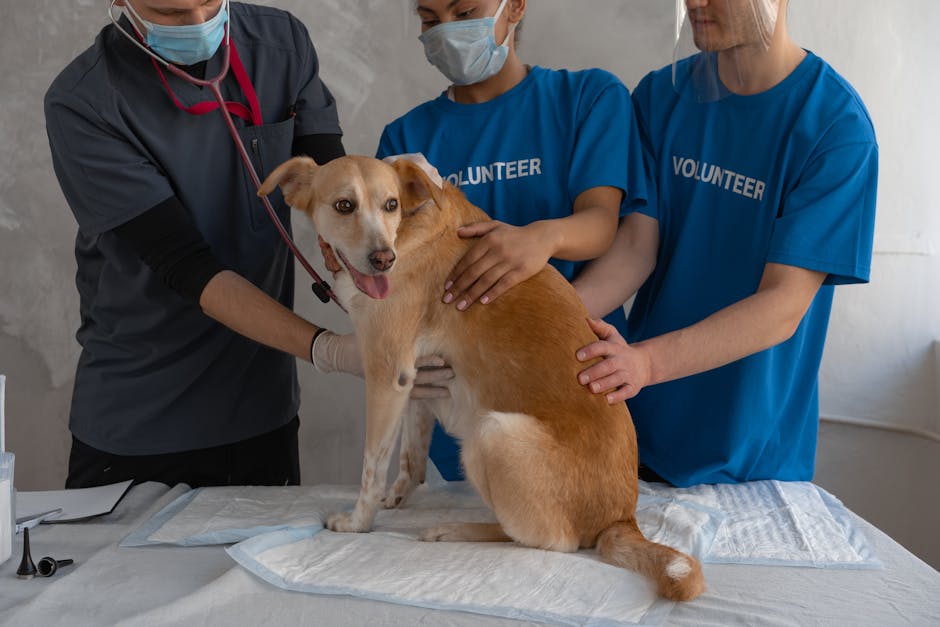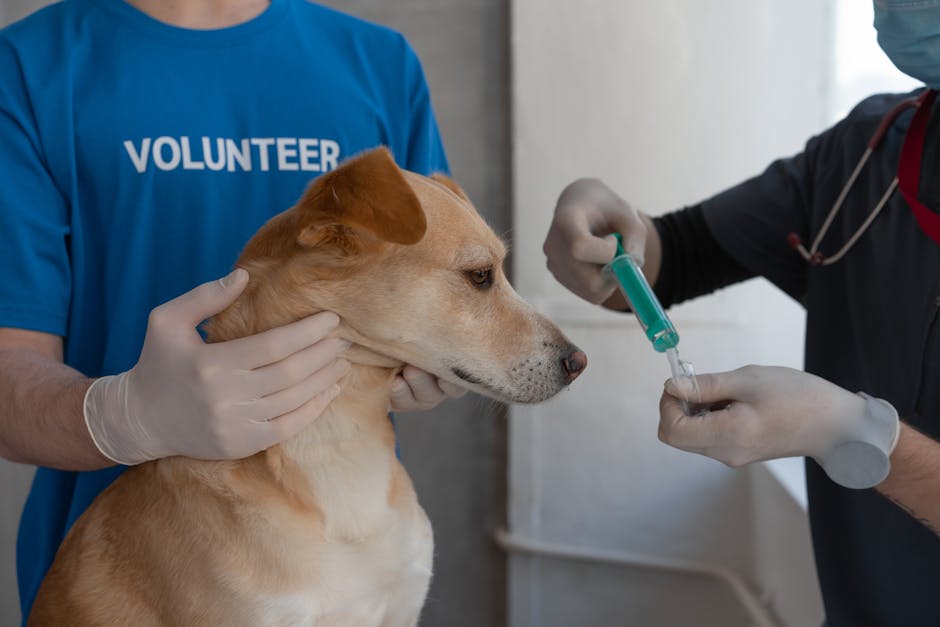
Vaccination discussions stir passionate opinions in dog owner communities. Some people follow every vaccine recommended, others question all vaccines, and most fall somewhere in between, uncertain about what's actually necessary. The truth is more nuanced than either extreme—some vaccines are essential for all dogs, while others depend entirely on your dog's lifestyle, geography, and risk factors.
Understanding the difference between core and non-core vaccines, knowing appropriate vaccination schedules, and discussing risk factors with your veterinarian allows you to make informed decisions about your dog's health.
Core Vaccines: Essential for All Dogs
Core vaccines protect against serious, potentially fatal diseases that all dogs should be protected against. These are considered essential for every dog:
Rabies Rabies is fatal once symptoms appear and is transmissible to humans, making it a critical public health issue. Rabies vaccination is legally required for dogs in most jurisdictions. Vaccination typically begins at 12-16 weeks of age, with a booster at one year, then every 1-3 years depending on vaccine type and local law.
Distemper (DHPP) The distemper combination vaccine protects against:
- Canine distemper virus (highly contagious, often fatal in puppies)
- Canine hepatitis (affects liver and kidneys)
- Canine parvovirus (causes severe vomiting, diarrhea, potentially fatal in puppies)
- Canine parainfluenza (causes respiratory disease)
Puppies receive a series starting at 6-8 weeks, then every 3-4 weeks until 16 weeks of age. Adults receive a booster at one year, then every 1-3 years depending on vaccine type.
Non-Core Vaccines: Based on Individual Risk
Non-core vaccines are recommended based on a dog's specific risk factors:
Bordetella (Kennel Cough) This vaccine protects against infectious bronchitis. It's recommended for:
- Dogs in shelters or boarding facilities
- Dogs that attend dog parks or training classes
- Dogs with exposure to other dogs
- Show dogs
Dogs with minimal contact with other dogs may not need this vaccine.
Leptospirosis This vaccine protects against a bacterial infection spread through wildlife urine and contaminated water. It's recommended for:
- Dogs with outdoor access
- Dogs in areas with known lepto cases
- Dogs that swim in lakes or streams
- Dogs with wildlife exposure (raccoons, possums, rats)
Geography matters significantly. Some regions have high leptospirosis prevalence while others have virtually no cases.
Lyme Disease This vaccine protects against Borrelia burgdorferi, transmitted by tick bites. It's recommended for:
- Dogs in areas where Lyme disease is endemic
- Dogs with tick exposure
- Dogs in the Northeast, Upper Midwest, and Pacific Coast
Dogs in areas without Lyme disease tick vectors don't need this vaccine.
Coronavirus Canine coronavirus vaccine is rarely recommended anymore due to low disease prevalence and the availability of other treatment options. Discuss with your vet if relevant for your situation.
Giardia Giardia vaccine is controversial and not routinely recommended. It has limited efficacy and giardiasis is usually manageable if it occurs. Discuss with your vet if your dog has specific exposure risk.
Vaccination Schedule
Puppies
- First vaccine: 6-8 weeks (distemper/parvovirus combination)
- Follow-up vaccines: Every 3-4 weeks until 16 weeks of age
- Rabies: 12-16 weeks (or as soon as allowed by law)
- Non-core vaccines based on risk factors
Adult Dogs
- After the puppy series, dogs need a booster at one year
- Many vaccines now have longer durations (3 years instead of 1 year)
- Rabies follows local legal requirements (typically every 1-3 years)
- Non-core vaccines based on risk and exposure changes
Senior Dogs
- Continue core vaccine boosters as recommended by your vet
- Some vets may increase titer testing (blood tests that measure immunity levels) rather than automatically revaccinating
- Non-core vaccines may be reconsidered based on lifestyle changes
Titer Testing: An Alternative Approach
Titer testing measures the level of antibodies in your dog's blood against specific diseases. This test can determine whether your dog still has adequate immunity from previous vaccinations.
Some owners use titer testing to avoid unnecessary vaccines in adult dogs. If titers show adequate immunity, revaccination might not be necessary. However, titer testing costs more than vaccination and is not available for all vaccines.
Vaccine Reactions and Side Effects
Most dogs tolerate vaccines well with minimal side effects. Common, mild side effects include:
- Soreness at injection site
- Low-grade fever
- Lethargy for a day or two
- Mild appetite decrease
These typically resolve within a day or two.
More Serious Side Effects (Rare)
- Allergic reactions (facial swelling, hives, anaphylaxis)
- Autoimmune disease
- Vaccine-associated sarcomas (very rare, mostly in cats)
Discuss any concerns about vaccine reactions with your vet. For dogs with histories of reactions, your vet can premedicate and monitor more closely.
The Risk-Benefit Analysis
Vaccinating your dog involves weighing:
Benefits
- Protection against serious, potentially fatal diseases
- Protection of public health (particularly rabies)
- Prevention of expensive emergency treatments
- Community protection through herd immunity
Risks
- Mild side effects (common but usually minor)
- Rare serious adverse reactions
- Unnecessary vaccines if immunity already exists
- Cost and time
For most dogs, the benefits of core vaccination far outweigh the risks. Non-core vaccines should be based on individual risk assessment.
Working with Your Veterinarian
Your vet considers several factors when making vaccination recommendations:
- Your dog's age and health status
- Local disease prevalence
- Your dog's lifestyle (indoor/outdoor, exposure to other dogs, travel plans)
- Any history of vaccine reactions
- Your concerns and questions
Have an open discussion with your vet about:
- Which vaccines your specific dog needs
- Appropriate vaccination timing
- Any concerns about vaccines
- Non-core vaccine recommendations
- Whether titer testing is appropriate
Regional Variations
Vaccination recommendations vary by region:
High Endemicity Areas Dogs in areas where certain diseases are common (e.g., Lyme disease in the Northeast) should have appropriate non-core vaccines.
Travel Plans If you're traveling with your dog, discuss vaccines that might be beneficial for your destination.
Shelter or Show Dogs Dogs entering shelters or shows may need additional vaccines like bordetella.
Vaccination Records and Documentation
Keep vaccination records and ensure your vet maintains them. You'll need proof of vaccination for:
- Boarding facilities
- Dog training classes
- Dog parks (many require documentation)
- Travel (if crossing state or international borders)
- Licensing
Common Vaccine Questions
Can I Space Out Vaccines Instead of Giving Them at One Visit? Yes, discuss spacing with your vet if you're concerned. However, giving multiple vaccines at one visit is standard practice and safe.
Do Indoor Dogs Need Different Vaccines? Indoor dogs may not need certain non-core vaccines, but core vaccines (rabies and distemper) are still essential.
Are Vaccine Risks Overblown? Serious vaccine reactions are rare. Vaccine-preventable diseases cause far more harm than vaccine reactions.
How Often Does My Adult Dog Really Need Boosters? This depends on the vaccine. Some provide three-year protection, others one-year. Your vet will recommend based on the specific product used.
You Might Also Enjoy
- Common Signs of Dental Disease in Dogs and Cats
- Tick Prevention for Dogs: Comparing Your Options
- Allergy Shots for Pets: How Immunotherapy Can Help Your Dog or Cat
- Why Annual Wellness Exams Matter More Than You Think
Sources:
- American Veterinary Medical Association. (2024). "Canine Vaccination Guidelines." Retrieved from avma.org
- American Animal Hospital Association. "AAHA Canine Life Stage Guidelines." Retrieved from aahaguidelines.org
- Merck Veterinary Manual. "Canine Vaccination Schedules." Retrieved from merckvetmanual.com