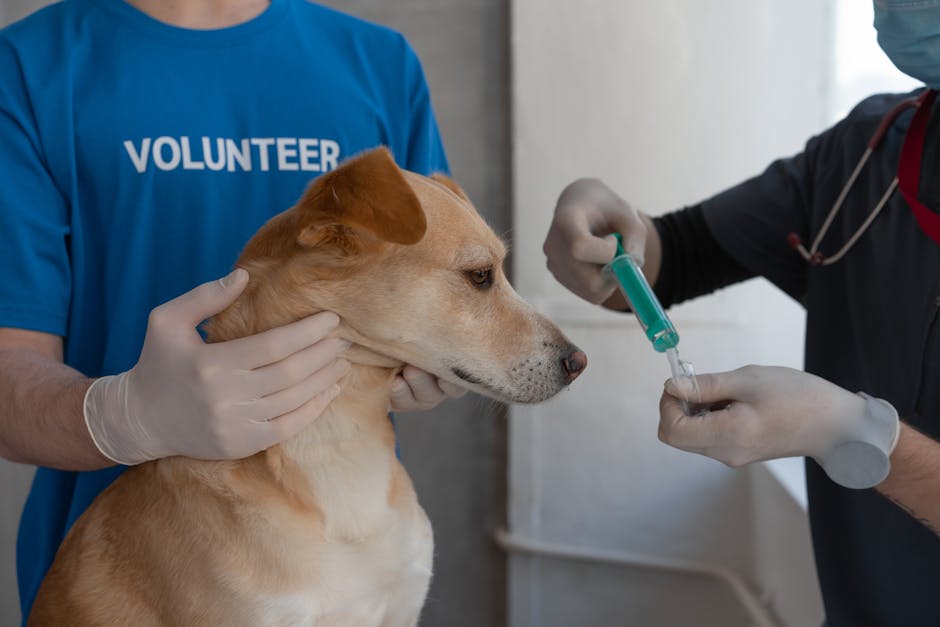
The day you bring your new pet home is thrilling. But if you're a first-time pet owner, you might not realize that one of the most important things you need to schedule is a veterinary appointment. That first vet visit sets the stage for your pet's lifelong health management and gives you—and your veterinarian—crucial baseline information about your new family member.
I've seen first-time pet owners arrive completely unprepared, either with no information about their pet or with unrealistic expectations about what veterinarians do. Understanding what happens during a first veterinary visit and preparing properly can transform the experience from stressful to informative and reassuring.
Why That First Vet Visit Matters
Your pet's first veterinary visit serves multiple critical purposes. It's not just a quick check to make sure your pet is healthy (though that's part of it). This appointment establishes a medical baseline, identifies any underlying health issues, establishes a relationship between your pet and the veterinarian, and sets you up with essential preventive care information.
For young puppies and kittens, that first visit is especially crucial because it maps out the vaccination and deworming schedule that will protect them throughout their lives. For adult rescue animals, it identifies any health issues that need immediate attention and creates a starting point for preventive care going forward.
How Soon Should You Schedule?
For Puppies and Kittens Ideally, you should schedule a vet visit within 24-48 hours of bringing them home. Young animals need to start their vaccination and deworming protocols early, and any health issues need to be identified quickly. If you adopted from a rescue or shelter, they may have already started this process—ask for their records so your vet knows what's been done.
For Adult Dogs and Cats Adult animals should also be seen within the first week or two. Even if they appear completely healthy, baseline blood work and a comprehensive physical exam establish important health markers for comparison down the road.
For Senior Animals Senior animals (typically ages 7+) need even more attention. Schedule a vet visit as soon as possible, and be prepared to discuss any behavioral or physical changes you've observed. Senior animals often have age-related health issues that benefit from early detection.
Before You Go: What Information to Gather
Coming prepared to your vet appointment saves time and ensures your veterinarian has the information they need to provide the best care.
Previous Medical Records If your pet came from a shelter, rescue, breeder, or previous owner, request all available medical records. This includes vaccination records, deworming history, microchip information, and any documentation of health issues or treatments. If records aren't available, your vet will need to start from scratch.
Current Diet Information Bring the current food brand and formula your pet is eating, or at minimum, a photo of the bag. Your vet will assess whether the current diet is appropriate for your pet's age and health status. Having the exact food information allows your vet to make specific recommendations if changes are needed.
Detailed History Think about (and write down if possible) any information about your pet's background:
- How long have you had the pet?
- What do you know about their previous living situation?
- Any observed health or behavioral issues?
- Appetite and water consumption (normal, increased, decreased)?
- Bathroom habits (any diarrhea, constipation, or urinary issues)?
- Energy level and behavior changes?
Questions You Have Write down questions before the appointment. Even simple things you're wondering about deserve answers. Common first-visit questions include proper food recommendations, exercise requirements, behavior issues, expected costs for preventive care, and vaccination schedules.
What to Bring to the Appointment
Identification Bring a valid photo ID and proof of address. Some vets require these for their records.
Payment Method Clarify payment options with the clinic when you schedule. Some accept cash, credit cards, or payment plans. Budget for potential unexpected costs if initial bloodwork or additional diagnostics are recommended.
Stool Sample (if possible) Bring a fresh stool sample in a clean container. Vets routinely run fecal tests to check for parasites. This is particularly important for puppies, kittens, and animals from shelters, as intestinal parasites are common.
Favorite Treats or Toys For young animals, bringing favorite treats can help reduce stress and help your vet establish a positive relationship with your pet during the exam.
Any Medications or Supplements If your pet is currently on any medications or supplements, bring the bottles so your vet can review them.
The Physical Examination: What Your Vet Will Check
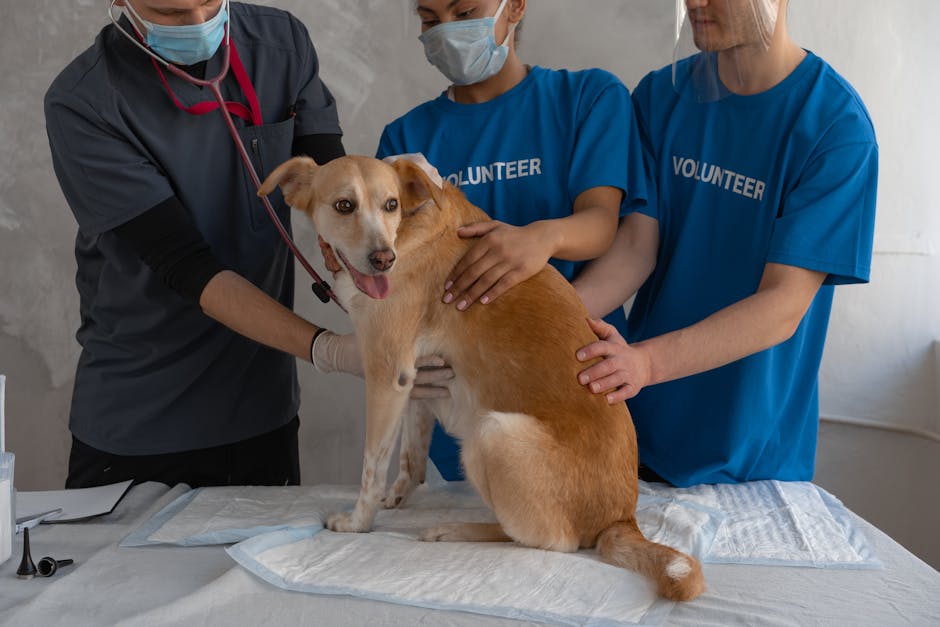
Don't be surprised by the thoroughness of a good veterinary exam. Your vet will spend significant time examining your pet from nose to tail.
General Assessment Your vet will observe your pet's gait, overall appearance, and behavior as they enter the exam room. They're looking for signs of pain, balance issues, or behavioral problems that might indicate health concerns.
Body Condition Score Your vet will assess your pet's weight and body condition, feeling their ribs and spine to determine if your pet is at a healthy weight. They'll discuss nutrition and feeding amounts if your pet is overweight or underweight.
Vital Signs Temperature, heart rate, respiratory rate, and blood pressure (for animals where it can be obtained) are baseline measurements for comparison on future visits.
Head and Neck Examination Your vet will look in the eyes, ears, and mouth. They're checking for discharge, redness, infections, or dental issues. They'll assess the teeth for any problems and explain any abnormalities they find.
Cardiovascular and Respiratory Exam Using a stethoscope, your vet listens to the heart and lungs. They're checking for normal heart sounds, abnormal murmurs, or respiratory issues. This simple test can detect early signs of heart disease or other serious conditions.
Abdominal Palpation Your vet will gently feel the abdomen, checking for normal organ size, lumps, pain, or fluid accumulation. This can reveal kidney issues, intestinal problems, or other abdominal concerns.
Orthopedic Assessment Your vet will examine joints and limbs, checking for lameness, pain, or structural issues. This is especially important for young large-breed dogs, which are prone to hip dysplasia.
Skin and Coat Your vet will examine the skin for parasites, infections, or abnormalities. They'll assess coat quality and look for signs of allergy or dermatological issues.
Lymph Nodes and Temperature Your vet checks lymph nodes for abnormal enlargement and conducts a general overall assessment.
Diagnostic Tests to Expect
Fecal Exam Your vet will examine the stool under a microscope to check for parasites. This is standard for all young animals and should be done annually even for adult animals.
Bloodwork For adult and senior animals, baseline bloodwork (a complete blood count and chemistry panel) is often recommended. This establishes normal values for future comparison and can reveal hidden health issues. For puppies and kittens, bloodwork typically isn't necessary unless health issues are evident.
Urinalysis For some animals, especially those with urinary symptoms or senior pets, urinalysis provides important information about kidney function and potential infections.
Microchip Scanning Your vet will scan for an existing microchip and discuss microchipping if your pet isn't already microchipped. This is important for lost pet recovery.
Discussing Prevention and Vaccination
Vaccination Schedule Your vet will explain which vaccines your pet needs based on age, lifestyle, and risk factors. For puppies, this typically includes a series of vaccines starting at 6-8 weeks of age. Your vet will explain the difference between "core" vaccines (essential for all pets) and "non-core" vaccines (based on lifestyle and risk).
Parasite Prevention Your vet will discuss flea, tick, and heartworm prevention. Heartworm disease is serious and potentially fatal in dogs, making prevention critical in many parts of the country. Your vet will recommend the best prevention based on your location and pet's lifestyle.
Spaying/Neutering If your pet isn't already spayed or neutered, your vet will discuss the timing and benefits of this procedure. The recommendation typically varies based on breed, size, and health status.
Dental Care Your vet will discuss dental health and explain any tartar buildup or concerns observed during the exam. Proper dental care significantly impacts long-term health.
Cost Expectations
A comprehensive first vet visit typically costs $150-$300, though this varies significantly by location and clinic. If diagnostics are recommended, costs increase. Ask about pricing upfront so there are no surprises.
Some clinics offer wellness packages that bundle vaccines, exams, and basic services at a discounted rate. Ask about these options.
After the Visit: Following Recommendations
Your vet will likely send you home with several recommendations. While all of them are important, priorities typically include:
- Vaccination schedule compliance - crucial for young animals
- Parasite prevention - essential for health and safety
- Dietary recommendations - if changes are suggested
- Behavioral training and socialization - particularly for puppies
- Follow-up appointments - for vaccines or monitoring of any identified issues
Your vet will also provide you with a written summary of findings and recommendations, plus educational materials relevant to your pet's age and health status.
Building the Relationship
That first vet visit is the beginning of what should be a long, trusting relationship between you, your pet, and your veterinary team. A good vet is someone you can call with questions, who takes time to explain things, and who treats your pet with kindness and patience.
If something doesn't feel right about a vet or clinic, it's okay to find a different one. Your comfort level with your veterinarian affects how proactive you'll be about your pet's healthcare, so finding someone you trust is genuinely important.
You Might Also Enjoy
- Why Annual Wellness Exams Matter More Than You Think
- Obesity in Pets: The Growing Health Crisis and How to Reverse It
- Pet First Aid Basics: How to Handle Emergencies Before Reaching the Vet
- How to Build a Pet First Aid Kit: Essential Supplies Every Owner Needs
Sources:
- American Veterinary Medical Association (AVMA). (2024). "Pet Vaccinations: What You Need to Know." Retrieved from avma.org
- ASPCA. "First Vet Visit Checklist." Retrieved from aspca.org
- Merck Veterinary Manual. "Physical Examination of Companion Animals." Retrieved from merckvetmanual.com