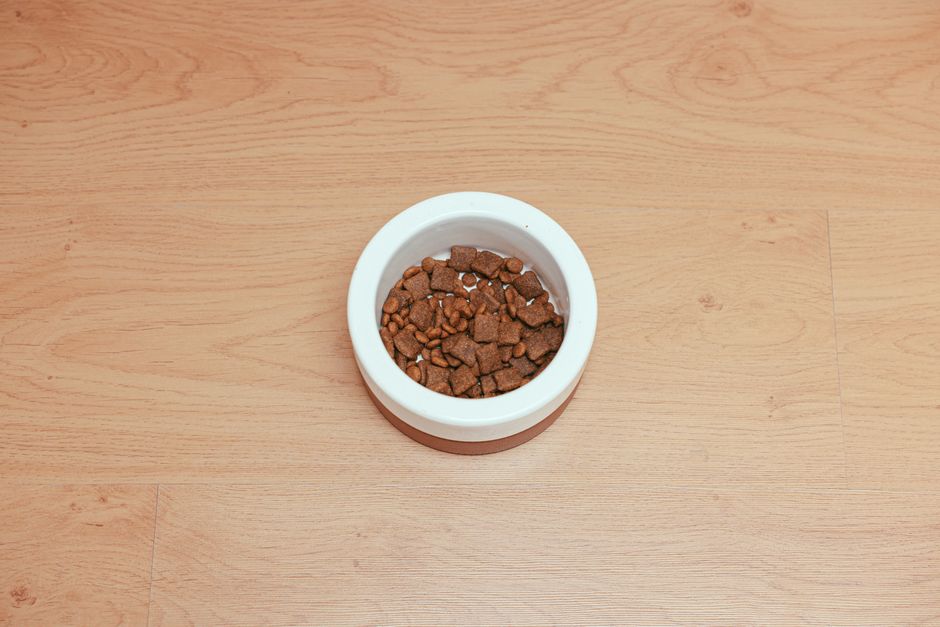
If you've ever stood in your kitchen watching your cat sniff at the premium food you just bought and then walk away with disinterest, you've experienced one of pet ownership's most frustrating phenomena. Why does your feline refuse what you've carefully selected, only to act starving an hour later?
The answer isn't defiance or ingratitude. Cats are genuinely picky eaters—and there are solid biological and behavioral reasons why. Understanding the roots of feline food selectivity helps you address it effectively, rather than cycling through increasingly expensive foods hoping something sticks.
The Biology Behind Feline Pickiness
Cats are obligate carnivores with taste receptors fundamentally different from dogs. This matters enormously.
Taste preferences: Cats have fewer taste buds than humans (around 470 compared to our 10,000) but their taste receptors are highly specialized for detecting amino acids found in meat proteins. Interestingly, cats cannot taste sweetness—their taste receptors literally don't register sweet compounds. This is why cats generally reject human foods like fruit or candy that dogs find irresistible.
Smell sensitivity: Cats rely far more on smell than taste to evaluate food. Their olfactory epithelium is proportionally larger than humans', making them incredibly sensitive to scent. If food has been sitting out and oxidized, or if it smells "off" to feline standards, they may reject it immediately—even if it's perfectly safe.
Texture matters: Cats have strong preferences for food texture. Some prefer wet food, others kibble. Some like pâté, others want chunks in gravy. These aren't arbitrary preferences—they relate to how a cat's mouth and swallowing mechanisms evolved. Cats that prefer texture should get foods matching those preferences.
Age-related changes: As cats age, their ability to smell and taste often declines. A senior cat refusing food that they previously ate might have reduced olfactory sensitivity, not sudden pickiness. Warming food slightly can make odors more pronounced and more appealing to aging cats.
Medical Issues That Mimic Pickiness
Before assuming your cat is simply picky, rule out medical causes:
Oral pain: Dental disease, fractured teeth, stomatitis (inflammation of mouth tissues), or oral tumors can cause cats to avoid hard kibble or show food aversion. Many cats suffering oral pain will eat softer foods or show altered eating behavior.
Digestive issues: Nausea, acid reflux, inflammatory bowel disease, or other GI conditions can suppress appetite or cause food aversion. A cat that suddenly rejects previously accepted food warrants veterinary evaluation.
Systemic illness: Kidney disease, hyperthyroidism, diabetes, and other conditions affect appetite and food preferences. Any sudden change in eating behavior should prompt veterinary investigation.
Medication side effects: Some medications cause nausea or altered taste perception.
If your cat's pickiness appeared suddenly or is accompanied by other symptoms (vomiting, lethargy, weight loss), contact your veterinarian before assuming it's behavioral pickiness.
Actual Behavioral Pickiness vs. Medical Issues
True behavioral pickiness typically has these characteristics:
- Your cat has always been selective about food
- They seem healthy otherwise (normal energy, normal weight maintenance, normal bathroom habits)
- They'll eventually eat food if nothing else is available (though they may delay)
- They show strong preferences for specific brands, flavors, or textures
Medical-related food refusal typically includes:
- Sudden changes in eating behavior (cats previously eating readily now refusing)
- Associated symptoms (weight loss, vomiting, diarrhea, lethargy)
- Apparent pain when eating
- Increased or decreased water consumption
When in doubt, have your vet evaluate before changing foods.
Solutions for Genuinely Picky Eaters
Respect their texture preference: If your cat prefers wet food, regular kibble won't appeal to them no matter how nutritious. And vice versa. Some cats do well with a mix—perhaps kibble during the day and wet food at night.
Test multiple brands: Different manufacturers have different protein sources, fat levels, and flavor profiles. What works for one cat may not work for another. Buy small quantities initially rather than bulk to test tolerance.
Warm the food: Cold or room-temperature wet food has less pronounced odor. Warming food to body temperature (around 100°F) makes it smell more appealing. Never microwave in the can—transfer to a bowl first.
Offer variety strategically: Rotating between 3-4 acceptable foods can prevent boredom while keeping your cat interested. This also prevents diet-related sensitivities from developing due to eating the exact same food year-round.
Reduce feeding frequency: Cats eating one large meal may be less motivated than cats eating multiple small meals. If your cat eats inconsistently, try offering smaller portions 3-4 times daily.
Create appropriate feeding environment: Remove food bowls if not eaten within 20-30 minutes. Fresh water should always be available separately from food. Some cats prefer feeding in quiet areas away from household activity.
Avoid mixing medications into food: If your cat has rejected a food after you've mixed medication in it, they may now associate that food with the medication. Manage medications separately if possible.
You Might Also Enjoy
- Homemade Cat Food: A Beginner's Guide to Balanced Recipes
- Wet Food vs. Dry Food for Cats: Which Is Actually Better?
- The Best Foods for Senior Dogs: Nutrition After Age Seven
- Can Cats Eat Onions? Why Alliums Are Toxic to Felines
Transitioning to New Foods
Even picky eaters can eventually transition to new foods with proper introduction:
Gradual mixing method:
- Days 1-2: 75% old food, 25% new food
- Days 3-4: 50% old food, 50% new food
- Days 5-7: 25% old food, 75% new food
- Day 8+: 100% new food
Slow transitions work better with picky cats than abrupt changes. Rushing can trigger food aversion to the new food.
If your cat refuses the transition:
- Return to the original food
- Wait a week, then try again with a different new food
- Consider that your cat may genuinely need to eat what they've chosen, not what you prefer
When to Accept Your Cat's Preferences
Here's the honest truth: if your cat is healthy, maintaining normal weight, and eating a diet that meets their nutritional needs (even if it's not your preferred choice), your cat's pickiness isn't a problem that requires solving.
Some owners want their cats on grain-free diets, fresh food, or premium brands, but if their cat refuses these options and thrives on conventional kibble, that conventional kibble is the right choice for that individual cat.
Your cat's eating preferences are legitimate. Meeting them is more important than imposing your nutritional ideology on your feline companion.
The Final Word
Feline pickiness is frustrating, but it's manageable when you understand its roots. Work with your veterinarian to rule out medical causes. Test foods without judgment. Respect texture and flavor preferences. Warm food if your cat responds well. And accept that your cat may never be enthusiastic about eating—and that's genuinely okay if they're healthy and maintaining weight.
For detailed nutritional guidance, consult the AAFCO guidelines or discuss food selection with your vet. The PetMD nutrition section also offers practical information about feline nutrition and feeding.
Sarah Mitchell is a pet nutrition specialist and behavior consultant based in Portland, Oregon, with experience helping owners navigate feline feeding challenges.