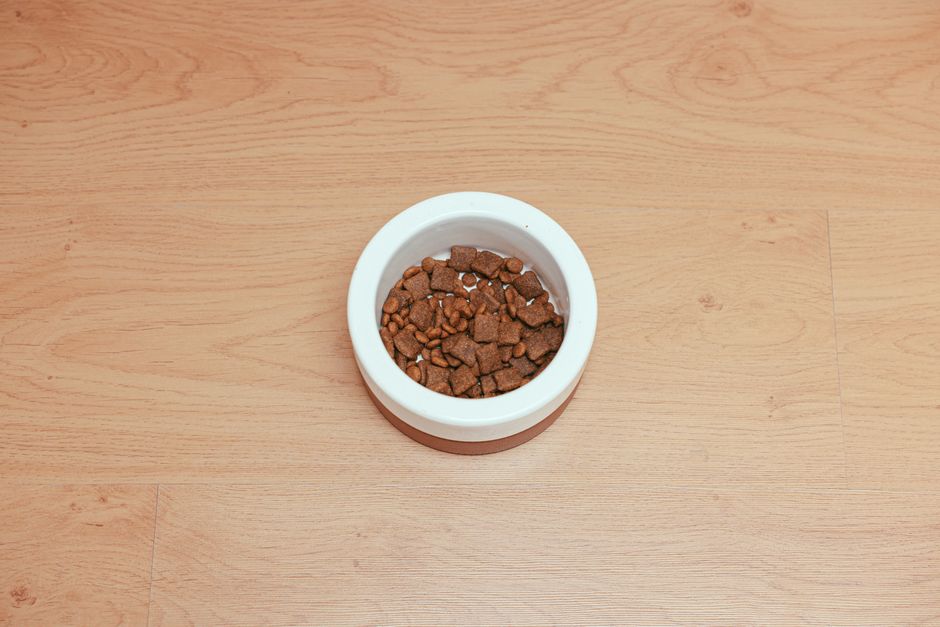
Your new puppy is adorable, and you want to give them everything—including the best nutrition possible. The problem is that puppy nutrition is more complex than many owners realize. Feed incorrectly, and you can cause developmental problems that affect their health for life.
Puppies aren't just small dogs. They have specific nutritional requirements reflecting their rapidly growing bodies. Understanding those requirements prevents serious problems and sets your puppy up for a healthy life.
What Makes Puppy Food Different?
Puppies have higher caloric needs per pound of body weight than adult dogs. A growing puppy might need 2-3 times as many calories as an adult dog because energy goes toward growth, play, learning, and thermoregulation.
Additionally, puppies require specific ratios of:
- Protein: For muscle development
- Fat: For brain development and energy
- Calcium and phosphorus: For bone development (in specific ratios)
- DHA: For cognitive and vision development
The Association of American Feed Control Officials (AAFCO) has specific guidelines for puppy food formulation. Reputable puppy foods meet these standards.
You Might Also Enjoy
- The Best Foods for Senior Dogs: Nutrition After Age Seven
- Feeding a Dog with Food Sensitivities: An Elimination Diet Guide
- Grain-Free Dog Food: Is It Really Better for Your Pet?
- Raw Diet for Dogs: Benefits, Risks, and What Vets Actually Think
Feeding Schedule By Age
8 weeks to 3 months: Feed 3-4 times daily. Puppies this young have small stomachs and high metabolic rates. Frequent meals prevent hypoglycemia and support consistent growth.
3-6 months: Transition to 3 meals daily. Most puppies can handle this schedule while still maintaining proper nutrition.
6 months to 1 year: Move to 2 meals daily. This schedule supports development while reducing feeding frequency.
After 1 year: Most puppies transition to adult food and adult feeding schedule (usually 2 meals daily, though some owners prefer once-daily feeding).
Large/giant breed puppies: Keep on 3-meal schedules longer (sometimes until 12-18 months) to support slower bone growth. Rapid growth in large breeds increases risk of developmental orthopedic disease, and slower, more distributed growth helps prevent this.
Portion Control and Weight Management
Obesity in puppyhood contributes to adult obesity and orthopedic problems. Yet many owners overfeed puppies thinking they're just "eating a lot because they're growing."
Proper portioning:
- Follow the feeding guidelines on your puppy food package based on age and weight
- Measure food precisely—use a cup, not "a handful"
- Account for training treats in the daily calorie calculation
- Adjust portions as your puppy grows
How to tell if portions are right:
- You should feel ribs easily but not see them prominently
- Waist should be visible from above
- Abdomen should tuck up slightly from the side
- Puppy should be active but not visibly overweight
Weigh your puppy regularly (weekly or every other week). Growth should be steady and gradual, not rapid.
Choosing the Right Puppy Food
Look for:
- AAFCO certification statement specifically for "growth" or "all life stages"
- Named meat proteins as primary ingredients (chicken, beef, lamb—not "meat meal")
- Appropriate calcium-to-phosphorus ratio (about 1.2:1)
- Proof of quality testing and manufacturing standards
Reputable brands typically:
- Fund research and have veterinary nutritionists on staff
- Conduct feeding trials
- Have quality control measures
- Are transparent about ingredients and sourcing
Avoid:
- Foods making unsubstantiated health claims
- Generic brands with vague ingredient lists
- "Natural" labels without meeting AAFCO standards
- Foods from companies with history of recalls
Your veterinarian can recommend specific brands appropriate for your puppy's breed, size, and individual health needs.
Special Considerations for Large and Giant Breeds
Large and giant breed puppies require special attention. Rapid growth in these breeds increases risk of hip dysplasia, elbow dysplasia, and other orthopedic problems.
Large breed puppy foods should:
- Have moderate protein (around 20-24%)
- Have moderate fat (around 10-15%)
- Have controlled calcium (around 1-1.2%)
- Have appropriate calcium-to-phosphorus ratio
Don't feed regular puppy food to large breed puppies without consulting your vet—the nutrient ratios differ for a reason.
Additionally:
- Don't supplement calcium or phosphorus (they're already balanced in commercial foods)
- Keep exercise moderate during growth phases
- Maintain lean body condition
- Consider slower-growing breed recommendations from breeders or veterinarians
Water and Hydration
Puppies need constant access to fresh water. During housetraining, you might limit water in the evening to reduce nighttime accidents, but always provide water during the day.
Puppies can become dehydrated quickly. Monitor water intake and urine output. If your puppy seems lethargic or has dark urine, dehydration might be the cause.
Common Feeding Mistakes to Avoid
Adding supplements without guidance: Commercial puppy foods are already nutritionally complete. Adding calcium, vitamins, or other supplements without veterinary recommendation can create imbalances that harm development.
Switching foods frequently: Digestive systems need time to adjust. If changing puppy food, do so gradually over 7-10 days, mixing increasing percentages of new food with old food.
Feeding table scraps: This creates bad habits, contributes to obesity, and can teach poor manners. Stick to puppy food for nutrition, use training treats for rewards.
Free-feeding: Leaving food out all day makes portion control impossible and can cause obesity. Feed measured portions at set times instead.
Overfeeding "because they're hungry": Puppies have active metabolisms and seem to eat constantly. This doesn't mean they need more food. Follow feeding guidelines regardless of apparent appetite.
Puppy socialization treats: Training and socialization require lots of small treats. Account for these in daily calorie calculations and use low-calorie options when possible.
Transitioning to Adult Food
Around 12 months for small/medium breeds (or 18-24 months for giant breeds), transition to adult food:
- Start replacing 25% of puppy food with adult food
- After 3-5 days, try 50/50 mix
- Progress to 75% adult food, 25% puppy food
- Finally, transition fully to adult food
This gradual transition prevents digestive upset while allowing adjustment to new nutrient ratios.
Red Flags in Your Puppy's Feeding
Contact your veterinarian if you notice:
- Persistent diarrhea or constipation
- Vomiting
- Excessive or decreased appetite
- Difficulty chewing or swallowing
- Abnormal growth (too fast or too slow)
- Signs of nutritional deficiency (dull coat, lethargy, poor development)
The Importance of Veterinary Guidance
Your veterinarian, particularly if they have nutritional training, is your best resource for puppy nutrition. They understand:
- Your puppy's individual health needs
- Breed-specific recommendations
- How to assess growth and development
- When to adjust portions or food type
Regular check-ups during puppyhood (typically every 3-4 weeks until 16 weeks, then every 6-8 weeks until 12 months) allow your vet to monitor growth and adjust feeding as needed.
Final Thoughts
Proper puppy nutrition sets your dog up for a healthy adult life. It's not complicated, but it does require understanding your puppy's specific needs and making deliberate choices.
Feed a high-quality puppy food formulated for your puppy's size, follow appropriate feeding schedules, maintain proper portions, and work with your veterinarian. These fundamentals prevent obesity, developmental problems, and nutritional imbalances that could affect your dog's health for decades.
Your puppy's future health is largely determined by the nutrition you provide now. Make it count.
What puppy food did you choose? Any feeding challenges with your puppy? Share your experience in the comments.
Sarah Mitchell is a certified pet care specialist and author of Pawprint Journals. She lives in Portland, Oregon with her golden retriever, two rescue cats, and an impressive collection of indoor plants.