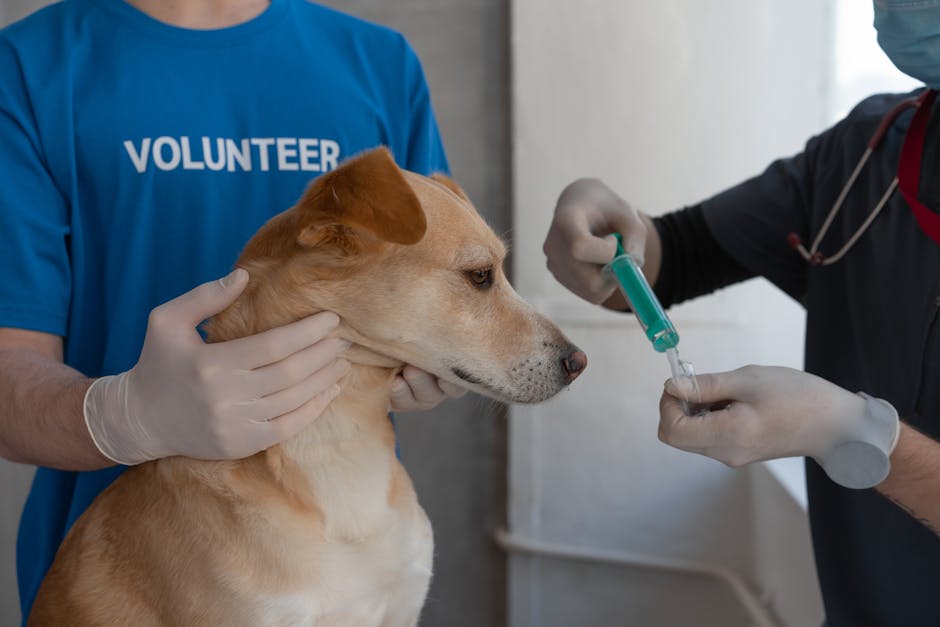
The elderly Lab came in for a routine wellness exam. Her owner said she'd been "fine, just a bit slower lately." During the physical exam, when I gently extended her rear legs, she stiffened and held her breath. She didn't cry out. She didn't jump away. She just went quiet and rigid.
That moment—that moment of held breath and stillness—was her way of telling us she'd been in chronic pain for weeks, possibly months. Her owner had interpreted her slowness as simple aging. In reality, this dog had been suffering from progressive arthritis, and she'd been hiding it the entire time.
This happens far too often in veterinary medicine. Pets are extraordinary at masking pain and discomfort. It's an evolutionary survival trait—in the wild, showing weakness attracts predators. Even though our beloved companions are thousands of years removed from living in the wild, this instinct remains deeply embedded. They suffer in silence while we, their owners, miss critical early warning signs.
Why Pets Hide Pain
Before we talk about recognizing pain, it's important to understand the neurobiology and behavioral ecology behind why pets hide discomfort in the first place.
Evolutionary Programming
In wild animal populations, an animal that shows pain signals weakness. Weakness signals vulnerability to predators. This created intense selection pressure for animals to suppress pain signals, at least superficially. Our domesticated pets have inherited this same biology and behavioral programming. They're not trying to be stoic for our benefit—they're following millions of years of evolutionary programming.
Social Hierarchy Concerns
Dogs are pack animals with social hierarchies. Pain can be perceived as a weakness that affects social standing. This is why a dog might limp severely when they know they're going to the vet, but hide a significant lameness when around other dogs.
Adaptation and Masking
Pets have remarkable capacity to adapt to chronic pain by changing their behavior subtly. Instead of showing obvious pain signs, they redistribute weight, move differently, or reduce activity. These changes happen gradually enough that owners often attribute them to normal aging or personality shifts.
The Observable Signs of Pain in Dogs
Pain in dogs manifests across multiple dimensions—behavioral, postural, vocal, and physiological. The key is that these signs are often subtle and gradual.
Behavioral Changes
Decreased Activity and Withdrawal: This is one of the most commonly missed signs. A dog that normally greets you at the door now stays on their bed. A dog that loved walks now seems reluctant. Owners often interpret this as the dog being "lazy" or "less interested in activities" without considering that every step might hurt.
Changes in Sleep Patterns: Pets in pain often have disrupted sleep. They might get up and down frequently, unable to find a comfortable position. They might pace at night or seem restless. Chronic pain sufferers often show overall lethargy during the day because they're not sleeping well at night.
Reluctance to Engage: The dog that used to play might now avoid play. The dog that loved being petted might move away from your touch in certain areas. This isn't attitude—it's pain avoidance.
Excessive Panting or Yawning: These are often stress and pain responses in dogs. Excessive yawning, in particular, is an underappreciated pain indicator. If your dog is yawning frequently, especially when not tired, consider pain as a potential cause.
Aggression or Irritability: Pain makes animals irritable. A gentle dog might snap if touched in a painful area. A dog that was patient with kids might show signs of irritability. These behavioral changes often get misinterpreted as personality problems or dominance issues when they're actually pain manifestations.
Postural Changes
Hunched Posture: A dog in abdominal pain often adopts a "prayer pose"—front end lowered, rear end raised. But more subtle hunching—a generally compressed posture—can also indicate pain.
Limping or Lameness: This is the obvious one, but what's missed is that some dogs alternate limbs or show lameness inconsistently. They might limp more after resting and improve slightly as they warm up, or vice versa.
Stiff Gait: A dog might move stiffly, especially after rest. This stiffness that improves with movement, then worsens again, is classic for arthritis pain.
Altered Weight Distribution: A dog might stand with weight shifted off a painful limb, or adopt an unusually wide stance to compensate for spine or hip pain. They might turn their entire body instead of their head if turning is painful.
Reluctance to Rise or Jump: If a normally athletic dog now hesitates before jumping on furniture, or takes several attempts to stand, pain is worth considering.
Eating and Grooming Changes
Decreased Appetite: Pain frequently reduces appetite. A dog might approach their food bowl but eat less, or eat slowly. They might prefer soft food suddenly if eating hard food causes jaw or dental pain.
Changes in Drinking: Excessive drinking can sometimes indicate pain-related stress, though this is less reliable than appetite changes.
Neglected Grooming: Cats especially stop grooming when in pain, but dogs show this too. A dog that normally grooms might look unkempt. Mats develop more easily because the dog avoids moving to groom certain areas.
Vocalization Changes
Excessive Vocalization: Some dogs in pain become more vocal. They might whimper, whine, or make other sounds they didn't previously make. But crucially...
Vocalization Decrease: Other dogs vocalize less. A normally "talkative" dog that goes quiet might be managing pain. The held breath, the stillness—these are pain responses as much as whining is.
The Observable Signs of Pain in Cats
Cats are even more secretive about pain than dogs, and the signs are often even more subtle.
Behavioral Changes
Hiding or Increased Solitude: A cat in pain often seeks out hidden places. They hide under beds, in closets, or in other quiet, secluded spots. This is a pain response—they're creating a safe space where they feel less vulnerable.
Decreased Grooming: A cat that's always been immaculate might develop a dull, unkempt coat. They might neglect certain areas entirely because grooming them causes pain.
Litter Box Changes: This is critical. Changes in litter box behavior in cats can signal pain, especially if:
- They avoid the litter box entirely (indicating pain with the effort of getting there)
- They use the litter box but have difficulty squatting (indicating pain in the hips, knees, or spine)
- They eliminate outside the box (sometimes indicating pain with getting in/out or assuming the squat position)
- They spend unusual amounts of time in the litter box (straining, discomfort)
Appetite Changes: Cats in pain often eat less or show less interest in food. They might approach the bowl and then walk away. Some cats with specific types of pain (like dental pain) might avoid certain food textures.
Decreased Interaction: The cat that usually greeted you now ignores you. The cat that sat on your lap no longer does. They're withdrawing to manage pain.
Postural and Movement Changes
Crouched or Hunched Posture: Cats with abdominal pain often look flattened to the ground. Cats with other pain types might simply appear more tense and less relaxed.
Stiff or Slow Movement: A normally graceful cat might move stiffly or slowly. They might avoid jumping down from high places (landing is painful for cats with hindlimb or spine pain).
Changes in Sleep Position: Cats might adopt unusual sleep positions to avoid pain. They might lie flatter than usual, or avoid their favorite sleeping spots if those spots become painful to reach or hold.
Reluctance to Jump or Climb: If a cat stops using cat trees, jumping on furniture, or climbing, pain is always worth investigating—especially with senior cats and arthritis.
You Might Also Enjoy
- Why Annual Wellness Exams Matter More Than You Think
- How to Build a Pet First Aid Kit: Essential Supplies Every Owner Needs
- Common Signs of Dental Disease in Dogs and Cats
- How Pet Insurance Works: A Straightforward Guide for New Pet Owners
The Subtle Signs That Are Easy to Miss
Beyond the obvious behavioral changes, there are quieter signs that separate careful observers from those who miss chronic pain:
Halitosis (Bad Breath)
Chronic pain can affect liver and kidney function, which manifests as bad breath. Additionally, if a pet is avoiding certain foods due to dental or mouth pain, plaque buildup accelerates, worsening breath.
Weight Loss or Weight Gain
Pain can decrease appetite, leading to weight loss. Conversely, decreased activity from pain leads to weight gain. Both can be subtle if they happen gradually.
Changes in Facial Expression
Dogs and cats in chronic pain often have a subtly different facial expression. In dogs, the eyes might seem slightly squinted or worried. In cats, the eyes might not open as fully, or the ears might be held differently.
Reluctance to Groom Specific Areas
A dog might avoid licking a painful paw. A cat might not groom their rear end if their spine or hips hurt.
Behavioral Regression
House-trained dogs might have accidents. Litter-trained cats might miss the box. This is often interpreted as behavioral regression when it's actually pain-related inability to get to the appropriate location in time.
Creating Your Pain Assessment Checklist
I recommend all pet owners regularly assess their companion using this framework:
Weekly Check-In Questions:
- Is my pet's activity level consistent with their normal baseline?
- Are there any new stiffnesses or reluctances I've noticed?
- Has their eating or drinking changed?
- Are they grooming normally?
- Have their sleep patterns changed?
- Is their vocal behavior different?
- Are there any new postural changes?
- Do they move differently during or after exercise?
Physical Assessment (Monthly):
- Gently palpate their body, noting any flinches or guards
- Observe their stance and weight distribution
- Watch how they rise from rest
- Note how they move through the house
- Observe their breathing—is it shallow, rapid, or strained?
If you notice changes, write them down with dates. When you visit your vet, this information is invaluable for diagnosis.
When to Call Your Veterinarian
Contact your vet if you notice:
- Sudden change in activity level
- Any change in appetite lasting more than a day
- Reluctance to move, jump, or use stairs
- Crying out, whimpering, or unusual vocalization
- Behavioral aggression or irritability related to touching specific areas
- Any change in litter box use (in cats)
- Unusual postures or stiffness
- Changes in grooming behavior
- Altered sleep patterns
For acute, severe signs (inability to stand, severe injury, difficulty breathing), seek immediate emergency care.
Pain Management Options Available Today
The good news is that modern veterinary medicine offers many pain management options:
Medications: NSAIDs, gabapentin, tramadol, and other pain medications can significantly improve quality of life.
Supplements: Joint supplements (glucosamine, chondroitin), omega-3 fatty acids, and other nutraceuticals can help manage chronic pain.
Physical Therapy: Therapeutic exercise, hydrotherapy, and other modalities can improve mobility and reduce pain.
Laser Therapy: Low-level laser therapy shows promise for pain management in some cases.
Dietary Management: Weight management and prescription diets formulated for joint health can reduce pain.
Environmental Modifications: Orthopedic beds, ramps, stairs, and other environmental changes can reduce pain from movement.
The key is detecting pain early so you can implement these strategies before the condition becomes severe.
The Importance of Regular Veterinary Exams
Annual wellness exams for young adults and twice-yearly exams for senior pets (age 7+) are crucial for catching pain early. Your vet has trained hands and experience to identify pain that you might miss. They can palpate joints, assess gait, and recognize the subtle signs of pain in ways that are difficult for untrained owners.
During these exams, share your observations. "I noticed she's been slower on walks" or "He hesitates before jumping on the couch" provides crucial context.
The Bottom Line
Your pet is communicating their pain constantly, but they're doing it quietly. They're hiding it because evolution taught them to. They're masking it because it's survival instinct. Our responsibility as pet owners is to become skilled observers of these subtle signs.
Pain in pets is treatable, manageable, and often preventable from becoming chronic if caught early. But it starts with recognizing that when your dog is slower, your cat is hiding, or your pet's behavior shifts—these aren't personality quirks or signs of aging. They're messages about suffering.
Listen carefully. Pay attention. The subtle signs matter.
References