When I first moved to my Portland house, I dreamed of a backyard sanctuary—shade from mature trees, privacy from neighbors, natural beauty. But as a pet care specialist, I couldn't ignore one critical question: which trees are actually safe for my dogs and cats?
After researching and consulting with local arborists and veterinarians, I discovered that most common ornamental and shade trees are perfectly safe. The problem trees get all the attention, but you actually have wonderful options for creating a beautiful, pet-friendly landscape.
Why Tree Safety Matters
Dogs and cats interact with trees in different ways:
Dogs dig around root bases, chew bark, and ingest fallen leaves, seeds, and fruits. Large dogs knock branches around; small dogs might climb under low-hanging limbs. Puppies and anxious dogs are especially likely to chew on bark.
Cats climb trees, eat leaves and bark from branches they can reach, and ingest fruits or seeds. They're less likely to chew bark than dogs but more likely to climb and access higher branches.
Understanding your pet's behavior helps you choose appropriately. A tree safe for a cat might not be if you have a dog prone to bark chewing.
You Might Also Enjoy
- Black Walnut Trees and Dogs: Understanding the Toxicity Risk
- Chinaberry Trees: A Beautiful Backyard Tree That's Toxic to All Pets
- Are Oak Trees Dangerous for Pets? Acorn Toxicity Explained
- Yew Trees and Pets: One of the Most Toxic Trees in Your Neighborhood
The Best Safe Trees for Pet-Friendly Yards
Shade Trees (Great for Coverage)
Silver Maple (Acer saccharinum)
- Large, fast-growing shade tree
- Non-toxic to dogs and cats
- Yellow fall color
- Grows quickly (good if you need immediate shade)
- Downsides: Weak wood, shallow roots, messy seeds
Sugar Maple (Acer saccharum)
- Iconic fall foliage
- Provides excellent shade
- Non-toxic
- More durable than silver maple
- Slower growing but worth the wait
Norway Maple (Acer platanoides)
- Dense, beautiful shade
- Completely safe
- Good fall color
- Note: Can spread seeds aggressively, invasive in some regions
Crape Myrtle (Lagerstroemia)
- Stunning flowers (pink, red, purple, white)
- Graceful branching structure
- Non-toxic
- Excellent choice for ornamental interest plus safety
- Particularly good in warmer climates
American Hornbeam (Carpinus caroliniana)
- Beautiful year-round interest
- Safe for pets
- Blue-gray bark, interesting texture
- Good for smaller yards (medium-sized)
- Excellent fall color
Fruit Trees (That Are Safe)
Apple (Malus species)
- Produces edible fruit
- Non-toxic wood and foliage
- Warning: Seeds contain amygdalin (cyanogenic compound), so don't let dogs chew seeds
- Fallen apples are safe in moderation (watch for overeating causing GI distress)
- Beautiful spring blossoms
Pear (Pyrus species)
- Similar to apple—fruit is safe, but seeds should be avoided
- Excellent shade tree
- Beautiful flowers
- Less messy than apple varieties
Crabapple (Malus species)
- Smaller ornamental version of apple
- Flowers and foliage are safe
- Seeds contain amygdalin like regular apples
- Small fruits fall (watch for excessive consumption)
- Excellent for smaller yards
Native Trees (Great for Environment and Pets)
Serviceberry/Amelanchier (Amelanchier)
- Native to many US regions
- Beautiful white flowers in spring
- Berries are safe (birds and pets both enjoy them)
- Non-toxic in all parts
- Medium height—good for suburban yards
Dogwood (Cornus)
- Iconic spring flowers
- Safe for pets
- Beautiful fall foliage and winter berries
- Provides interest year-round
- Prefers shade (good understory tree)
Eastern Redbud (Cercis canadensis)
- Beautiful pink spring flowers
- Non-toxic
- Heart-shaped leaves
- Great for smaller yards
- Native to eastern North America
River Birch (Betula nigra)
- Interesting peeling bark
- Non-toxic
- Fast-growing for a birch
- Better disease resistance than other birches
- Prefers moist soil
Evergreen Options
Eastern Red Cedar (Juniperus virginiana)
- Actually a juniper, not a cedar (confusing naming)
- Non-toxic
- Year-round structure and privacy
- Excellent for windbreaks
- Berries are safe
Arborvitae (Thuja)
- Columnar evergreen form
- Non-toxic
- Great for screening and privacy
- Many cultivars available
- Very hardy
Trees to Avoid (The Dangerous Ones)
Since I'm discussing safe trees, I should mention what to avoid:
Definitely Avoid:
- Sago Palm (extremely toxic—can cause liver failure)
- Yew (highly toxic—all parts deadly)
- Oleander (cardiac toxins)
- Avocado (persin toxin)
- Citrus varieties (variable toxicity)
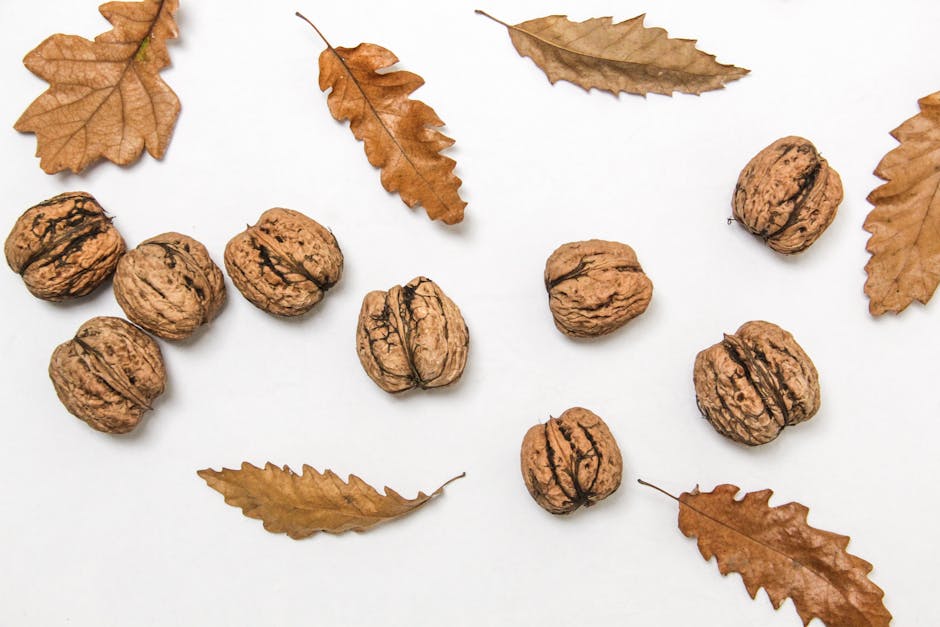
- Walnut species especially black walnut (toxins and mold risk)
Use Caution:
- Peach, Cherry, Plum (pits contain cyanogenic compounds)
- Oak (acorns contain tannins; large consumption problematic)
I cover these dangerous trees in depth in other articles, but the principle is clear: research before planting.
Landscaping Tips for Pet-Friendly Yards
Beyond just choosing safe trees, optimize your space:
1. Create Designated Digging Areas Rather than preventing digging entirely, give dogs an approved space. A sandbox or designated mulch area redirects natural behavior. This actually protects your trees from root disturbance.
2. Protect Young Trees Even safe trees can be damaged by dogs rubbing bark or digging roots. Use tree guards for the first few years while the trunk hardens.
3. Manage Fallen Fruit Crabapples and berries falling can cause overindulgence and GI issues. Pick up regularly or accept that your dog will snack. Know the limit for your tree type.
4. Consider Shade Distribution Position trees to provide afternoon shade without creating dark, damp areas that encourage fungal growth or hide snakes/pests.
5. Avoid Certain Groundcovers Even with safe trees, some understory plants are problematic. Avoid:
- Foxglove (toxic)
- Lily of the valley (cardiac toxin)
- Daffodils (all parts toxic)
- Instead use: hostas (non-toxic), ferns, sedges
Climate-Specific Recommendations
Pacific Northwest (like Portland):
- Native options: Douglas Fir (non-toxic), Western Red Cedar
- Deciduous options: Japanese Maple (check—some sources say safe, others worry about seeds)
- Best bets: Crape myrtle, serviceberry, dogwood, river birch
Southeast:
- Heat-tolerant: crape myrtle, redbud
- Shade: sugar maple, sweetbay magnolia
- Native: dogwood, serviceberry, river birch
Northeast:
- Sugar maple, American hornbeam, serviceberry
- Birches, crabapples, pear trees
- Eastern redbud (southern range)
Southwest:
- Palo verde (non-toxic)
- Desert willow (check with local vet for confirmation)
- Thornless acacia species (non-toxic—verify species)
Size Considerations
Small Yards/Urban Spaces:
- Serviceberry or crabapple (medium-sized)
- Eastern redbud (smaller)
- Japanese maples if you verify safety
- Understory trees rather than canopy trees
Medium Yards:
- Sugar maple (good balance)
- Crape myrtle
- River birch
- Dogwood
Large Properties:
- Silver maple (grows quickly)
- Norway maple
- American hornbeam
- Multiple trees for shade and privacy
The Practical Reality
Perfect pet-safe landscaping is possible. You don't need to sacrifice aesthetics or shade to keep your pets safe. Many beautiful, common trees are completely non-toxic.
The key is research before planting. Check with:
- Local nurseries (they often understand regional safety)
- Your veterinarian (they know what they see in toxic cases)
- Cooperative extension offices (often have regional recommendations)
When in doubt, ask: "Is this tree safe for dogs and cats?" before purchase. Most reputable nurseries can answer this immediately.
Your yard can be beautiful, shaded, and genuinely safe for your pets. It just requires intentional choices from the start.
Resources