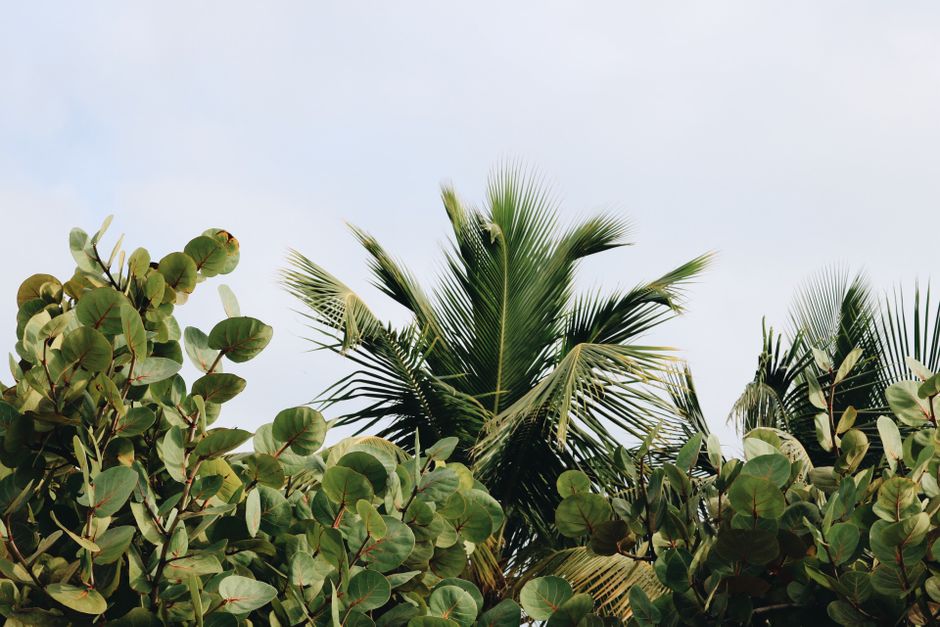
The call came in on a Friday afternoon: a frantic owner describing her three-year-old Labrador who'd chewed on a decorative plant in her living room. By Monday, the dog was in acute liver failure. The plant was a sago palm—one of the most dangerous plants in terms of toxicity potential.
Sago palms are deceptively beautiful ornamental plants popular in homes and gardens, especially in warmer climates. But they're also unquestionably one of the most toxic plants a dog can encounter. I want to be absolutely clear: if your dog ingests any part of a sago palm, this requires emergency veterinary attention, not watchful waiting.
Why Sago Palms Are So Dangerous
The toxicity in sago palms comes from a compound called cycasin, which is present in every part of the plant, but concentrated most heavily in the seeds or nuts (the large seed pods). A single nut from a sago palm contains enough toxin to cause serious, potentially fatal poisoning in a medium-sized dog.
Here's what makes sago palms particularly dangerous: they're attractive to dogs. The seeds look like something to chew on. The fronds move enticingly. And many dogs will investigate them out of curiosity, especially puppies who explore everything through their mouths.
The poisoning mechanism is particularly insidious. Cycasin breaks down in the dog's gastrointestinal system into methylazoxymethanol (MAM), which then causes severe hepatotoxicity—liver damage that can progress rapidly from initial ingestion to organ failure.
Recognizing Sago Palm Poisoning Symptoms
The timeline of sago palm toxicity can be devastatingly fast. Early signs typically appear within 24-72 hours of ingestion:
Initial phase (first 24-48 hours):
- Vomiting (often severe)
- Diarrhea
- Lethargy and decreased appetite
- Abdominal pain or tenderness
- Drooling or excessive salivation
Progressive phase (48-72 hours and beyond):
- Severe jaundice (yellowing of skin, gums, and whites of eyes)
- Dark urine
- Pale gums
- Dehydration
- Coagulopathy symptoms (unusual bruising, bleeding from gums or nose)
- Seizures or neurological signs (in severe cases)
- Collapse or shock
Here's the critical part: by the time you see the dramatic signs like jaundice or seizures, liver damage is already severe. The window for effective treatment is narrow, which is why speed matters enormously.
Veterinary Treatment and Outcomes
If your dog ingests any part of a sago palm, contact your veterinarian or emergency vet clinic immediately. Don't wait to see if symptoms develop. Bring information about what and how much the dog ate if you know it.
Treatment for sago palm poisoning is primarily supportive care, as there's no specific antidote. Your vet will likely:
Decontamination (if caught very early):
- Induce vomiting within a few hours of ingestion (this can help if the dog hasn't yet ingested toxins from the stomach into the bloodstream)
- Activated charcoal to bind any remaining toxins
Diagnostic testing:
- Complete blood chemistry panel to assess liver function (ALT, AST, bilirubin)
- Prothrombin time to check clotting function
- Repeat bloodwork to monitor progression
Supportive care:
- Aggressive IV fluid therapy to maintain hydration and support kidney and liver function
- Medications to control vomiting
- Vitamin K1 to support clotting function if coagulopathy develops
- Hepatoprotective drugs like S-adenosylmethionine (SAMe) or milk thistle
- Hospitalization for close monitoring
The prognosis depends heavily on:
- How much toxin was ingested — A small amount from seeds is worse than chewing leaves
- How quickly treatment began — Cases treated within 2-4 hours have better outcomes
- The dog's overall health — Puppies and senior dogs often have worse outcomes
- Liver function at treatment time — If there's already severe damage, the prognosis becomes guarded
Treatment can cost $2,000-$5,000+ for hospitalization and supportive care, and survival is not guaranteed even with aggressive treatment.
You Might Also Enjoy
- 10 Common Houseplants That Are Toxic to Dogs and Cats
- Lily Toxicity in Cats: Why These Beautiful Flowers Can Be Deadly
- Mushroom Toxicity in Dogs: The Backyard Danger You Might Be Missing
- Poinsettias and Pets: Are These Holiday Plants Really Dangerous?
Identifying a Sago Palm
The challenge with prevention is that sago palms have several names and look different depending on growth stage. Common names include:
- Sago palm (most common)
- Cycad
- Japanese sago palm
- Coontie (a Florida native variety)
- Zamia (the scientific genus)
Identifying characteristics:
- Stiff, fern-like leaves (fronds) arranged in a crown formation
- A thick, sturdy trunk (or sometimes just an underground trunk with fronds emerging from ground level)
- Large, orange or red seeds/nuts approximately the size of a golf ball, sometimes clustered in the center
- Overall height typically 3-10 feet for mature plants
- Tropical or subtropical appearance even in indoor settings
Sago palms are popular in warm climates (Zones 8-11) but increasingly used as indoor decorative plants nationwide, especially in shopping centers, offices, and upscale homes.
Prevention: The Only Reliable Strategy
The safest approach is simple: don't have sago palms if you have dogs. Period.
But if you currently have one:
Remove it immediately. Not "move it to a high shelf" (dogs jump and knock things down) or "keep it in a closed room" (curious puppies are remarkably clever at getting into places). Remove it completely from your home.
If you have a sago palm in your yard, fence it off completely so your dog cannot access any part of it, or better yet, have it removed by a professional. Remember: it's the seeds that are most dangerous, but even significant chewing on leaves warrants emergency evaluation.
For landscaping decisions:
- Never plant sago palms if you have dogs who will be outside unsupervised
- If you're considering getting a dog and have sago palms, remove the plants first
- If sago palms are in neighbors' yards visible from your own, supervise outdoor time closely
If you suspect ingestion:
- Call an emergency vet clinic immediately (don't wait for your regular vet to open Monday morning)
- Contact the ASPCA Animal Poison Control Center at (888) 426-4435 — they can provide specific guidance on prognosis based on your dog's weight and the amount ingested
- Have information ready: your dog's weight, what was eaten if you know, when it was eaten
Other Cycads to Avoid
While sago palm is the most common cycad in residential settings, other cycads are equally toxic:
- Cycas revoluta (Japanese sago)
- Zamia pumila (coontie)
- Macrozamia species
If you're unsure whether a plant is a cycad/sago palm, the safest approach is to remove it if you have a dog.
The Bottom Line
I've seen too many bright, healthy dogs become critically ill from sago palm ingestion. Many of them didn't survive despite aggressive veterinary care costing thousands. The heartbreaking part is that this is 100% preventable through plant removal.
Sago palms are beautiful, but they're incompatible with dog ownership. Your dog's curiosity and appetite for exploring make accidental ingestion more likely than you might think. For the safety of your beloved companion, choose other ornamental plants.
If you need help identifying plants in your home or yard, consult a local nursery or use photo identification apps. Your veterinarian can also review plants with you during your next visit.
The ASPCA maintains a comprehensive database of toxic plants by species if you want to research what else might be problematic. And the Pet Poison Helpline offers additional resources on plant toxicity.
When it comes to sago palms and dogs, prevention isn't just the best medicine—it's the only medicine that really works.
Sarah Mitchell is a pet care specialist and toxicology consultant based in Portland, Oregon, with a focus on preventing common poisoning emergencies in companion animals.