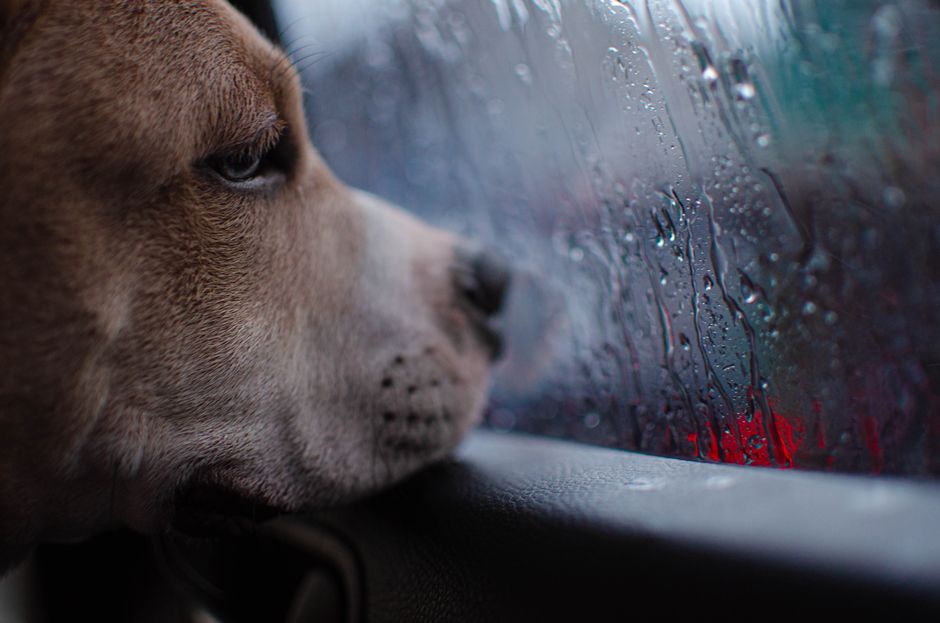
The email came from a desperate dog owner: "My dog is destroying our apartment when I leave for work. She's scratched through the drywall and broken two windows trying to get out. Our landlord is threatening eviction. I love her, but I don't know what to do."
This owner was describing classic separation anxiety—a condition far more serious than simple misbehavior. What she was witnessing wasn't her dog being destructive or spiteful. It was her dog in genuine distress, unable to cope with being alone.
Separation anxiety affects somewhere between 14-20% of dogs at some point in their lives, according to veterinary behavior research. Yet it remains one of the most misunderstood behavioral problems. Owners often mistake it for stubbornness or bad behavior, when in reality it's an anxiety disorder requiring compassionate, evidence-based intervention.
Understanding Separation Anxiety vs. Normal Leaving Behavior
Before we discuss solutions, let's clarify what separation anxiety actually is—and what it's not.
Normal leaving behavior: Most dogs have some reaction when owners leave. A puppy or younger dog might whine briefly, show excitement when you return, or have an accident if they're not fully housetrained. This is normal.
Separation anxiety: A persistent pattern of panic or extreme distress triggered specifically by the owner's departure or absence. The dog experiences genuine fear, not misbehavior.
Key distinguishing factors:
- Timing: Separation anxiety behavior occurs very shortly after departure (often within the first 15-30 minutes). Destruction that occurs randomly during the day is more likely boredom or other causes.
- Specific trigger: The anxiety is specifically triggered by the owner leaving, not by other stressors.
- Inability to self-soothe: A dog with separation anxiety cannot calm down despite having comfort items, toys, or other coping mechanisms.
- Escape attempts: The dog tries to escape or break out, rather than simply waiting for the owner's return.
- Physiological stress signs: Excessive panting, drooling, trembling, or other stress indicators are present.
You Might Also Enjoy
- Dog Body Language 101: Reading What Your Dog Is Really Saying
- Why Does My Dog Follow Me Everywhere? The Velcro Dog Explained
- Why Do Dogs Eat Grass? Vets Explain the Surprising Reasons
- Allergy Shots for Pets: How Immunotherapy Can Help Your Dog or Cat
Classic Signs of Separation Anxiety
If your dog exhibits some or all of these signs specifically when you leave (or prepare to leave), separation anxiety may be the issue:
Destructive behavior:
- Chewing or clawing at doors and windows (particularly exit routes)
- Destroying furniture
- Scratching walls or drywall
- Breaking through barriers
Elimination:
- Urinating or defecating despite being housetrained
- Often concentrated near exit doors or where the owner was
Vocalization:
- Persistent barking or howling (particularly upon departure)
- Whining that continues for extended periods
Self-injury:
- Excessive grooming or licking that causes hair loss or sores
- Paw damage from scratching at barriers
- Mouth or facial injuries from attempting to escape
Physical stress signs:
- Excessive drooling or foaming at the mouth
- Rapid panting
- Trembling or shaking
- Muscle tension
Escape attempts:
- Attempting to dig through doors or windows
- Trying to break out of crates or enclosed spaces
- Panic when confined
Behavioral changes related to departure:
- Becomes anxious when you put on shoes or grab keys
- Follows you obsessively throughout the house
- Cannot tolerate closed doors between them and you
- Panics if you're out of sight even briefly
Not all dogs with separation anxiety show all these behaviors. Some might only show one or two signs, but in an intense, distressing way.
What Causes Separation Anxiety?
Separation anxiety doesn't develop because you're a bad owner or your dog is broken. Multiple factors can contribute:
Genetic predisposition: Some dogs are naturally more anxious or sensitive. Certain breeds (particularly "Velcro breeds" like retrievers and spaniels) show higher rates of separation anxiety.
Lack of early socialization: Dogs not gradually exposed to alone time as puppies may struggle with independence later.
Past trauma: Dogs with rescue backgrounds, particularly those who experienced abandonment, show higher rates of separation anxiety.
Life changes: A move, change in schedule, loss of a family member, or new pet can trigger anxiety.
Under-exercise or stimulation: Dogs not getting adequate mental and physical activity sometimes develop anxiety.
Reinforcement: Paradoxically, giving attention to anxiety behaviors (trying to comfort a panicked dog) can sometimes reinforce the anxiety response.
Medical issues: Pain, cognitive dysfunction in older dogs, or other medical problems can contribute to separation anxiety.
Overdependence on owner: When a dog is constantly with the owner and never learns to be independent, separation becomes traumatic.
The ASPCA notes that separation anxiety often develops gradually and can worsen over time if not addressed.
Intervention Strategies That Work
Treating separation anxiety requires patience and typically involves multiple approaches. There's no quick fix, but evidence-based strategies do work.
1. Desensitization to Departure Cues
Your dog learns to associate your departure cues (shoes, keys, grabbing your purse) with anxiety. Counter this by desensitizing them to these cues.
How it works:
- Put on shoes, then sit back down (don't leave)
- Grab your keys and watch TV (don't leave)
- Get your wallet and work at the computer (don't leave)
- Do these things multiple times daily so the cue stops predicting your departure
This teaches your dog that these signals don't always mean you're leaving.
2. Graduated Departure Training
Start with very short absences and gradually increase duration.
The process:
- Leave for 30 seconds
- Return while your dog is calm (before anxiety develops)
- Gradually increase to 1 minute, then 2 minutes, building up over weeks
- Eventually work toward longer absences
Critical point: Return before your dog panics. You're teaching them that you always come back.
3. Creating a Safe Space
Establish a safe, comfortable area for when you're away.
- Avoid confining anxious dogs to crates, which can increase anxiety
- Use a secure room with toys, water, and comfortable bedding
- Leave calming background noise (music specifically designed for dogs, like Through a Dog's Ear)
- Consider calming pheromone products like Adaptil spray or diffusers
4. Exercise and Mental Stimulation
A tired dog is a calmer dog.
- Increase daily exercise significantly (30-60 minutes for most dogs)
- Provide puzzle toys and enrichment
- Training sessions build mental stimulation
- Interactive play before you leave can help
5. Medication Support
For moderate to severe separation anxiety, your veterinarian might recommend medication. This isn't a standalone solution but works best combined with behavior modification.
Common options:
- SSRIs (selective serotonin reuptake inhibitors) like fluoxetine or sertraline
- Tricyclic antidepressants like amitriptyline
- Anti-anxiety medications like trazodone (shorter-acting, useful for specific departures)
Medication doesn't change the underlying anxiety response—it creates brain chemistry conditions where behavior modification is more effective.
6. Professional Behavior Modification
Working with a certified professional dog trainer (CPDT-KA certification) or veterinary behaviorist is often essential for significant anxiety.
A professional can:
- Accurately diagnose the problem
- Create an individualized behavior modification plan
- Monitor progress and adjust strategies
- Rule out medical contributing factors
According to research published by the American College of Veterinary Behaviorists, combined medication and behavior modification has success rates of 60-70%, while behavior modification alone is effective for milder cases.
What NOT To Do
Several common approaches actually make separation anxiety worse:
Don't punish the behavior. Your dog isn't misbehaving deliberately. Punishment increases anxiety without addressing the root cause.
Don't make departures emotional. Extended goodbyes, reassurance, or dramatic greetings can reinforce anxiety. Keep hellos and goodbyes brief and low-key.
Don't crate a severely anxious dog. While crate training is useful for some purposes, a panicked dog in a crate can injure themselves or develop worse anxiety.
Don't suddenly leave for long periods. Forcing a dog with severe anxiety to be alone for 8 hours doesn't "toughen them up"—it intensifies the problem.
Don't assume your dog is "just being difficult." This mindset prevents you from addressing a genuine medical/behavioral issue.
Realistic Timeline Expectations
Separation anxiety improvement takes time—usually weeks to months for noticeable progress, potentially 6+ months for significant resolution.
- Week 1-2: Foundation building and initial desensitization
- Week 2-6: Gradual progress if consistently implementing strategies
- Month 2-3: Noticeable improvements in many cases
- Month 3-6+: Continuing gradual improvement
Relapse can happen if you progress too quickly or if life stressors increase. Going slower and more consistently beats rushing the process.
When to Consider Professional Help
Seek professional help if:
- Your dog's behavior is worsening despite your efforts
- Escape attempts are resulting in serious injury
- You're struggling emotionally with the situation
- The behavior is unsustainable in your living situation
- Your dog shows severe panic symptoms
A board-certified veterinary behaviorist can provide the most comprehensive assessment and treatment plan.
The Hope Factor
Here's what I want to emphasize: separation anxiety is treatable. It requires commitment and patience, but dogs with this condition can and do improve significantly with proper support.
I've worked with dozens of dogs with severe separation anxiety. Most of them—with consistent, appropriate intervention—learned to tolerate or even be comfortable with alone time. Their owners went from desperately considering rehoming to having dogs who could relax when left alone.
That dramatic email from the desperate owner? With a combination of desensitization training, increased exercise, and medication support, her dog's anxiety decreased substantially over 3-4 months. The destructive behavior nearly stopped, and she and her dog both experienced dramatic stress reduction.
Final Thoughts
If your dog shows signs of separation anxiety, remember: this is not a reflection on you as an owner, and it's not your dog being difficult. It's an anxiety disorder that responds to evidence-based treatment.
Start with the basics: desensitization training, increased exercise, and safe spaces. Consult your veterinarian about whether medication might help. Consider professional training support. Be patient with the process.
Your anxious dog can learn to be calm when alone. It takes time and consistency, but it's absolutely possible.
Have you dealt with separation anxiety in your dog? What strategies helped? Share your experience in the comments—hearing from others dealing with this issue can be incredibly valuable.
Sarah Mitchell is a certified pet care specialist and author of Pawprint Journals. She lives in Portland, Oregon with her golden retriever, two rescue cats, and an impressive collection of indoor plants.