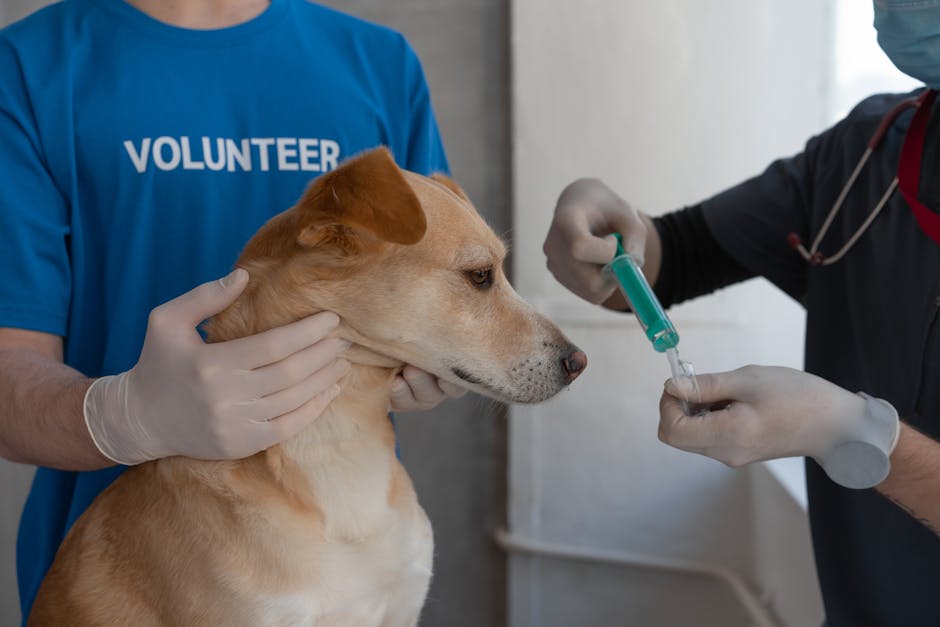
When I first got my border collie, Maggie, the spay surgery felt like a major decision. My veterinarian discussed the benefits, timing recommendations, and what to expect during recovery. After years of helping Portland pet owners navigate this decision, I've learned that spaying and neutering remains one of the most important preventive health choices you can make for your pet.
What Does Spaying and Neutering Actually Do?
Spaying (ovariohysterectomy in female dogs and cats) involves surgically removing the ovaries and uterus. Neutering (castration in males) removes the testicles. Both are permanent birth control procedures that have profound effects on your pet's health and behavior.
The surgery isn't minor—it requires general anesthesia and post-operative care—but it's routine, and veterinarians perform thousands of these procedures yearly with excellent safety outcomes. According to the American Veterinary Medical Association, complication rates are extremely low when performed by licensed veterinarians.
The Health Benefits Go Way Beyond Preventing Litters
The medical advantages of spaying and neutering are substantial:
In Female Dogs and Cats:
- Eliminates the risk of ovarian and uterine cancer entirely
- Reduces mammary cancer risk by up to 96% if performed before the first heat cycle, and 74% if done after one heat
- Eliminates pyometra (life-threatening uterine infection), which costs thousands to treat and kills 1% of untreated dogs
- Stops estrus (heat) cycles, which means no behavioral changes or messy bleeding
In Male Dogs and Cats:
- Eliminates testicular cancer risk
- Dramatically reduces prostate disease and enlargement
- Decreases aggressive and roaming behaviors linked to testosterone
- Reduces urine marking in the home
Research from the UC Davis School of Veterinary Medicine shows that spayed and neutered pets live longer, healthier lives on average. One study found sterilized dogs had significantly lower rates of overall disease.
Timing: The Age Question Getting More Complex
The traditional recommendation—spay or neuter around 6 months—is increasingly questioned by veterinarians. Current research suggests the timing question is more nuanced than previously thought.
Traditional Timing (Still Widely Recommended):
- 6 months of age for most dogs and cats
- Before the first heat cycle in females
- Simple to remember and early cancer protection
Emerging Research on Large-Breed Dogs: Some recent studies suggest that large and giant breed dogs may benefit from delayed spaying/neutering (12-24 months) to allow proper growth plate closure. Dogs spayed or neutered too early showed increased rates of certain orthopedic diseases like hip dysplasia, cruciate ligament tears, and hemangiosarcoma.
However, delaying sterilization increases mammary cancer risk and allows behavior issues to develop. This is genuinely a conversation to have with your veterinarian based on your dog's specific breed, health history, and risk factors.
Small Breeds and Cats: Standard 6-month timing remains ideal. These animals don't have the same orthopedic concerns as large breeds.
Your veterinarian can recommend specific timing based on your pet's breed, size, and health status. There's no one-size-fits-all answer, and that's okay.
What Recovery Actually Looks Like
I won't sugarcoat it—seeing your pet post-surgery is rough. Here's what to realistically expect:
Immediately After Surgery (First 24-48 hours):
- Your pet will be groggy from anesthesia, sleeping most of the day
- Some confusion and disorientation is normal
- Vomiting or loss of appetite can occur as the anesthesia wears off
- Pain medication will be prescribed (use it—don't skip doses)
The First Week:
- Restrict activity drastically (no running, jumping, or rough play)
- Keep the incision clean and dry
- Monitor for discharge, excessive swelling, or open stitches
- Most pets need to wear an Elizabethan collar to prevent licking the incision
- Stitches typically come out in 10-14 days
Full Recovery (2-4 weeks):
- Most pets return to normal activity after 2-3 weeks
- Post-operative pain usually resolves within days if medications are used appropriately
- Limit exercise during weeks 2-4 even if your pet seems bouncy
The hardest part? Keeping an energetic dog quiet during recovery. A crated, recently-spayed border collie is a test of patience I wouldn't wish on anyone.
The Behavioral Changes You Might See
Spaying and neutering typically result in positive behavioral shifts:
- Reduced roaming in males who previously escaped to find mates
- Decreased aggression related to sexual competition
- No heat cycle behaviors in females (restlessness, marking, behavioral changes)
- Calmer temperament overall for many dogs
Some owners notice their pet gains a few pounds after surgery. This is partly due to hormonal changes that slightly increase appetite and decrease metabolism. It's manageable with portion control and consistent exercise.
You Might Also Enjoy
- Why Annual Wellness Exams Matter More Than You Think
- How to Build a Pet First Aid Kit: Essential Supplies Every Owner Needs
- Common Signs of Dental Disease in Dogs and Cats
- How Pet Insurance Works: A Straightforward Guide for New Pet Owners
Cost Considerations
Spaying and neutering costs vary widely based on location, veterinary clinic, and whether complications arise. In my experience across the Portland area, you can expect:
- Small dogs and cats: $200-400
- Large dogs: $300-600
- Emergencies or complex cases: $1,000+
Many animal shelters and rescue organizations offer spay/neuter services at reduced rates. The ASPCA maintains a searchable database of low-cost spay/neuter clinics nationwide.
The Bottom Line
Spaying and neutering remains one of the most important preventive health decisions you'll make as a pet owner. The benefits—cancer prevention, elimination of life-threatening infections, behavioral improvements, and population control—far outweigh the surgery's risks and recovery period.
Work with your veterinarian to determine the optimal timing for your specific pet. Ask about their recommendations based on breed, age, and health status. Come prepared with questions about post-operative care and pain management.
Your pet's brief discomfort during recovery is a small price for the years of improved health ahead.
Resources for More Information