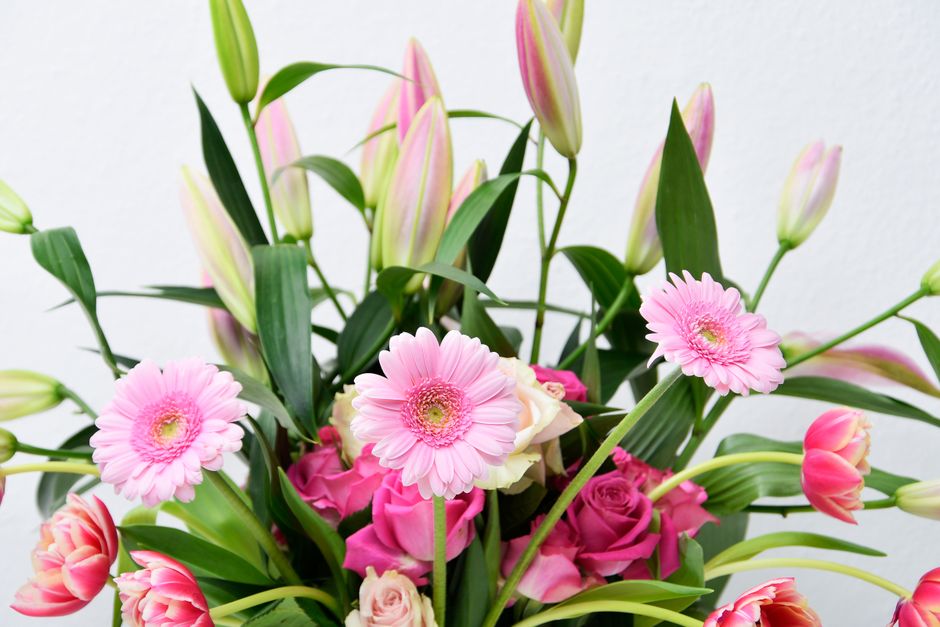
Spring gardening season brings danger to pets in a form many owners overlook: ornamental bulbs. Those gorgeous daffodils, tulips, and other spring flowers people eagerly plant—and that pets sometimes eagerly dig up—contain toxins that can cause serious illness.
The problem is particularly acute because spring planting happens when soil is freshly turned and pets are attracted to newly dug areas. Add to that the fact that bulbs are concentrated sources of toxins, and you have a recipe for poisoning incidents.
The Most Dangerous Spring Bulbs
Daffodils (Narcissus): The most common cause of spring bulb poisoning in pets. All parts are toxic, but the bulb contains the highest concentration of lycorine and other alkaloid compounds. Ingestion causes gastrointestinal upset, drooling, vomiting, diarrhea, abdominal pain, and in severe cases, cardiac arrhythmias, hypotension, and tremors.
Tulips: Particularly the bulbs, which contain cardiac glycosides. Tulip toxicity causes gastrointestinal irritation, excessive drooling, vomiting, diarrhea, and depression.
Lilies (especially Asiatic and Oriental lilies): Catastrophically toxic to cats—even small exposures can cause fatal kidney failure. Dogs are less severely affected but can still develop toxicity. All parts are dangerous; even pollen is toxic.
Hyacinths: Bulbs contain calcium oxalates that irritate mucous membranes. Ingestion causes drooling, vomiting, diarrhea, and oral irritation.
Iris: The rhizomes contain irisin and iriziine. Toxicity causes severe gastrointestinal upset, skin irritation, and depression.
Crocus: Both autumn crocus (Colchicum) and spring crocus (Crocus vernus) are problematic, though autumn crocus is far more toxic. Spring crocus causes mild gastrointestinal upset; autumn crocus can cause serious organ damage.
Gladiolus: The bulbs contain compounds that cause gastrointestinal irritation, hypersalivation, vomiting, and diarrhea.
You Might Also Enjoy
- Creating a Pet-Safe Garden: Plants to Choose and Plants to Avoid
- 10 Common Houseplants That Are Toxic to Dogs and Cats
- Lily Toxicity in Cats: Why These Beautiful Flowers Can Be Deadly
- Sago Palm Toxicity: One of the Most Dangerous Plants for Dogs
Signs of Spring Bulb Toxicity
Symptoms vary by plant and amount ingested but generally include:
- Excessive drooling and foaming at the mouth
- Vomiting
- Diarrhea (sometimes bloody)
- Abdominal pain and distension
- Loss of appetite
- Depression or lethargy
- Tremors or muscle weakness
- Increased heart rate (in some cases)
- Cardiac arrhythmias (with severe daffodil exposure)
Onset can be rapid—symptoms sometimes appearing within 15 minutes to a few hours of ingestion.
Lily toxicity in cats is particularly urgent: Early signs (first 24 hours) are vague—lethargy, loss of appetite, vomiting. By 24-72 hours, acute kidney failure develops. If your cat ingests any part of a lily, this is a veterinary emergency requiring aggressive treatment (IV fluids, kidney support) to have any chance of survival.
Managing Spring Gardens Safely
Barrier methods: The simplest prevention is preventing access. If you're planting bulbs:
- Plant in areas where pets can't dig
- Fence off garden beds with secure barriers
- Use elevated planters or containers where possible
- Consider pet-proof fencing around garden areas
Timing: Plant bulbs when pets won't be supervising, or create temporary barriers while soil is freshly tilled and attractive to diggers.
Storage: Store unused bulbs where pets can't access them. Dogs particularly seem attracted to bulb piles.
Training: Teach "leave it" commands for suspicious items. Work on preventing digging behavior in general.
Supervision: Never leave pets unsupervised in areas where new bulbs have been planted or where existing bulbs are exposed.
Safe Spring Planting Alternatives
If you love spring flowers but want to avoid toxicity risks:
Pet-safe spring flowers:
- Roses (non-toxic, though thorns are a hazard)
- Sunflowers (safe, though large and can cause mild GI upset in large amounts)
- Zinnias
- Snapdragons
- Some peonies
- Gerber daisies
Pet-safe outdoor plants:
- Spider plants (though cats like to chew them)
- Boston ferns
- Areca palm
- Bamboo palm
- African violet
Container gardening: Growing bulbs in pots that you can move indoors or keep out of pet reach solves the problem elegantly. You get your beautiful flowers without the toxicity risk.
What To Do If Your Pet Ingests Bulbs
Contact your veterinarian immediately. Don't wait to see if symptoms develop. Include:
- Which bulb or plant was ingested
- Approximate amount
- How long ago ingestion occurred
- Any symptoms currently present
Inducing vomiting: Your vet might recommend inducing vomiting if ingestion was very recent and the pet is asymptomatic. This is most effective within 2 hours of ingestion.
Supportive care: Treatment is typically supportive—IV fluids, antiemetics, monitoring, and time. Activated charcoal might be given to absorb toxins.
Specific concern with lilies: If your cat ingests lilies, aggressive treatment must begin immediately. Even if symptoms seem mild, kidney failure is developing and requires ICU-level care.
Special Lily Consideration for Cats
I need to emphasize this: cats and lilies are catastrophically incompatible. Lilies—particularly Asiatic and Oriental varieties—are among the most toxic plants for cats. As little as 2-3 leaves or even pollen can cause fatal kidney failure.
If you have cats:
- Don't bring lilies into your home as cut flowers
- Don't plant lilies anywhere near your yard
- Be cautious of lilies in other homes your cat might visit
- Never assume commercial floral arrangements are cat-safe
The Broader Spring Safety Picture
While spring bulbs are a particular concern, spring brings other pet hazards:
Pesticides and fertilizers: Recently applied chemicals are hazardous. Use pet-safe products and keep pets away from recently treated areas.
Mushrooms: Spring mushroom growth in lawns can be toxic. Supervise outdoor time and remove mushrooms promptly.
Snake activity: Warming weather brings snakes out. Monitor for snake presence, particularly in high-risk areas.
Seasonal allergies: Spring pollen affects pets too, causing itching and respiratory issues.
Increased outdoor activity: More outdoor time means more exposure to ticks, fleas, and other parasites.
Final Thoughts
Spring is a gorgeous season—don't let concern about toxins prevent you from enjoying it. But garden thoughtfully around your pets. Choose pet-safe plants when possible. Create barriers around toxic plants. Supervise outdoor time, especially during planting season.
Your beautiful garden can coexist safely with your pets. It just requires awareness and planning.
What's your favorite pet-safe spring flower to plant? Have you had challenges keeping pets away from your garden? Share strategies in the comments.
Sarah Mitchell is a certified pet care specialist and author of Pawprint Journals. She lives in Portland, Oregon with her golden retriever, two rescue cats, and an impressive collection of indoor plants.