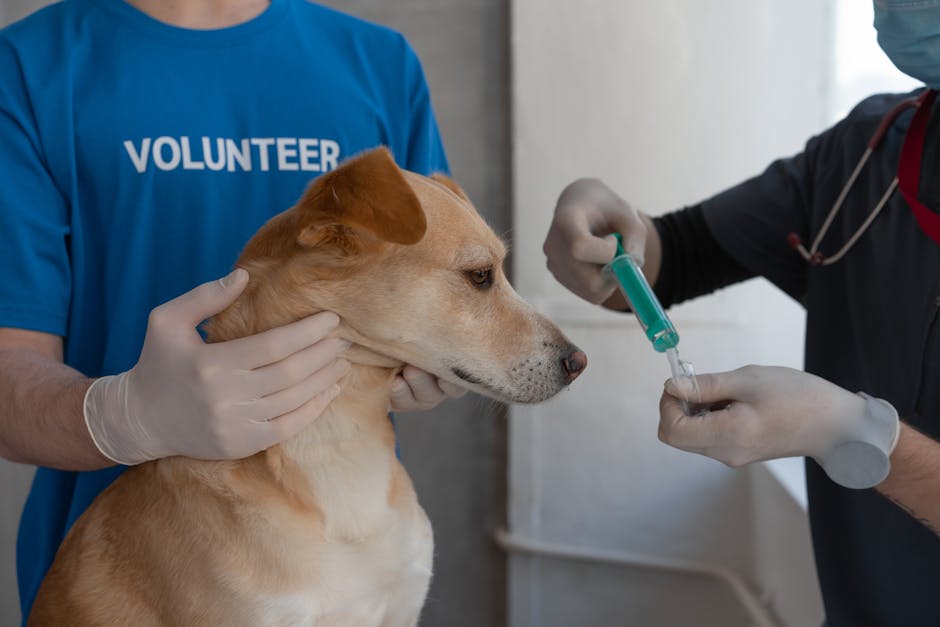
If you've ever discovered a tick on your beloved pup, you know it's not a pleasant experience. These blood-feeding parasites aren't just uncomfortable for your dog—they can transmit serious diseases like Lyme disease, Rocky Mountain spotted fever, and anaplasmosis. The good news? There are plenty of effective prevention options available. But with so many choices on the market, how do you know which one is right for your furry friend?
As someone who's worked with dozens of dog owners over the years, I've learned that the "best" tick prevention really depends on your dog's lifestyle, your location, and your budget. Let's break down the main options so you can make an informed decision.
Understanding Why Tick Prevention Matters
Before diving into the options, let's talk about why tick prevention is so crucial. Ticks don't just cause itching and discomfort—they're vectors for serious pathogens. According to the AKC (American Kennel Club), tick-borne illnesses affect thousands of dogs every year, and some can have long-term health consequences.
The key to protecting your dog is year-round prevention. In most climates, ticks are active from spring through fall, but in warmer regions, they can be a concern even in winter. Your veterinarian can recommend the best timeline for your specific area.
Topical Treatments: The Most Popular Choice
Topical preventatives—often called "spot-on" treatments—are probably the most widely used tick prevention method among dog owners. These liquid formulations are applied directly to your dog's skin, usually between the shoulder blades where they can't lick it off.
How they work: Most modern topical treatments contain insecticides that kill ticks on contact or after they bite. Popular options include fipronil-based products, pyrethroids, and newer formulations like imidacloprid-flumethrin combinations.
Pros:
- Highly effective when applied correctly
- Easy to use once a month
- Relatively affordable
- Many options available over the counter and by prescription
- Often protect against fleas and other parasites simultaneously
Cons:
- Can leave greasy residue on your dog's coat
- Not ideal for dogs that spend lots of time in water
- Some dogs may experience skin irritation at the application site
- Requires remembering to apply monthly
Best for: Dogs with normal skin, those in areas with moderate tick pressure, and owners who prefer monthly applications.
Oral Preventatives: Convenience and Innovation
Oral tick preventatives have revolutionized parasite control in recent years. These tablets or chews work systemically—meaning they circulate through your dog's bloodstream and kill ticks when they feed.
How they work: Products like isoxazolines create a toxic environment for parasites. When a tick bites your dog, it ingests the medication and dies. Some formulations kill ticks within hours, while others take longer.
Pros:
- No messy topical application
- Waterproof and shower-safe
- Very convenient for busy owners
- Can last 6, 12, or even 12 months depending on the product
- No contact between the product and your hands
Cons:
- Generally more expensive than topical treatments
- Prescription required for most options
- Takes time to be effective (ranging from a few hours to days)
- Potential for systemic side effects (though rare)
Best for: Active dogs, those who swim frequently, and owners willing to invest in premium prevention. Also excellent for dogs that resist topical applications.
Tick Collars: The Tech-Forward Option
A newer category of tick prevention, high-tech collars like Seresto have gained popularity for their long-lasting protection. These collars release active ingredients in controlled doses over extended periods.
How they work: Modern tick collars emit gas and volatile compounds that create a protective zone around your dog's head and neck, while also protecting the body through contact.
Pros:
- Last 6-8 months per collar
- No monthly applications needed
- Safe around children and other pets
- Offers continuous protection
- Some also protect against mosquitoes
Cons:
- More expensive upfront
- May look less attractive than traditional collars
- Not all dogs tolerate collars well
- Effectiveness varies by product quality
Best for: Dogs that tolerate collars well and owners seeking a set-it-and-forget-it solution with long-lasting protection.
Natural and Botanical Options: The Cautious Approach
Some dog owners prefer natural tick prevention methods. While these products are appealing, it's important to note that "natural" doesn't automatically mean "safe" or "effective."
Natural options include essential oil-based sprays, diatomaceous earth, and botanical repellents. While some evidence suggests limited effectiveness, these products are generally less potent than prescription alternatives.
Important consideration: Always consult with your veterinarian before using natural products. Some essential oils can be toxic to dogs, and the effectiveness data for natural preventatives is limited compared to conventional options.
Choosing the Right Prevention for Your Dog
Here's how to narrow down your options:
Consider your dog's lifestyle: Does your pup spend hours outdoors? Does she swim regularly? Is he mostly an indoor dog with occasional walks? Water-loving dogs benefit from oral or collar options, while indoor dogs might do fine with topical treatments.
Think about your climate: Dogs in areas with year-round tick activity or those that travel to high-risk regions should have continuous protection. Check with your vet about what's needed in your area.
Factor in your dog's health: Some dogs with specific health conditions may not be good candidates for certain preventatives. Always discuss your dog's medical history with your veterinarian.
Evaluate your commitment: Be honest about your ability to remember monthly applications. If you're forgetful, longer-lasting options might be worth the extra cost.
You Might Also Enjoy
- Common Signs of Dental Disease in Dogs and Cats
- Understanding Pet Vaccinations: Which Ones Your Dog Really Needs
- Allergy Shots for Pets: How Immunotherapy Can Help Your Dog or Cat
- Why Annual Wellness Exams Matter More Than You Think
What Your Veterinarian Recommends
Your veterinarian is your best resource for tick prevention recommendations. They understand your dog's individual health profile, your local parasite situation, and can prescribe the most appropriate treatment. They can also monitor your dog's response to the prevention and adjust as needed.
According to PetMD, regular tick prevention is the most cost-effective way to protect against tick-borne diseases. A single case of Lyme disease can result in thousands of dollars in veterinary bills and months of treatment.
The Bottom Line
There's no one-size-fits-all answer to tick prevention. The best choice depends on your individual circumstances. The most important thing is to choose some form of prevention and use it consistently. Whether you go with a topical treatment, oral preventative, collar, or combination approach, you're taking a crucial step in protecting your dog's health.
Have you found a tick prevention method that works well for your dog? Every dog is different, and what works for your neighbor's pup might not be ideal for yours. Don't hesitate to discuss options with your vet, and remember that switching between products is always an option if something isn't working well.
Your dog depends on you to keep them safe from these pesky parasites. With the variety of options available today, you can find a solution that fits your lifestyle and keeps your furry friend tick-free all year long.
Sarah Mitchell is a pet health writer and dog enthusiast with over a decade of experience researching and writing about canine wellness. When she's not researching the latest in pet care, you can find her hiking with her two rescue dogs.