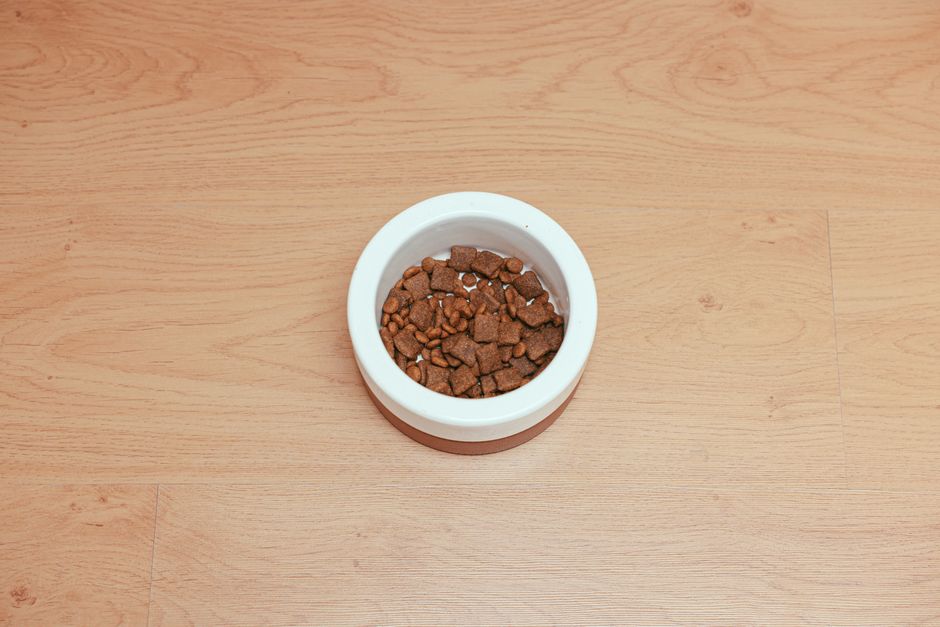
The cat food aisle at my local pet supply store exemplifies the modern pet nutrition paradox. Hundreds of options. Equally convincing marketing on both sides. "Cats need moisture!" says the wet food brand. "Complete nutrition requires the right kibble!" insists the dry food company. Meanwhile, cat owners stand paralyzed by conflicting advice from veterinarians, social media, and well-meaning friends.
After years in veterinary medicine, I can tell you the answer isn't as simple as "wet is better" or "dry is fine." Both have legitimate advantages and disadvantages. Understanding these helps you make the best choice for your specific cat.
The Hydration Argument: Why Wet Food Wins Here
This is the strongest argument for wet food, and it's scientifically supported. Cats are obligate carnivores who evolved eating prey that was roughly 70% water. Their thirst drive evolved accordingly—they're not naturally inclined to seek out water and drink large amounts from a bowl.
Most house cats are chronically mildly dehydrated. Studies show that cats eating primarily dry food consume significantly less total water than cats eating wet food. This matters for several reasons:
Kidney Health
Chronic mild dehydration puts stress on the kidneys. While healthy kidneys can manage, this becomes problematic as cats age. Cats with existing kidney disease especially benefit from the increased hydration that wet food provides. Many cats with chronic kidney disease can manage longer with higher moisture intake.
Urinary Health
Lower urine concentration (which results from better hydration) is associated with lower rates of urinary tract problems and lower risk of feline idiopathic cystitis (FIC), a painful condition affecting many cats.
Dental Health Claims (Which Are Misunderstood)
You've probably heard that dry food is "good for teeth" because kibble requires chewing. This is partially true but often overstated. While wet food doesn't provide mechanical cleaning, the relationship between dry food and dental health is more complex than "chewing cleans teeth."
Research shows that many cats don't adequately chew kibble—they often swallow it whole. Additionally, dental disease in cats is driven more by genetics, breed, and age than by diet type. A cat with genetically poor dental health will have problems regardless of whether they eat wet or dry food.
That said, a cat that actually chews kibble does get some mechanical benefit. The issue is that you can't guarantee your cat will chew rather than swallow whole.
You Might Also Enjoy
- Homemade Cat Food: A Beginner's Guide to Balanced Recipes
- Why Your Cat Is a Picky Eater and What to Do About It
- The Best Foods for Senior Dogs: Nutrition After Age Seven
- Can Cats Eat Onions? Why Alliums Are Toxic to Felines
The Nutrition Debate: It's More Complicated Than You Think
Both wet and dry foods can provide complete, balanced nutrition. What varies is:
Protein Content
Quality wet foods often have higher protein content than dry foods, partly because the moisture allows for better nutrient concentration. However, the best dry foods can also provide excellent protein levels. Read the label and compare.
Fat Content and Palatability
Wet foods often have higher fat content, which many cats prefer (and which contributes to the palatability advantage). Cats are attracted to the smell, texture, and taste of wet food more than dry food. This is simply how cats' sensory systems work.
Processing and Nutrient Density
Dry foods are more calorie-dense than wet foods. This matters for portion control—a smaller amount of dry food provides more calories than an equivalent weight of wet food. For some cats (especially those prone to obesity), this is important to track.
Micronutrient Profiles
Quality matters enormously, regardless of wet or dry. A premium wet food might have better-balanced micronutrients than a budget dry food, and vice versa. Look for foods meeting AAFCO standards and, ideally, formulated by veterinary nutritionists.
The Practical Considerations
Beyond science, there are real-world factors to consider:
Cost
This is often the deciding factor for many households. Quality wet food is typically more expensive per serving than dry food. A household budget might make wet food impractical as the sole diet, though mixing is an option.
Storage and Waste
Unopened dry food stores longer. Once opened, dry food lasts weeks; opened wet food spoils within 24-48 hours. For single-cat households, this can mean waste.
Convenience
Feeding dry food involves less daily management—scoop, serve, done. Wet food requires opening cans/pouches, potentially warming (some cats prefer warm food), and cleaning bowls more frequently because wet food dries and hardens if left out.
Feeding Control
Dry food portions are easy to measure and track. Wet food portions vary by product and consistency, making calorie tracking slightly more challenging.
Environmental Impact
Wet food packaging (metal cans, plastic-lined pouches) generates more waste than dry food packaging. For environmentally conscious owners, this is worth considering.
The Best Approach for Most Cats
Based on the evidence and practical considerations, here's what I typically recommend:
Option 1: High-Moisture Diet (Optimal But Not Always Feasible)
Mostly wet food supplemented with strategic dry food: Feed quality wet food as the primary diet (70-80% of intake), with a small amount of high-quality dry food (20-30%). This provides the hydration benefits of wet food while reducing cost and providing some of dry food's convenience.
Option 2: Primarily Dry With Supplemental Wet (Practical Compromise)
Mostly dry food supplemented with wet food: Some quality dry food with regular wet food meals (even just a few times weekly). This keeps costs reasonable while improving overall hydration compared to all-dry diets.
Option 3: High-Quality Dry Food With Adequate Water Access (If Wet Food Isn't Feasible)
If budget constraints make wet food impractical, choose a high-quality dry food and ensure your cat has constant access to fresh water. Consider adding a cat water fountain—many cats drink more from moving water. Some evidence suggests this approach can still support kidney health if the dry food is high-quality and the cat's water intake is adequate.
Special Considerations for Specific Situations
Cats with Kidney Disease or Chronic Illness
Wet food is strongly recommended. The increased hydration supports kidney function. Many prescription wet foods for kidney disease are formulated specifically to support failing kidneys.
Cats with Dental Disease
If your cat has significant dental disease and pain, wet food is preferable. They can eat without discomfort. The idea that they need kibble to "clean their teeth" shouldn't force a cat to suffer trying to chew.
Obese Cats
Monitor portions carefully. It's easy to overfeed wet food because it looks abundant but is calorie-lighter than kibble. Work with your vet on appropriate portions.
Picky Cats
Wet food is usually more appealing. If your cat refuses to eat, the nutritional content is irrelevant. Start with highly palatable wet food options, then gradually introduce other foods if desired.
Older Cats
As cats age, kidney health becomes increasingly important. Increasing wet food proportion supports long-term health. Additionally, older cats might have dental problems or diminished senses, making wet food easier and more appetizing.
Quality Matters More Than Wet vs. Dry
Regardless of wet or dry, prioritize quality:
- Look for AAFCO certification stating the food is "complete and balanced" for your cat's life stage
- Check the ingredient list for recognizable protein sources
- Consider foods formulated by veterinary nutritionists, particularly if your cat has health issues
- Avoid excessive fillers and by-products in budget foods
A premium dry food is better than a low-quality wet food, though the ideal is a premium wet or mixed diet.
The Bottom Line
The scientific evidence supports increased moisture in cats' diets. Cats evolved eating high-moisture prey, and our domestic cats benefit from this. If feasible, incorporate wet food into your cat's diet, even if it's not the sole diet.
However, a high-quality dry food with proper water access and good cat-husbandry practices can also support feline health. The key is:
- Choose quality foods, regardless of format
- Ensure adequate hydration (wet food helps, but water access matters too)
- Monitor your cat's weight, urinary health, and overall condition
- Adjust as needed based on your cat's individual response and your household situation
Your cat's health matters more than the purity of choosing exclusively one type. A practical combination that your cat will actually eat and that fits your budget and lifestyle is better than an ideal diet that never happens.
Talk with your veterinarian about your specific cat's needs, health status, and the best dietary approach for them individually.
References