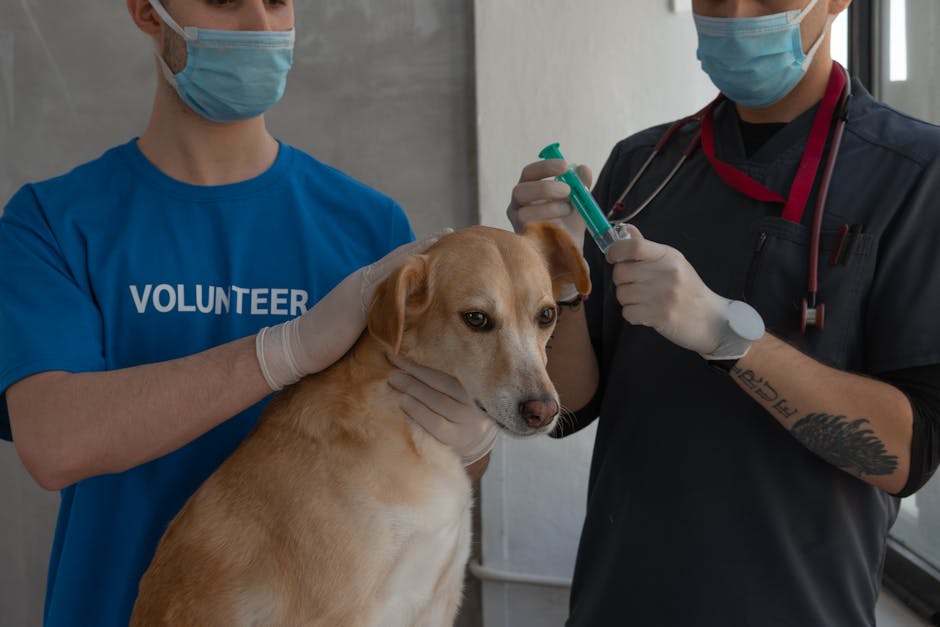
I recommended a dermatology referral to a client whose dog had been dealing with chronic itching and skin infections for three years. The dog had seen the regular vet countless times. They'd tried different foods, medications, shampoos, and supplements. The owner looked at me with a mixture of relief and guilt. "I didn't know I could do that," she said. "I thought this was just something we had to live with."
This conversation happens repeatedly in my practice. Many pet owners don't realize that specialty veterinary medicine exists for pets, or that a dermatologist can transform the life of a pet with chronic skin problems. The guilt is unnecessary—nobody expects you to know when to escalate care. But understanding when to see a specialist is crucial for your pet's quality of life and your financial wellbeing.
Understanding Veterinary Dermatology
First, let's clarify what a veterinary dermatologist is. These are licensed veterinarians who've completed additional training in veterinary dermatology. In the United States, board-certified dermatologists have completed residency training and passed board certification through the American College of Veterinary Dermatology (ACVD). This training typically takes 3-4 years beyond veterinary school.
Dermatologists bring specialized diagnostic tools, deep knowledge of skin diseases, and experience managing complex cases that general practitioners see less frequently.
Why General Vets Sometimes Miss or Mismanage Allergies
This isn't a criticism of general practitioners—they're managing a broad range of medical conditions and can't be expert in everything. But here's why dermatology referrals help:
Diagnostic Limitations: Diagnosing the cause of chronic itching is legitimately difficult. Dogs can itch from food allergies, environmental allergies, parasites, infections, behavioral issues, or combinations of all of these. A general vet might treat the symptoms (infections, inflammation) without identifying the underlying cause.
Allergy Testing Complexities: Intradermal and serum allergy tests require interpretation skill. A positive test doesn't necessarily mean that allergen is causing the problem. A negative test doesn't rule out allergies. This is where specialist training matters.
Treatment Escalation: General vets often manage allergies with standard treatments (antihistamines, NSAIDs, steroids). When these don't work, many don't know what the next step is. Dermatologists know about immunotherapy, monoclonal antibody treatments, specialized diets, and other advanced options.
Infection Management: Chronic itching often leads to secondary infections. A pet might have excellent allergy management but ongoing infections from poor wound care. Dermatologists understand this cycle and break it.
You Might Also Enjoy
- How Veterinary Allergy Testing Works for Dogs and Cats
- Allergy Shots for Pets: How Immunotherapy Can Help Your Dog or Cat
- The Most Common Food Allergies in Cats and How to Identify Them
- Dog Breeds Most Prone to Skin Allergies: A Comprehensive Guide
Red Flags That Suggest You Need a Dermatologist
1. Year-Round Itching Despite Treatment
If your pet itches constantly, year-round, that suggests environmental or food allergies rather than seasonal allergies. Dermatologists excel at managing these chronic conditions.
2. Multiple Failed Treatment Attempts
If you've tried:
- Several different dog foods or elimination diets without success
- Multiple antihistamines or doses
- Repeated courses of steroids (especially concerning given steroid side effects)
- Various medicated shampoos without improvement
A dermatologist might identify something your previous vets missed or suggest more advanced treatment options.
3. Secondary Infections You Can't Prevent
Chronic itching leading to recurrent ear infections, skin infections, or fungal infections suggests the underlying itch isn't being controlled. Once a dermatologist resolves the itch, the infections often stop recurring.
4. Signs of Steroid Overuse or Complications
If your pet is:
- Requiring frequent or high-dose steroid treatments
- Showing steroid side effects (excessive drinking, urination, weight gain, panting)
- Still itching despite steroids
A dermatologist can help you transition away from long-term steroids toward safer alternatives.
5. Suspected Food Allergy You Can't Identify
If you suspect food allergies but haven't successfully identified the trigger, a dermatologist can guide you through a proper elimination diet or discuss other diagnostic approaches.
6. Itching That's Affecting Quality of Life
If your pet's itching is causing:
- Sleep disruption
- Behavioral changes (irritability, aggression)
- Self-injury (raw, bleeding skin from scratching)
- Apparent pain or distress
It's time for specialist intervention. Your pet doesn't have to live uncomfortably.
7. Persistent Itching Without Obvious Cause
If your vet has ruled out parasites and infections but the itching continues without a clear diagnosis, a dermatologist's diagnostic approach might identify the problem.
What to Expect at a Dermatology Appointment
Understanding what a dermatologist does differently helps you appreciate the value of the referral.
Comprehensive History
Dermatologists ask detailed questions about:
- When itching started and how it's progressed
- Whether it's seasonal or year-round
- Which body areas are affected (this provides clues about the cause)
- Previous treatments and responses
- Diet history and any food changes
- Environmental factors (new home, moving to new climate, new pets)
- Previous medical history
This history often provides diagnostic clues.
Thorough Physical Examination
A dermatologist's skin exam is more detailed than a standard vet exam. They're looking for:
- Distribution of lesions (ears, paws, face, belly—each suggests different causes)
- Type of lesions (pustules, scales, lichenification, erosions)
- Signs of self-trauma
- Secondary infections
- Distribution patterns that suggest parasites, fungal infection, or allergies
Diagnostic Testing
Dermatologists might recommend:
Skin Scrapings and Fungal Cultures: To check for mites and fungal infections. A general vet might do this, but dermatologists are more skilled at identifying parasites and knowing which tests to use.
Allergy Testing: Either intradermal testing (where allergens are injected into the skin and reactions are observed) or serum testing (blood-based). Dermatologists interpret these results in context of the patient's history and clinical signs.
Elimination Diet: A properly managed elimination diet is the gold standard for food allergy diagnosis. Dermatologists understand how to do this correctly—which typically takes 8-12 weeks with a limited ingredient diet.
Biopsy: In some cases, a skin biopsy helps diagnose conditions like autoimmune diseases or certain infections.
Treatment Plan
Based on their findings, dermatologists develop comprehensive treatment plans that might include:
Immunotherapy (Allergy Shots): This involves regular injections of the specific allergens your pet reacts to, gradually desensitizing their immune system. It takes months to be effective but has success rates of 60-80% and allows many pets to discontinue other medications.
Monoclonal Antibody Treatments: Medications like apoquel (oclacitinib) or Cytopoint (lokivetmab) target specific parts of the itch pathway. These are expensive but often transformative for severe allergies.
Prescription Diets: Some diets are specifically formulated for allergic dogs. A dermatologist understands which ones might help your specific pet.
Environmental Management: Advice on reducing allergen exposure, bathing protocols, and home modifications.
Long-Term Management Plan: Rather than treating acute flare-ups, dermatologists establish comprehensive strategies to manage the chronic condition with minimal medication.
Cost Considerations
Dermatology referrals cost money. A typical consultation might run $200-500, with diagnostics potentially adding $200-1000 or more. This seems like a significant expense until you consider:
- Years of failed treatments at the general vet
- Secondary infections requiring repeated antibiotic courses
- Steroid medications with long-term side effects
- The quality of life improvement for your pet
- The reduction in emergency visits for infected skin
Many pets see dramatic improvement after dermatology consultation, actually reducing overall vet costs long-term.
Finding and Accessing a Dermatologist
Referral from Your General Vet: Ask your vet for a referral to a board-certified dermatologist. Most general vets have relationships with local specialists and can provide referrals.
Board Certified Verification: Look for dermatologists board-certified by the American College of Veterinary Dermatology. You can verify this on the ACVD website.
Location and Accessibility: Many dermatologists practice at specialty or emergency clinics in larger cities. Depending on your location, you might need to travel for care.
Telemedicine Options: Some dermatologists offer virtual consultations for follow-ups, though initial visits typically require in-person examination.
What You Should Bring to Your Appointment
- Complete medical records from your general vet
- Photos of the skin condition (especially if it's improved since the problem started)
- Detailed notes about what treatments you've tried and responses
- Information about diet history
- Any skin samples or cultures from previous testing
The Bottom Line
If your pet's allergies aren't improving with standard veterinary care, or if you're using frequent medications without addressing the underlying cause, a dermatology referral isn't a luxury—it's appropriate medical escalation. Your pet might be living with chronic discomfort that a specialist can significantly improve.
The guilt some owners feel ("I should have known to try this sooner") is unnecessary. You're doing something amazing by seeking help when standard approaches don't work. Your dermatologist will appreciate receiving a pet that's been thoroughly evaluated by a general vet, even if that initial management wasn't successful.
Chronic skin disease in pets is manageable, often treatable, and sometimes even curable once the underlying cause is identified. Your dermatologist is trained to find what your general vet missed and implement treatments you didn't know existed.
Your itchy dog or cat deserves specialist care. Don't hesitate to ask for a referral.
References