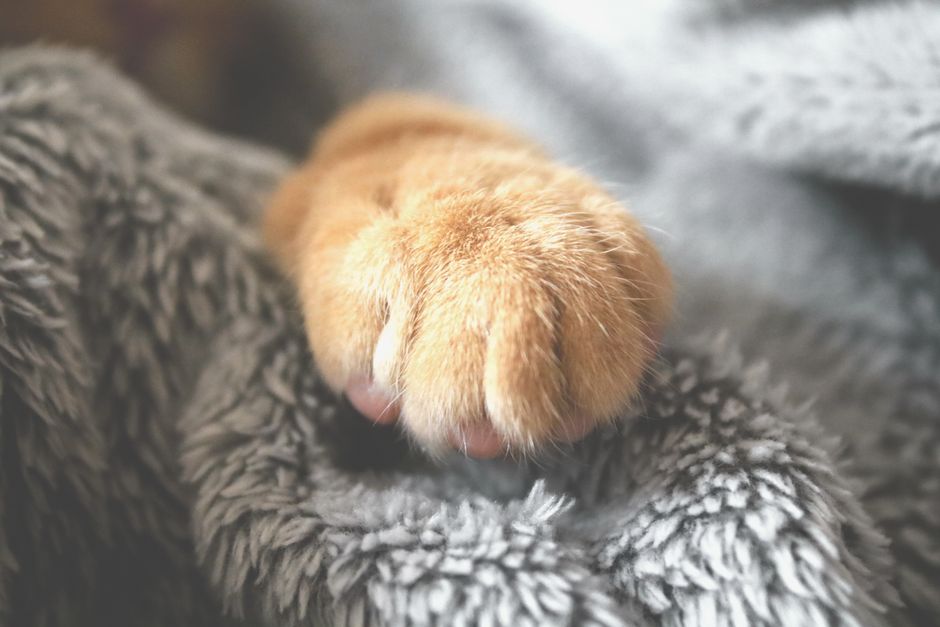
You're sitting on the couch, scrolling through your phone, when your cat hops into your lap and starts making that adorable rhythmic pushing motion with their paws. Front paw, back paw, front paw, back paw—back and forth in perfect synchronization. Some cat parents call it "making biscuits," others describe it as "kneading dough," and honestly, it's one of the most endearing cat behaviors you'll ever witness. But what's actually going on in that fuzzy little head? Why do cats knead?
The answer is more fascinating than you might think, and understanding this behavior gives you incredible insight into your cat's emotional world and physical needs.
The Origin: A Behavior from Kittenhood
To understand why adult cats knead, we need to rewind to the beginning of a kitten's life. When kittens are born, they're completely dependent on their mother for nutrition and survival. Within hours of birth, kittens begin nursing from their mother, and as they feed, they naturally knead their mother's mammary glands. This kneading serves a functional purpose: it stimulates milk production and helps the kitten get a better position at the teat.
The rhythmic paw motion combined with the occasional push of the hind legs helps the mother cat's milk let down, making feeding more efficient. Kittens knead instinctively without any learning or coaching—it's entirely hardwired into their DNA as a survival mechanism.
Why Adult Cats Continue This Behavior
Here's the remarkable thing: even after kittens are weaned and no longer need their mother's milk, they continue kneading throughout their entire lives. This is one of the most telling examples of how deeply ingrained maternal behaviors are in cats, and it tells us something profound about what kneading means to adult cats.
When your cat kneads you, on some level, they're experiencing the same comfort and security they felt as a nursing kitten. They've essentially transferred that maternal bonding behavior onto you. This is a form of positive association—your cat's brain releases oxytocin (sometimes called the "bonding hormone" or "love hormone") during kneading, creating a warm, fuzzy feeling of contentment and security.
Researchers at Oregon State University have found that cats display consistent personality traits, and kneading frequency can correlate with how secure and attached a cat feels to their human. Cats that were socialized well with humans as kittens tend to knead more frequently in adulthood.
When and Where Cats Knead
On You (or Other Cats) The most common scenario is when your cat kneads on you while sitting on your lap. This is the ultimate compliment in cat language. Your cat is essentially saying, "You are my safe person. You make me feel like I'm being cared for." Some cats knead on soft blankets, pillows, or even on other cats they're bonded with.
On Soft Surfaces Cats frequently knead blankets, cushions, beds, and other soft materials. Some behaviorists theorize this might be related to preparing nesting areas, an instinct that surfaces even though domestic cats don't need to create nests. This could harken back to ancestral behaviors when cats needed to create comfortable spaces for themselves or their young.
During Sleep or Relaxation You'll often notice your cat kneading right before they settle down for a nap or when they're in a deeply relaxed state. The behavior seems to help them transition into sleep mode, almost like a bedtime ritual that helps them decompress.
When Anxious or Overstimulated Interestingly, some cats knead when they're stressed or overstimulated. In these cases, the behavior functions as a self-soothing mechanism. It's like how humans might rock back and forth or tap their fingers—the rhythmic motion is calming to their nervous system.
The Physical Sensations Involved
When your cat kneads, several things are happening physically:
Paw Pad Contact Cats have scent glands in their paw pads. Every time your cat kneads you, they're actually depositing their scent onto you through these glands. This is marking behavior—they're claiming you as "theirs" and marking their territory. This contributes to their sense of security and ownership, much like how humans might appreciate wearing clothes with a loved one's perfume.
Muscle Movement The kneading motion engages the muscles in the cat's chest, shoulders, and legs. Regular kneading likely provides a mild form of stretching and muscle engagement, particularly helpful for indoor cats that don't get as much natural exercise.
Claw Extension and Retraction While most cats retract their claws while kneading (ideally!), some let their claws extend slightly. This could serve a dual purpose: stimulating muscle engagement and, historically, helping to properly position themselves for nursing. This is why some kneading cats can be slightly painful to have on your lap—those extended claws are unintentional side effects of an ancient behavior.
What Kneading Tells You About Your Cat's Mental State
The frequency and intensity of kneading can give you valuable information about your cat's emotional state:
Frequent, Intense Kneading A cat that kneads frequently and enthusiastically is likely in a deeply content, happy state. They trust you completely and feel secure. Some cats are just more "vocal" about their affection through kneading than others—it's part of their personality.
Occasional or Gentle Kneading Cats that knead occasionally are still showing affection, just perhaps in a more reserved way. Some cat breeds and individual personalities are simply more physically demonstrative than others. A reserved cat's occasional knead might mean just as much as a chatterbox cat's constant kneading.
Kneading During Stress If your cat is kneading during obviously stressful situations (like at the vet's office or during a car ride), they're trying to self-soothe. This is actually a good sign—it means your cat has developed a coping mechanism. However, you should still address the underlying stressor if possible.
Sudden Changes in Kneading Behavior If your cat suddenly starts kneading much more frequently or stops kneading altogether, it could indicate a change in their physical or emotional state. Increased kneading might indicate anxiety or stress, while a complete cessation might warrant a vet check to rule out pain or illness.
Common Questions About Cat Kneading
Why do some cats knead and not others? While kneading is an instinctive behavior, not all cats knead with the same frequency. This has to do with individual personality, early socialization, and genetics. Cats that were socialized well with humans as kittens tend to knead more. Additionally, some cats simply have more reserved personalities and express affection differently—through head bunting, slow blinks, or simply staying near you.
Why do cats sometimes drool while kneading? Drooling during kneading is a sign of extreme relaxation and contentment. A cat is essentially so relaxed and in such a state of bliss that their normal muscle control around the mouth relaxes, causing drool to escape. This is actually the highest compliment a cat can pay you—they're so comfortable they've completely let their guard down.
Can cats knead too much? Excessive kneading, particularly if accompanied by other behavioral changes, could indicate anxiety. If your cat suddenly starts kneading constantly or obsessively, consult with your veterinarian or a feline behaviorist to rule out medical or behavioral issues.
How can I encourage kneading if my cat doesn't do it much? You can't really force kneading, but you can create conditions that encourage it: ensure your cat feels safe and secure, spend calm quality time together, and avoid overstimulation. Cats knead when they feel loved and secure—if your cat doesn't knead, they might simply be showing affection in other ways.
The Science Behind the Behavior
Researchers studying feline behavior have identified that kneading is linked to the activation of the cat's reward pathways in the brain. When a cat kneads and simultaneously experiences your affection, their brain reinforces the behavior as something positive. This is why cats often seek out opportunities to knead—it literally makes them feel good.
The behavior also connects to territorial and nesting behaviors. Even though domestic cats no longer need to create nests or prepare maternal spaces, these ancient instincts remain dormant in their nervous systems, occasionally surfacing as kneading.
Responding to Your Kneading Cat
The best response to a kneading cat is to let them continue and reciprocate their affection. Gentle stroking, soft talking, or simply allowing them to sit on your lap reinforces their sense of security. If the claws are bothersome, you can gently place a blanket on your lap (which also provides a softer surface for them to knead) or trim your cat's nails regularly.
Some people find kneading annoying, especially if their cat's claws are sharp or if they're in a hurry. If your cat kneads on you and you need to move, do so gently. Abruptly pushing away a kneading cat might send the wrong message about your affection.
You Might Also Enjoy
- Cat Vocalizations Decoded: What Meows, Chirps, and Hisses Mean
- Why Your Cat Brings You Dead Animals (And How to Respond)
- Why Do Cats Purr? The Science Behind Your Cat's Motor
- Behavioral Changes That Signal Your Pet Might Be Sick
Sources:
- Oregon State University. (2019). "Cats have three times more neurons in their cortex than dogs." Department of Animal Sciences
- ASPCA. "Understanding Cat Behavior and Vocalizations." Retrieved from aspca.org
- International Society of Feline Medicine. (2023). "Feline Behavior: Communication and Emotional Expression."