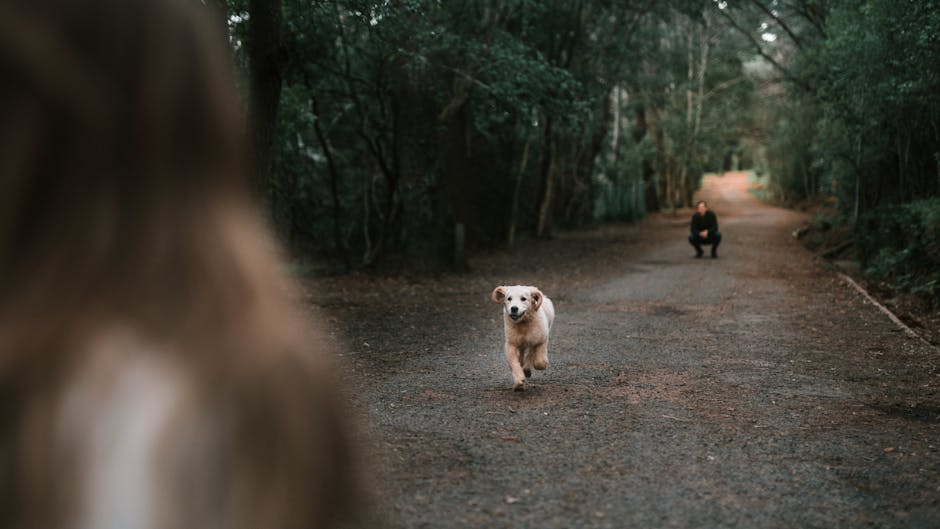
My current dog Max follows me everywhere. Into the kitchen, to the bathroom, between rooms, outside. If I leave his line of sight, he notices. He's not destructive, not anxious, just... always there. A velcro dog, as the saying goes.
It took me years to accept that this is just how some dogs are wired. I used to interpret it as neediness or attachment anxiety. Now I understand it as a natural variation in canine temperament, often reflecting breed tendencies, early socialization, and personality.
But the question owners ask is important: Is my velcro dog exhibiting normal behavior, or does this indicate a problem?
Why Dogs Become Velcro
The reasons vary, and most are completely normal:
Pack Mentality and Social Bonding
Dogs are social animals that evolved in packs. Staying near group members is survival instinct. For many dogs, their humans are their pack, and staying close is natural and comforting.
Some dogs have stronger pack-drive genetics. Herding breeds, for example, were selected for behaviors like circling and staying near their "herd." That same genetics makes modern herding dogs more likely to follow their owners constantly—it's in their DNA.
Early Learning and Conditioning
If a puppy learns that staying near their owner equals good things (attention, treats, play), they develop a pattern of proximity-seeking. If you consistently reward your dog for following you with attention or treats, you're reinforcing the behavior.
Conversely, dogs that were regularly punished for leaving their owner's side or trained heavily on heeling might develop stronger follow-close behaviors.
Secure Attachment
Securely attached dogs use their owners as a "secure base"—they explore, but check in periodically and stay generally nearby. This is healthy. A velcro dog often has this secure attachment, just more extreme.
Routine and Habit
Over time, following their owner simply becomes habit. The dog's day organizes around the owner's location. They learn your schedule, wake-up time, when you typically get home, and orient their day around you.
Comfort and Anxiety Management
Some dogs follow their owners specifically to manage anxiety. Being near the owner is calming. Dogs with mild to moderate anxiety often exhibit this behavior without developing clinical separation anxiety.
Past Trauma or Insecurity
Dogs from neglectful situations sometimes become velcro dogs—they struggled to stay near their caretaker (because no one was there), and once in a secure home, they don't want to risk losing their person again.
You Might Also Enjoy
- Dog Body Language 101: Reading What Your Dog Is Really Saying
- Separation Anxiety in Dogs: Signs, Causes, and How to Help
- Why Do Dogs Eat Grass? Vets Explain the Surprising Reasons
- Allergy Shots for Pets: How Immunotherapy Can Help Your Dog or Cat
Breed Predisposition
Some breeds are more likely to be velcro dogs:
Higher Predisposition:
- Herding breeds (Australian Shepherds, Border Collies, German Shepherds)
- Sporting breeds (Labs, Spaniels—bred to work closely with handlers)
- Toy breeds (small dogs often develop strong owner-orientation)
- Brachycephalic breeds (Bulldogs, Pugs—often prefer staying close to owners)
Lower Predisposition:
- Sighthounds (more independent, bred to hunt alone)
- Primitive breeds (more aloof)
- Some working breeds bred for independent decision-making (Huskies, Malamutes)
Breed predisposition isn't destiny, but it influences tendency. A Border Collie is more likely to be a velcro dog than an Afghan Hound.
Is Your Velcro Dog Normal?
Most velcro dogs are perfectly normal. How do you tell if this is just your dog's personality or a sign of a problem?
Signs This Is Normal Velcro Behavior
- Your dog follows you but relaxes when you're in the same room
- They don't panic if you close a door (they wait or go do something else)
- They're calm when you leave, even if they wanted to follow
- They engage in play and exploration when you're present
- They don't show stress behaviors when you're out of sight
- They sleep independently sometimes, not always touching you
- This behavior is consistent (not a recent change)
Signs This Might Indicate Separation Anxiety
- Panic when you're out of sight (excessive whining, pacing)
- Destructiveness specifically when you leave
- House-soiling when alone
- Excessive salivation or panting when you prepare to leave
- Following you obsessively and showing distress if separated
- Rapid behavior change (velcro behavior suddenly appearing)
If your dog shows these signs, separation anxiety might be the issue, not just normal velcro behavior.
Managing Velcro Dog Behavior
If you're okay with your dog's closeness, no management is necessary. But some owners want more independence for their dog (or themselves).
Building Comfort with Separation
Graduated separation: Practice leaving your dog in one room while you're in another for increasing periods. Start with 30 seconds, gradually extend.
Use natural separations: When you naturally separate (closing a door to shower), notice how your dog reacts. Most velcro dogs handle this fine.
Create independent activities: Provide puzzle toys, chews, or enrichment that encourages independent engagement while you're home.
Reward independence: When your dog chooses to be in another room or pursues independent activity, reward with quiet praise or treats.
Avoid reinforcement: Don't reward following behavior by giving treats or attention specifically for being close. Reward them being relaxed in the room while you're doing other things.
What NOT to Do
- Don't punish following behavior (it increases anxiety)
- Don't force separation with harsh training
- Don't isolate the dog to teach independence (increases anxiety)
- Don't make a big deal of leaving ("bye-bye, I'm leaving" increases anxiety)
The goal is making independence feel naturally rewarding, not forced.
Accepting Your Velcro Dog
Many owners find velcro behavior charming. Your dog's devotion is genuine. They choose to be near you. Some owners feel genuinely valued by this constant proximity.
If this describes you, lean into it. Your dog isn't broken or anxious—they're just bonded. Let them follow. The worst outcome is tripping over your devoted companion.
Some questions to ask yourself:
- Is your dog's well-being compromised by this behavior?
- Does the behavior truly bother you, or have you been told it should?
- Could this actually be serving your dog's emotional needs?
If all your answers are "no, I'm okay with it," you don't need to change anything.
When Following Behavior Changes
If your velcro dog suddenly stops following you, or develops new anxiety around separation after not having it, this is worth investigating:
Possible causes:
- Pain or illness making movement uncomfortable
- Cognitive decline (older dogs sometimes become less oriented to owners)
- Fear or trauma
- Hormonal changes (spaying/neutering can affect attachment behaviors)
- Environmental changes
A sudden change in baseline behavior warrants a vet check to rule out medical issues.
The Comfort of Velcro
Max following me everywhere used to feel clingy. Now I recognize it for what it is: his temperament. He was born with herding breed genetics that predispose him toward staying close. His secure attachment makes him comfortable being near me. This isn't pathological—it's who he is.
Some days when I'd prefer independence, his constant presence is inconvenient. But I've learned to appreciate it. He'll only be here for a limited time. His devotion is something I can't get back once he's gone.
The velcro dog isn't broken. They're just optimized for closeness with their person. And for many of us, that's not something to fix—it's something to embrace.
References