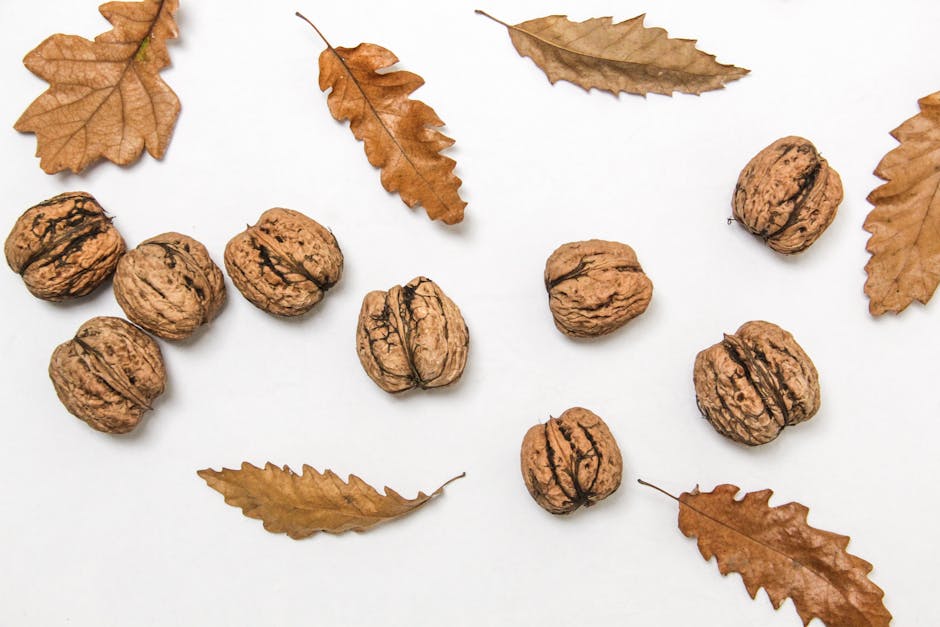
Black Walnut Trees and Dogs: Understanding the Toxicity Risk
Black walnut trees produce nuts and hulls that are toxic to dogs. If you have one in your yard, here's what you need to watch for.
Read more →Common yard and neighborhood trees that pose risks to pets.
Black walnut trees produce nuts and hulls that are toxic to dogs. If you have one in your yard, here's what you need to watch for.
Read more →
Acorns contain tannins that can cause kidney damage and gastrointestinal distress in dogs. Fall cleanup matters more than you think.
Read more →
Nearly every part of the yew tree is lethal to pets. A single mouthful of needles can cause fatal cardiac arrest in dogs and cats.
Read more →
Cherry trees contain cyanogenic glycosides in their pits, bark, and wilting leaves. Here's how to manage the risk if one grows nearby.
Read more →
Pine needles, sap, and tree water all present potential hazards for pets during the holiday season. Take these precautions.
Read more →
Chinaberry trees produce attractive berries that are highly toxic to dogs, cats, and other animals. Know the signs of poisoning.
Read more →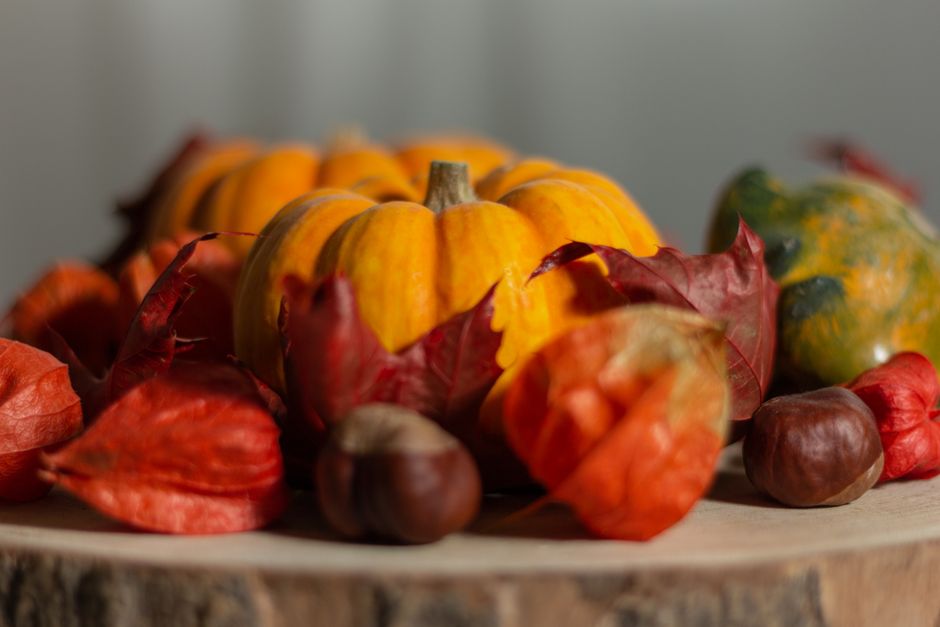
Not all chestnuts are created equal. Horse chestnuts (conkers) are toxic while sweet chestnuts are generally safe. Learn to tell them apart.
Read more →
Apple flesh is fine for dogs, but the seeds, stems, and leaves of apple trees contain compounds that release cyanide when chewed.
Read more →
Planning a pet-safe landscape? These tree varieties offer shade and beauty without posing toxicity risks to your animals.
Read more →
Dogs love snatching fallen mulberries, but should they? The answer is mostly reassuring — with a few important caveats.
Read more →